Author: Eldon Fairbanks - Page 5

Adult Fantasy and Erotica: Understanding 18+ Book Genres
Wondering what 18+ books are called? From Adult Fiction and New Adult to Romantasy and Erotica, we break down the genres and labels used for mature reading.

What Are Dominant Cultural Narratives? Understanding Societal Stories
Explore what dominant cultural narratives are, how they shape your identity, and where these powerful societal stories originate in modern life.

Can You Use Real People in Historical Fiction? A Writer’s Guide to Accuracy and Ethics
Learn the rules for writing historical fiction featuring real people. Covers legal risks, ethical research, creative license limits, and how to balance fact with fiction.
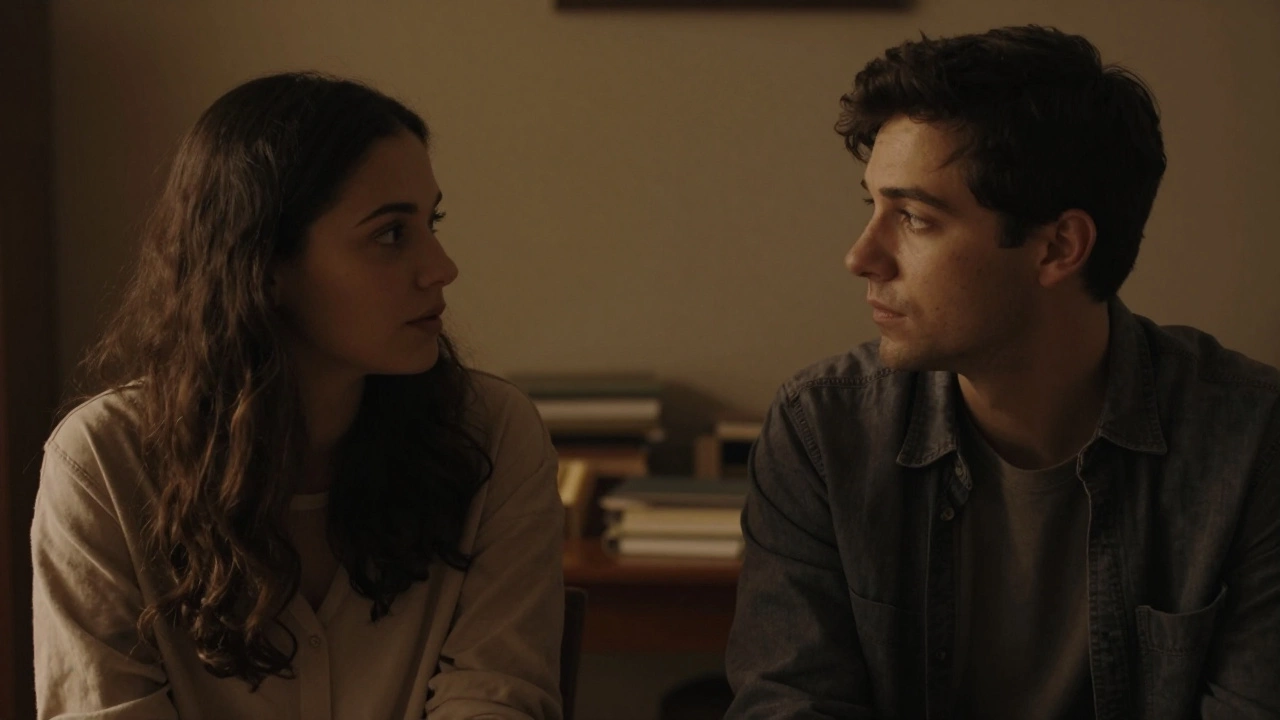
Does Literary Fiction Have Dialogue? Understanding Dialogue in Literary Fiction
Yes, literary fiction has dialogue, but it functions differently than in genre fiction. Learn how dialogue reveals character depth, explores themes, and creates subtext in literary novels.
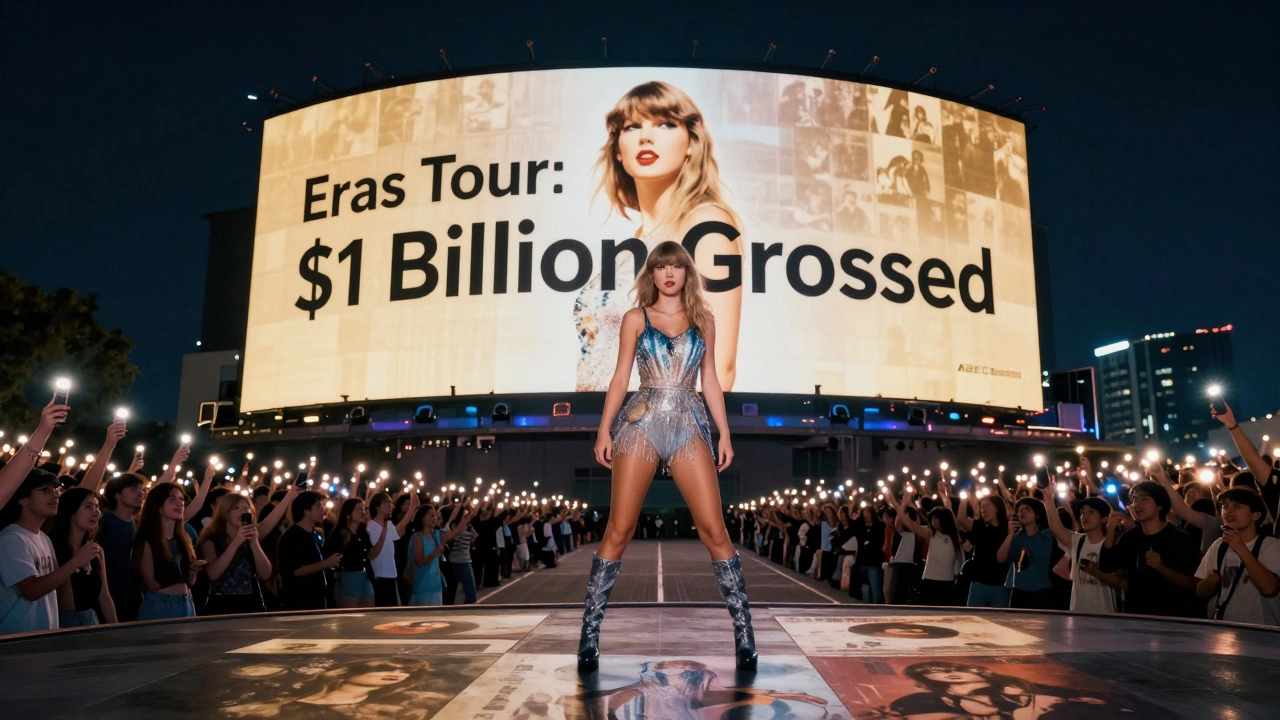
Is Taylor Swift a Billionaire? The Real Numbers Behind Her Wealth
Taylor Swift is not yet officially a billionaire, but her $980 million net worth puts her within striking distance. Her wealth comes from re-recorded albums, record-breaking tours, songwriting royalties, and smart business moves that redefine artist ownership.

What Is the Difference Between New Adult and Adult Fiction?
New adult fiction targets readers 18-25 navigating independence, while adult fiction explores life after those early transitions. Learn how emotional focus, not age or sex scenes, defines the difference.

Is Fountas and Pinnell the Same as Guided Reading?
Fountas and Pinnell is a branded literacy system, while guided reading is a teaching method. They're often confused, but one is a tool and the other is a practice. Understanding the difference helps teachers support readers more effectively.

What Are Adventurous Stories? The Thrill, the Risk, and Why We Can't Look Away
Adventurous stories aren't just about travel-they're about risk, transformation, and the raw human will to keep going. From the Yukon to Mars, these tales reveal what happens when we face the unknown.

Do People Who Read Books Live Longer? The Science Behind Reading and Longevity
Research shows people who read books live longer-up to 23 months more than non-readers. The secret isn't genre or intelligence. It's deep focus, emotional engagement, and the way reading protects your brain and reduces stress.
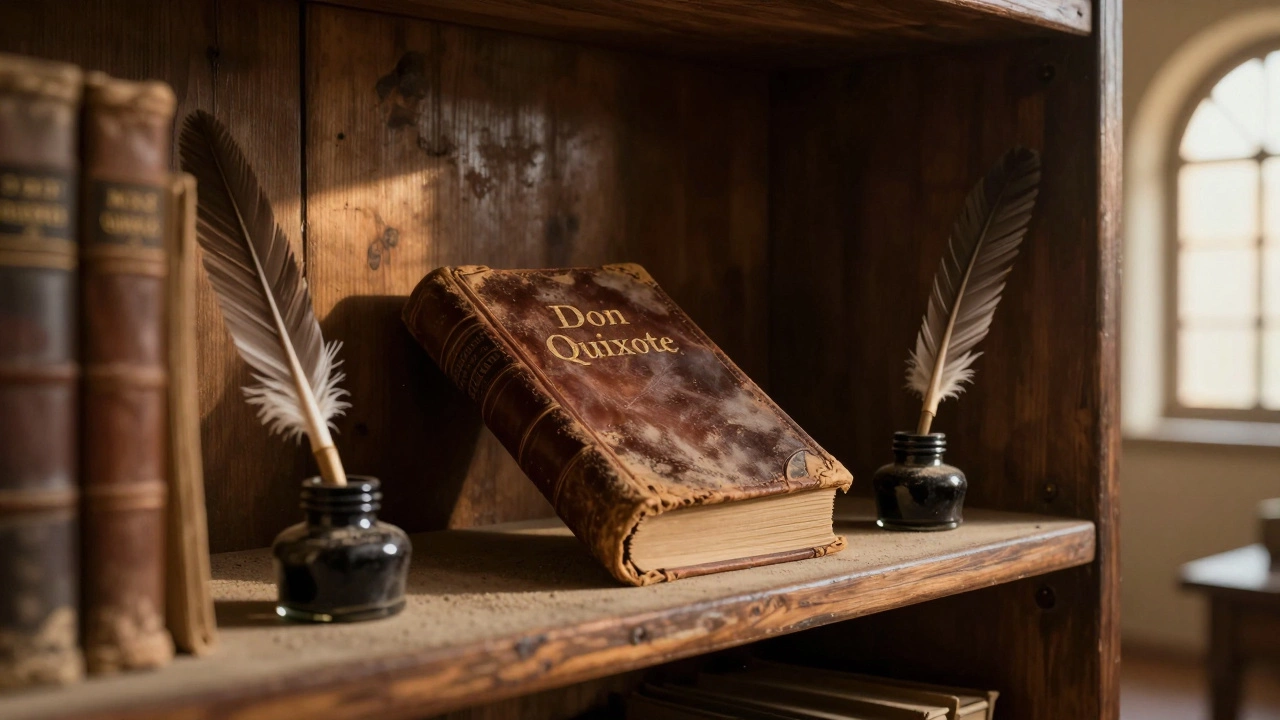
What Is Considered the Best-Selling Novel of All Time?
The best-selling novel of all time is Don Quixote, with over 500 million copies sold. More than just a classic, it pioneered modern storytelling and still resonates today.

What Proves the Bible Is Historically Accurate?
Archaeological finds, non-biblical records, and ancient manuscripts confirm that the Bible accurately describes real places, people, and events. From Jericho to Pontius Pilate, history backs up what the text claims.
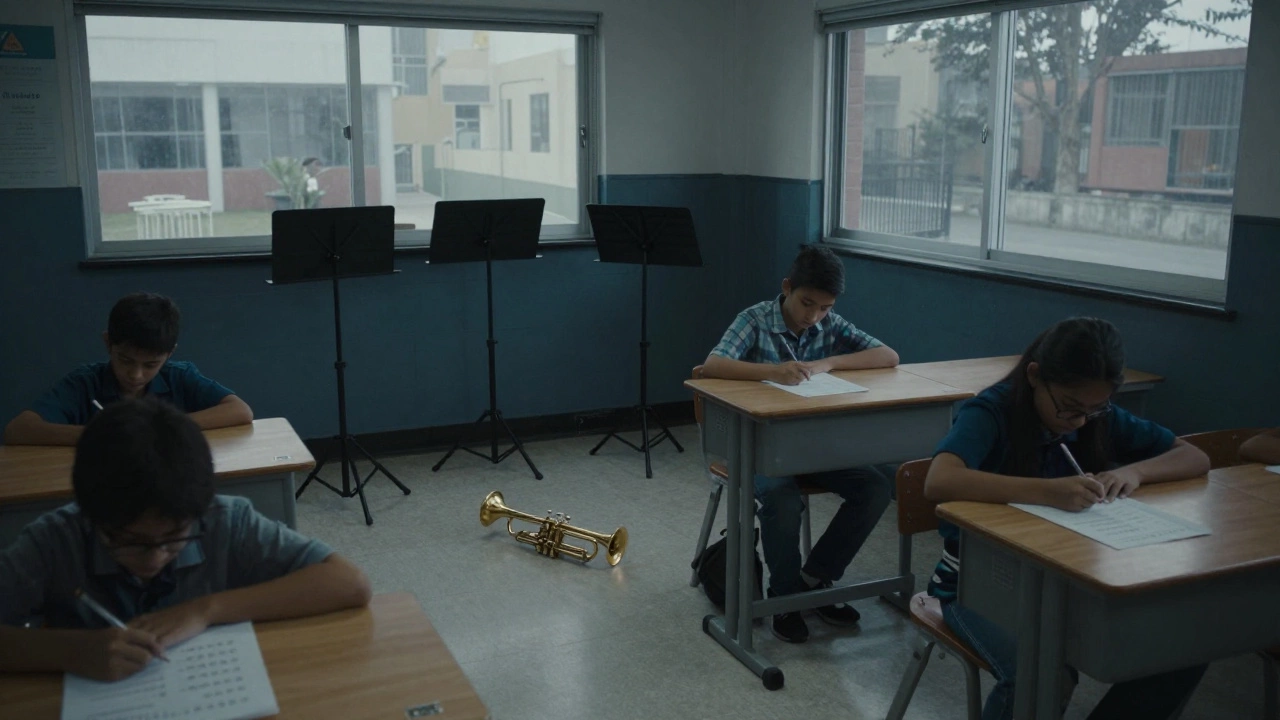
Why Are Schools Getting Rid of Music?
Schools are cutting music programs to save money, but research shows music boosts reading, math, and emotional well-being. Why are we removing a tool that helps kids learn-and belong?