Literary Fiction: What Makes a Story Truly Literary
When we talk about literary fiction, a category of novels focused on character depth, emotional truth, and stylistic precision rather than plot-driven action. Also known as serious fiction, it’s the kind of writing that stays with you long after you turn the last page. Unlike genre fiction that follows familiar formulas, literary fiction doesn’t promise a quick escape—it asks you to sit with discomfort, question assumptions, and feel the weight of quiet moments.
What makes a story literary isn’t just the subject matter—it’s how the story is told. The character-driven story, a narrative where internal change matters more than external events is at its heart. Think of characters who don’t save the world but change how they see it. The narrative depth, the layered exploration of a character’s thoughts, regrets, and contradictions turns ordinary lives into mirrors for larger truths. And then there’s the writing style, the deliberate, often poetic use of language that serves meaning, not just decoration. It’s not about fancy words—it’s about choosing the right ones to make silence speak louder than action.
These stories don’t always have happy endings, but they often have honest ones. They wrestle with questions no self-help book can answer: Why do we hold onto pain? How do we forgive ourselves? What does it mean to be alone in a crowded room? That’s why readers return to Dickens’ Bleak House or linger over modern works that feel like whispered confessions. This isn’t about being smart—it’s about being human.
If you’ve ever read a book and felt like the author reached inside your chest and pulled out something you didn’t know you were carrying, that’s literary fiction at work. Below, you’ll find real guides that break down exactly what makes a novel fit this category—not just theory, but practical signs you can spot in any book. Whether you’re writing one, choosing one, or just trying to understand why some stories stick with you, these posts give you the tools to see it clearly.
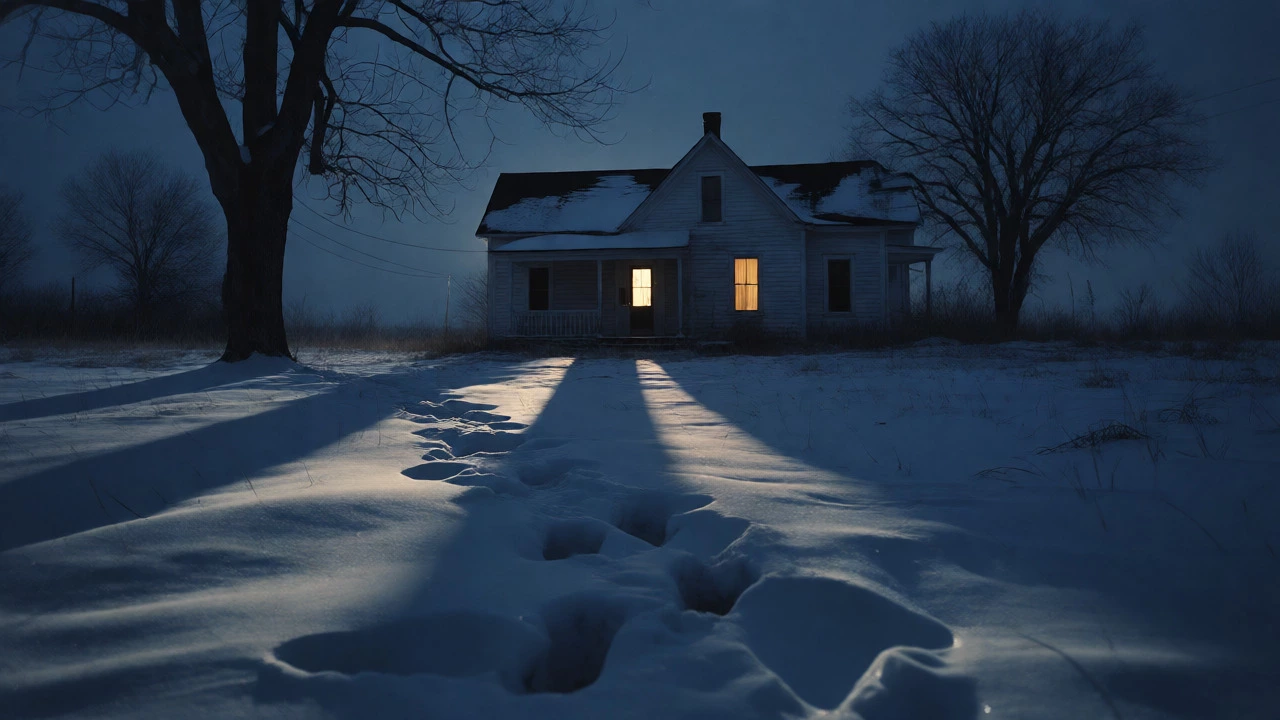
Best Examples of Literary Nonfiction: Top Books & Authors
Discover the best examples of literary nonfiction, from Truman Capote's 'In Cold Blood' to Tara Westover's 'Educated'. Learn what defines this genre and how to choose your next true-story masterpiece.

What Grade Reads Fahrenheit 451? Age & School Level Guide
Discover the ideal grade level for reading Fahrenheit 451. We break down age recommendations, content warnings, and tips for parents to ensure a meaningful reading experience.
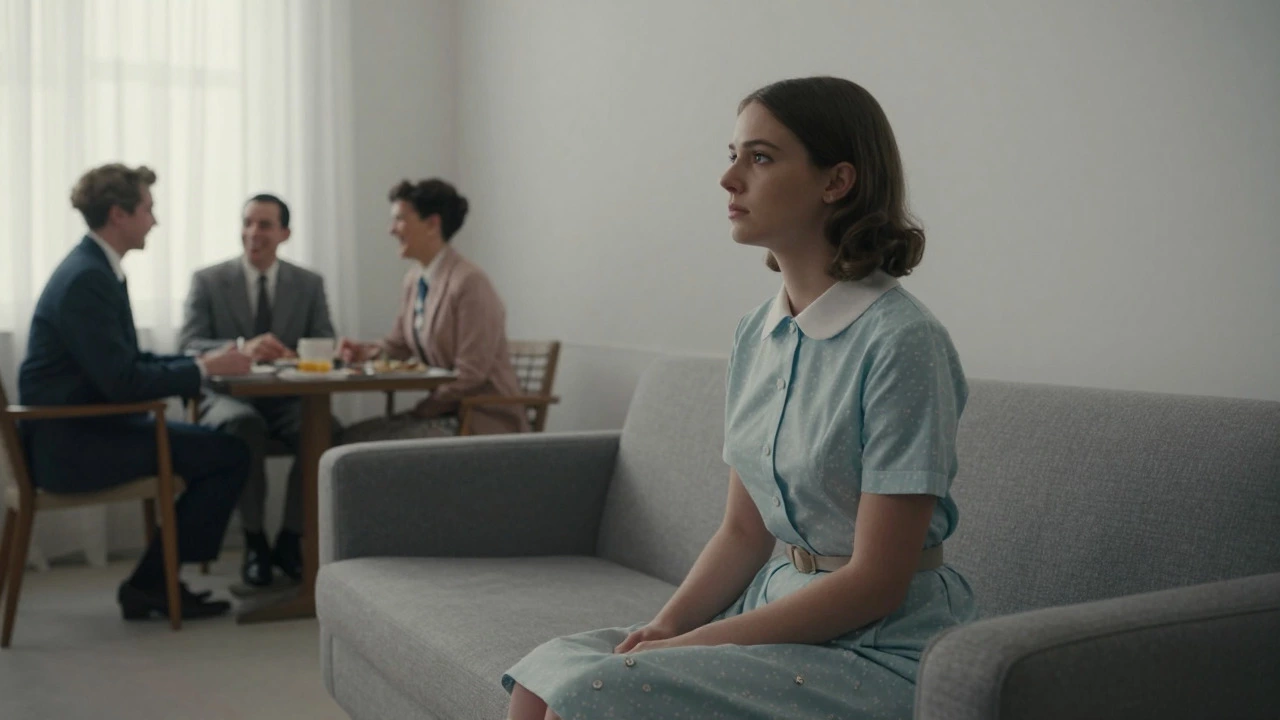
The Bell Jar Paradox: Understanding Esther Greenwood's Trapped Existence
Explore the central paradox in Sylvia Plath's The Bell Jar: how privilege and social expectations create a suffocating trap for Esther Greenwood. Understand the symbolism of the bell jar and its relevance to modern identity crises.
What Falls Under Literary Fiction? A Clear Guide to the Genre
Discover what defines literary fiction. We break down the difference between literary and genre fiction, highlight key characteristics, and recommend top reads for deeper understanding.

How Long Does It Take to Write Literary Fiction? A Realistic Timeline
Discover how long it really takes to write literary fiction. From drafting to revision, learn realistic timelines, pacing strategies, and tips to finish your novel efficiently.
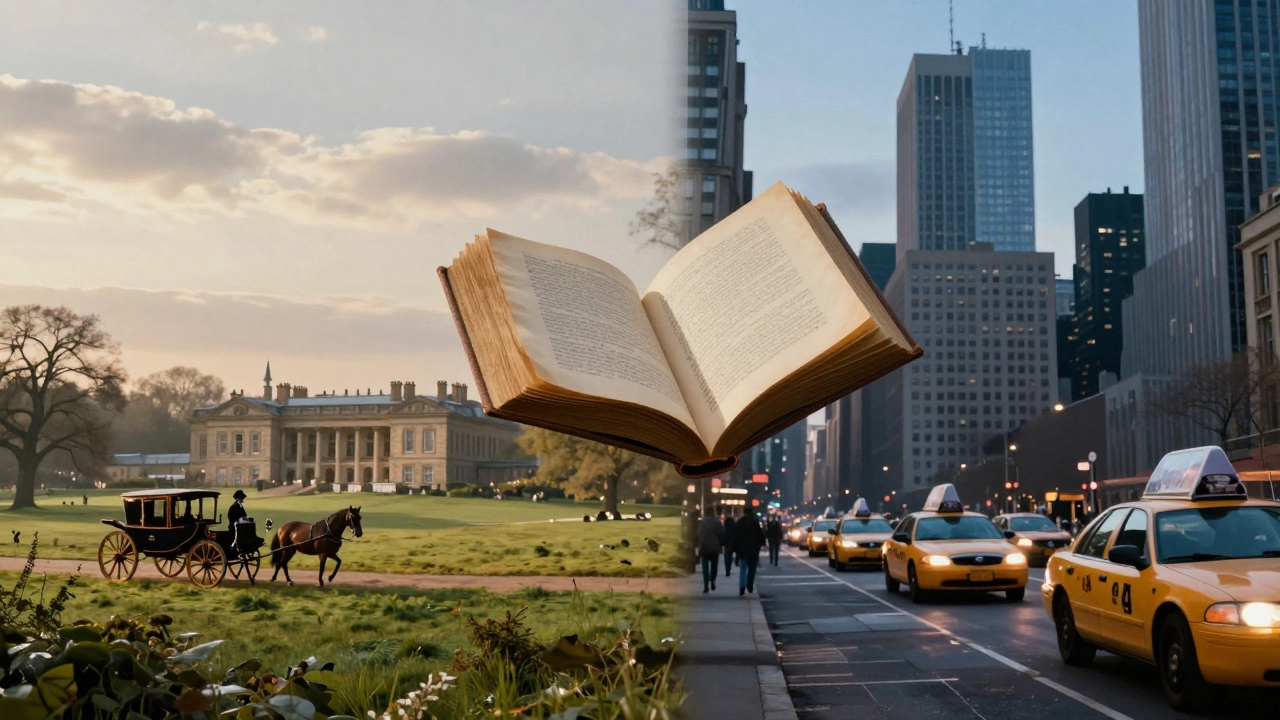
Modern Retellings: Books Inspired by Pride and Prejudice
Discover the best books inspired by Pride and Prejudice, from modern New York retellings to zombie mash-ups. Explore why Jane Austen's classic remains a timeless blueprint.
Does Literary Fiction Have Dialogue? Understanding Dialogue in Literary Fiction
Yes, literary fiction has dialogue, but it functions differently than in genre fiction. Learn how dialogue reveals character depth, explores themes, and creates subtext in literary novels.
What Are the 5 Stages of a Narrative? A Simple Breakdown for Storytellers and Readers
Learn the five stages of a narrative-exposition, rising action, climax, falling action, and resolution-and how they shape every great story, from novels to personal memories.
Is Harry Potter a Bildungsroman? A Deep Dive
Explore why Harry Potter fits the classic bildungsroman mold, examine key growth stages, compare with literary giants, and see how this label deepens our reading of the series.
Fantasy Book Definition: What Makes a Book a Fantasy Novel?
What really defines a fantasy book? Dig into the traits, history, and subtle differences that classify a story as fantasy. Find out how to spot the genre.
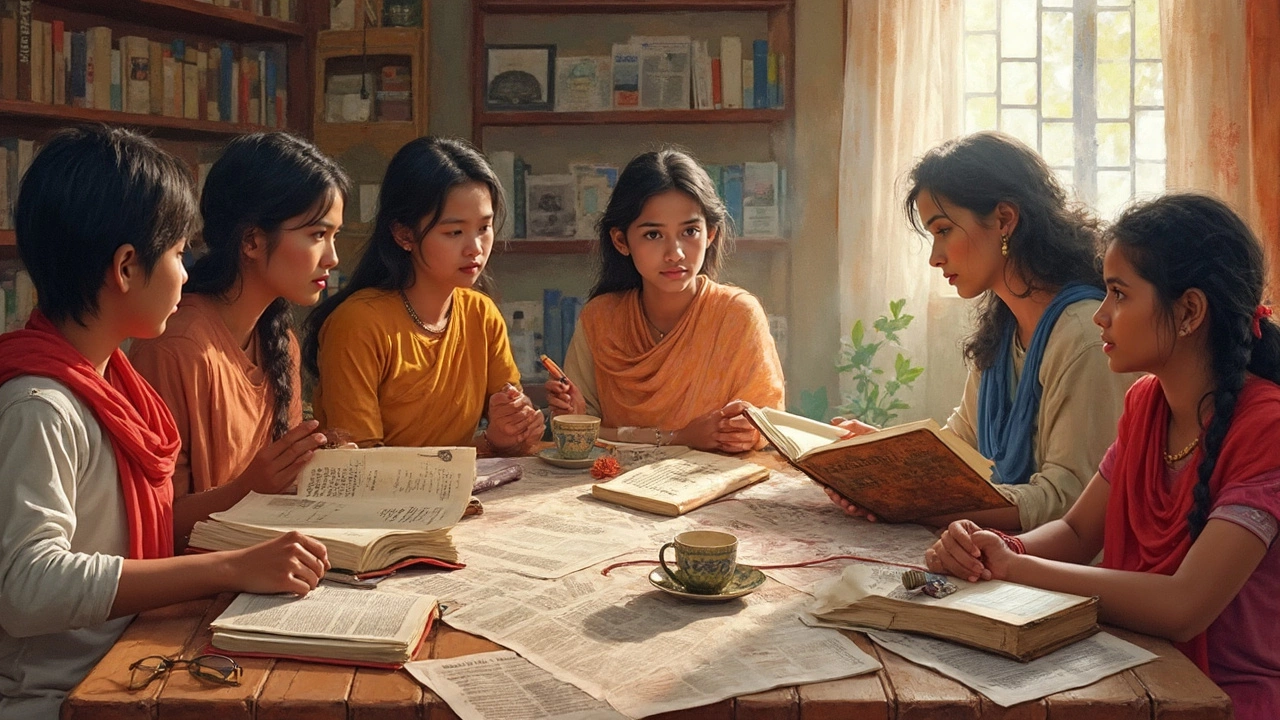
Literary Nonfiction vs Historical Fiction: Key Differences Explained
Literary nonfiction and historical fiction sound similar, but they're worlds apart when you dive in. This article breaks down how each genre handles facts and storytelling. You’ll find out what makes each unique, where the lines blur, and how readers can spot the subtle differences. Expect some surprising examples and tips to help you tell them apart. It’s your go-to guide if you’re curious about how stories and history mix.
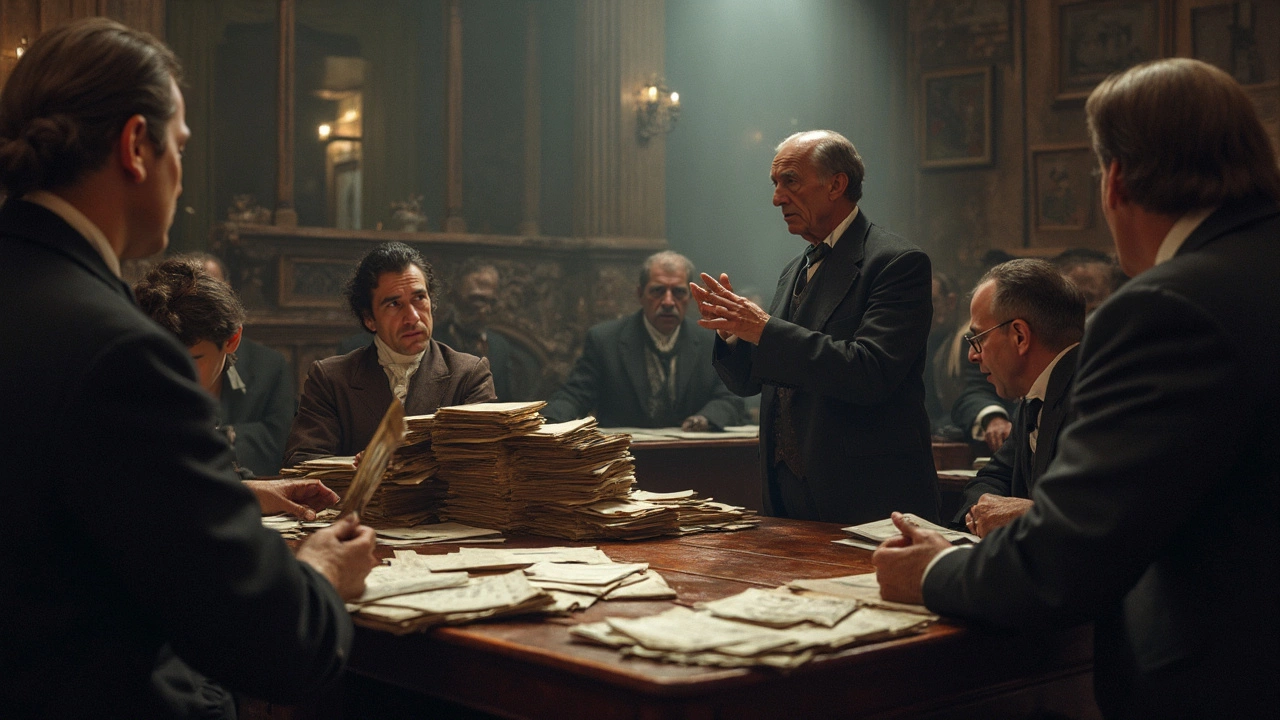
Dickens' Main Message in Bleak House: Corruption, Justice, and Hope
This article unpacks the main message Charles Dickens delivers in 'Bleak House.' It digs into how Dickens uses the novel to challenge the legal system, highlight social injustice, and call for change in Victorian England. You'll see how he weaves stories of real people caught in endless bureaucracy and uses memorable characters to bring these problems to life. Get practical insights into the themes, facts about the era, and tips for understanding Dickens' style. Perfect for anyone wanting to grasp what's truly at the heart of 'Bleak House.'
- 1
- 2