
The Short Answer: Yes, But Read the Fine Print
You absolutely can use real people in historical fictiona genre blending factual history with invented narrative. In fact, most award-winning novels in this space rely on flesh-and-blood characters who actually lived. However, doing it right requires walking a tightrope between respect and storytelling. The core tension lies in balancing what happened versus what makes for a gripping read.
When you decide to place a known figure into your plot, you aren't just borrowing a name. You are stepping into their legacy. This brings immediate legal and ethical questions. Does it matter if they are dead? What happens if you give them a secret lover that never existed? Can you change their personality traits? These aren't academic questions for historians anymore; they are survival checks for authors wanting to publish commercially.
Understanding the Legal Landscape
The biggest worry for writers is getting sued. In the world of publishing, lawsuits usually fall into two buckets: defamation and privacy. For deceased individuals, the risk drops significantly in most jurisdictions, though not to zero. In many places like the United States and the United Kingdom, defamation lawlegal actions protecting someone from false statements damaging their reputation applies to the living. Once a person passes away, their reputation is generally considered part of public history rather than private property, making it harder for descendants to sue successfully.
However, you must be careful with timing. If you write about someone still alive, even if they are a minor character, you open yourself up to claims of libel. Even public figures have some rights. For example, portraying a living political leader as engaging in criminal activity without basis could trigger serious trouble. Always distinguish between the past and the present when checking these waters.
| Status | Legal Risk Level | Permission Needed? |
|---|---|---|
| Deceased (Long ago) | Low | No |
| Deceased (Recent) | Medium | No |
| Living Public Figure | High | Recommended |
| Living Private Citizen | Critical | Yes |
If you write about recent history, say events from the last 30 years, families may feel strongly about how their relatives are portrayed. While the law might side with you as a creative artist, the public relations fallout can damage book sales. A smart author avoids depicting living people in controversial ways unless they have proof. For distant history, Public Domainworks and facts free from copyright protection rules also help protect you from copyright infringement suits.
Ethical Considerations Beyond the Law
Laws set the floor for what you can do, but ethics dictate what you should do. History belongs to everyone now, but feelings don't die with the person. Imagine writing a scene where a historical hero does something despicable that contradicts their known public life. Even if it's just fiction, readers and descendants often react negatively. This isn't about censorship; it's about respecting the human reality behind the name.
Consider the impact on marginalized groups. Portraying historical figures of color or women purely through the lens of stereotypes from the era can reinforce harmful biases. Context matters here. If you depict a slave owner sympathetically without acknowledging their crimes, modern readers will likely reject the work. Authenticity isn't just about dates and uniforms; it's about moral honesty.
There is also the issue of accuracy regarding public records. Everyone gets access to the primary sources eventually. If you write a biography-style novel and fabricate key life events, historians will catch you. It creates noise in the historical record. Stick to the facts for the public timeline, and invent the private details. This approach gives you creative freedom while keeping your feet planted in reality.

Researching Your Historical Figures
Before you type a single word of dialogue, you need to know your subject better than they knew themselves. Primary sources are your best friend. Letters, diaries, court transcripts, and newspaper accounts provide the texture of real lives. You are looking for gaps. If there is a month where a person disappears from the record, that is your playground. You can write a whole chapter of their "lost time" without contradicting the official history.
Don't rely solely on secondary summaries or Wikipedia. Those are starting points, not sources. Go to the archives. Digitized collections are widely available now. Look for contradictions in contemporary accounts. One source says he was angry; another says he was calm. That conflict gives you material. It allows you to dramatize their uncertainty rather than presenting a dry report.
Pay attention to voice. Did this person speak formally? Were they educated or illiterate? Writing Napoleon Bonaparte sounding like a modern teenager breaks immersion. Understanding Period DictionThe vocabulary and speech patterns characteristic of a specific time period helps keep your character believable. It respects the intelligence of the reader. They deserve to step into the past without stumbling over anachronisms in the dialogue.
Balancing Fact and Fiction
This is where Creative LicenseFreedom to alter historical facts for artistic effect becomes your tool. You cannot change the outcome of a war if everyone knows how it ended. But you can change how your character felt during that war. Inner monologue is the great equalizer. We will never know what Henry VIII truly thought in his head before signing a death warrant. That space is yours to fill.
A good rule of thumb is to treat public events as locked facts and private moments as flexible clay. You wouldn't move the date of Waterloo to July instead of June. But you can have your soldier eating dinner with his wife the night before the battle, even if no diary entry exists to confirm they were together. Just ensure you don't claim it as absolute fact elsewhere.
Mentioning the limits of knowledge helps. If your narrator acknowledges that "history doesn't tell us," you create a safety net. It signals to the reader that you are weaving a story, not teaching a textbook lesson. This transparency builds trust. Readers appreciate when an author owns the fictionalization choices rather than trying to hide them.
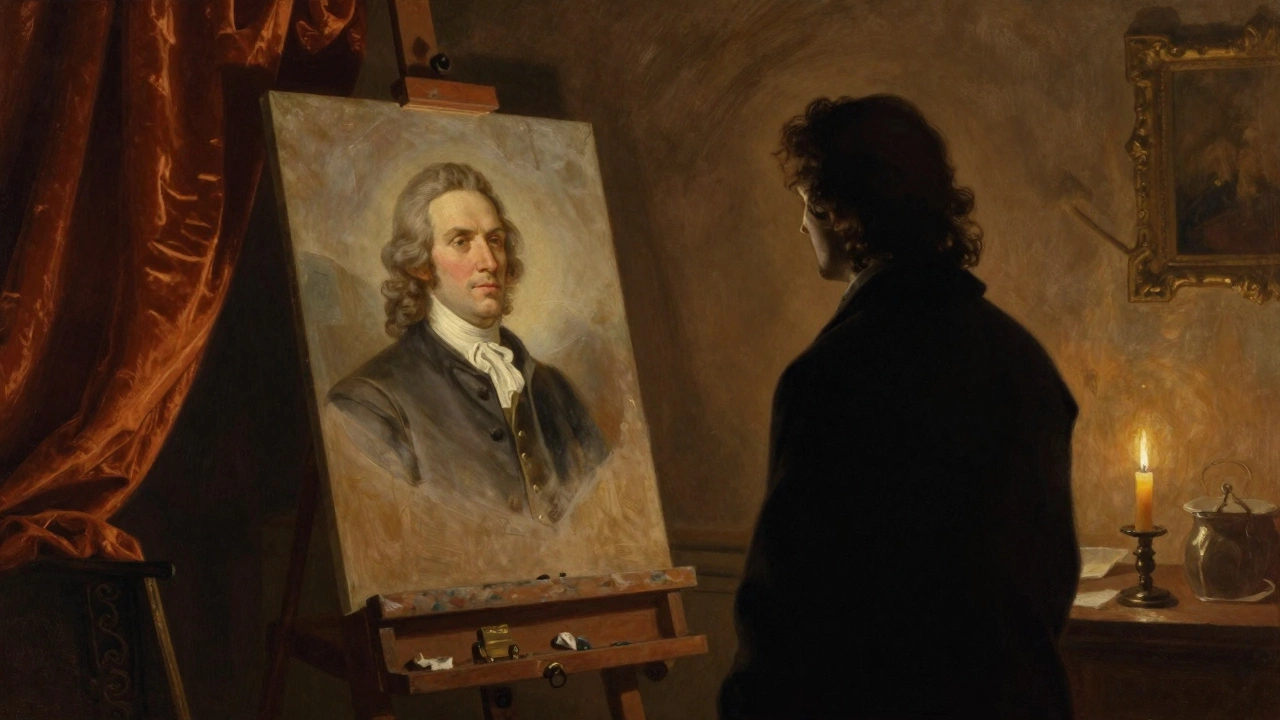
Learning from the Masters
Look at how established authors handle this balance. Hilary Mantel wrote about Thomas Cromwell. She brought him back to life with psychological depth, yet critics noted where she took liberties with timelines to serve the drama. Patrick O'Brian in the Aubrey-Maturin series created fictional captains but filled the world with real naval officers and actual battles. He understood that the backdrop must be rock solid so the actors can move freely.
Another example is David McCullough. His biographies are nonfiction, but they are written with the pacing of fiction. He shows how rigorous research allows for dramatic narrative. When reading these works, pay attention to footnotes. Often, authors will note exactly where they changed things. It sets a standard for your own work. If you can point to your research notes that show where you made assumptions, you are safer than if you just guessed.
Common Pitfalls to Avoid
- The Villain Trap: Never assume a historical figure is simply evil. Most people believe they are the heroes of their own stories. Nuance makes the writing stronger.
- Modernizing Values: Avoid judging past figures by today's morality without acknowledging the context. It feels tone-deaf to readers familiar with the era.
- Anachronistic Language: Avoid idioms and slang that didn't exist yet. A simple search for phrase origins can save your credibility.
- Ignoring the Power Dynamic: Ensure relationships between your real and fictional characters make sense given social class and gender norms of the time.
It is easy to get lost in the romance of the past. Focus on the friction. Friction creates drama. The struggle between what was allowed then and what your character wanted then drives the plot. Don't let the research stop the story, but don't let the story lie to the history either.
Troubleshooting Your Draft
If you find yourself struggling with a scene involving a real person, try the "What if" test. Ask, "If they knew this would end up in print, would they object?" If the answer is yes, re-evaluate your necessity. Is this detail vital to the plot? If you remove it, does the book fail? If not, cut it. Protecting yourself minimizes stress and keeps your focus on the art.
For scenes with living figures, consult a lawyer before publication. It costs money, but it saves careers. Publishers usually have counsel review manuscripts for high-risk profiles. Don't skip this step for independent releases. It is cheaper to hire counsel upfront than to defend a lawsuit later.
Ultimately, using real people enriches your work. It grounds the fantasy in shared human experience. Treat them with care, back it up with research, and enjoy the ride through history.
Can I kill off a famous historical character early in my book?
You technically can in fiction, but it changes the genre label. If they are dead, altering their death date alters recorded history. Most publishers classify this as 'Alternate History' rather than strict historical fiction. Be clear with readers that you are changing the timeline.
Do I need to cite my sources for historical figures?
While not legally required for fiction, adding an Author's Note or bibliography adds credibility. It shows you did the work and allows interested readers to verify your facts. It builds trust with history buffs.
What if the family objects to my book?
For very old figures, you can ignore them legally. For recent ones, it can lead to bad press. Mitigate this by showing your research process proves you weren't being malicious. Stick to documented controversies rather than inventing scandals.