Have you ever read a story that made your palms sweat, your heart race, and your brain scream, "Don’t turn that page!"? That’s the pull of an adventurous story. It’s not just about maps and mountains or pirates and lost cities. It’s about what happens when someone walks away from the safety of home-and doesn’t know if they’ll ever come back.
What Makes a Story "Adventurous"?
An adventurous story isn’t defined by swords or spaceships. It’s defined by risk. The moment a character leaves the known world behind, the story becomes an adventure. That could be a kid stepping into a forest no one dares enter. A scientist boarding a one-way mission to Mars. A grandmother crossing a war-torn border to find her grandchild. The setting doesn’t matter as much as the stakes: survival, discovery, redemption, or simply proving you’re still alive.
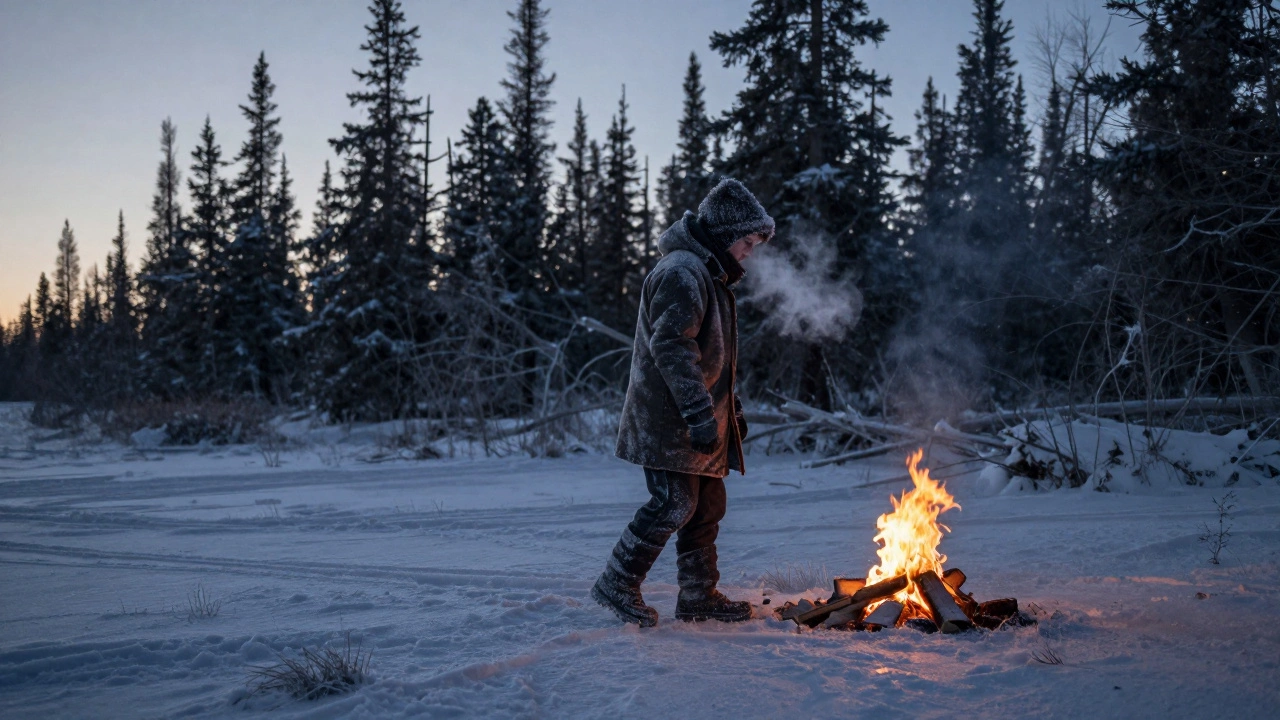
Think about Jack London’s "To Build a Fire". No dragons. No magic. Just a man and the Yukon. The cold doesn’t care about his plans. The story isn’t about winning. It’s about what happens when nature doesn’t care if you live or die. That’s the core of adventure: the world is indifferent, and you have to outthink it, outlast it, or die trying.
The Four Pillars of Every Great Adventure
Not all adventure stories are the same, but they all rest on four things:
- Unpredictable Terrain - Whether it’s a jungle, a spaceship, or a crumbling city, the environment is a character. It changes. It betrays. It tests.
- High Stakes - If the outcome doesn’t matter, it’s not an adventure. Someone’s life. A civilization. A truth that could change everything.
- Relentless Pressure - Time runs out. Resources vanish. Allies turn. The clock ticks louder with every chapter.
- A Changed Person - The hero doesn’t return the same. They’re scarred. Wiser. Broken. Or better. That transformation is what sticks with you long after the last page.
Take Jules Verne’s "Journey to the Center of the Earth". The characters don’t just explore caves. They face underground oceans, prehistoric beasts, and the crushing weight of isolation. And when they return? They’re not the same men who left. The adventure changes them.
Adventure vs. Action: What’s the Difference?
People mix these up. Action is explosions. Adventure is endurance. Action is what happens. Adventure is why it matters.
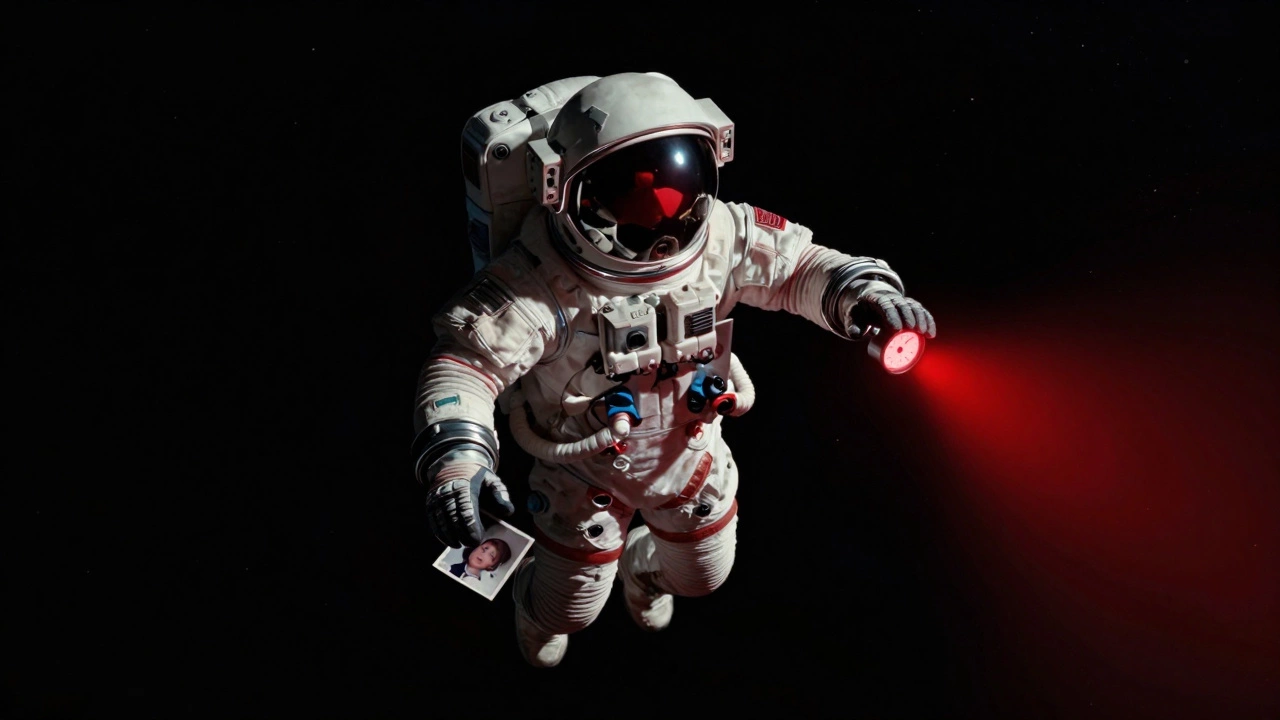
A superhero fighting a robot? That’s action. A lone astronaut drifting in space, rationing oxygen, remembering their child’s voice, and deciding whether to turn back or keep going? That’s adventure. One gives you adrenaline. The other gives you a new way of seeing the world.
Adventure stories don’t need guns. They need choice. And choices made in the dark, with no one watching, are the ones that define us.
Real-World Roots of Fictional Adventures
Most great adventure tales are built on real human feats. Ernest Shackleton ’s 1914 Antarctic expedition didn’t just inspire Endurance-it *is* the story. When his ship got crushed in ice, he didn’t panic. He led 27 men across glaciers, in open boats, through storms, to save them all. No magic. No superpowers. Just grit, leadership, and refusing to give up.
Same with Reinhold Messner ’s solo climb of Everest without oxygen. He didn’t need a team. He didn’t need gadgets. He needed to know he could do it-even if it killed him. That’s the soul of adventure: proving something to yourself when no one else is watching.
Why Do We Keep Reading These Stories?
We don’t read them because we want to climb mountains. We read them because we want to know: Could I survive?
In a world full of routines-commutes, bills, screens, schedules-adventure stories remind us that life isn’t meant to be safe. That courage isn’t the absence of fear. It’s moving forward anyway. That the most dangerous thing isn’t a bear or a storm. It’s giving up.
Think about Ursula K. Le Guin’s "A Wizard of Earthsea". The hero doesn’t defeat a villain. He faces his own shadow. That’s the deepest adventure of all: confronting the parts of yourself you’ve buried.
Modern Adventures: Beyond Maps and Compasses
Today’s adventure stories don’t always take place on distant planets. They happen in places we ignore:
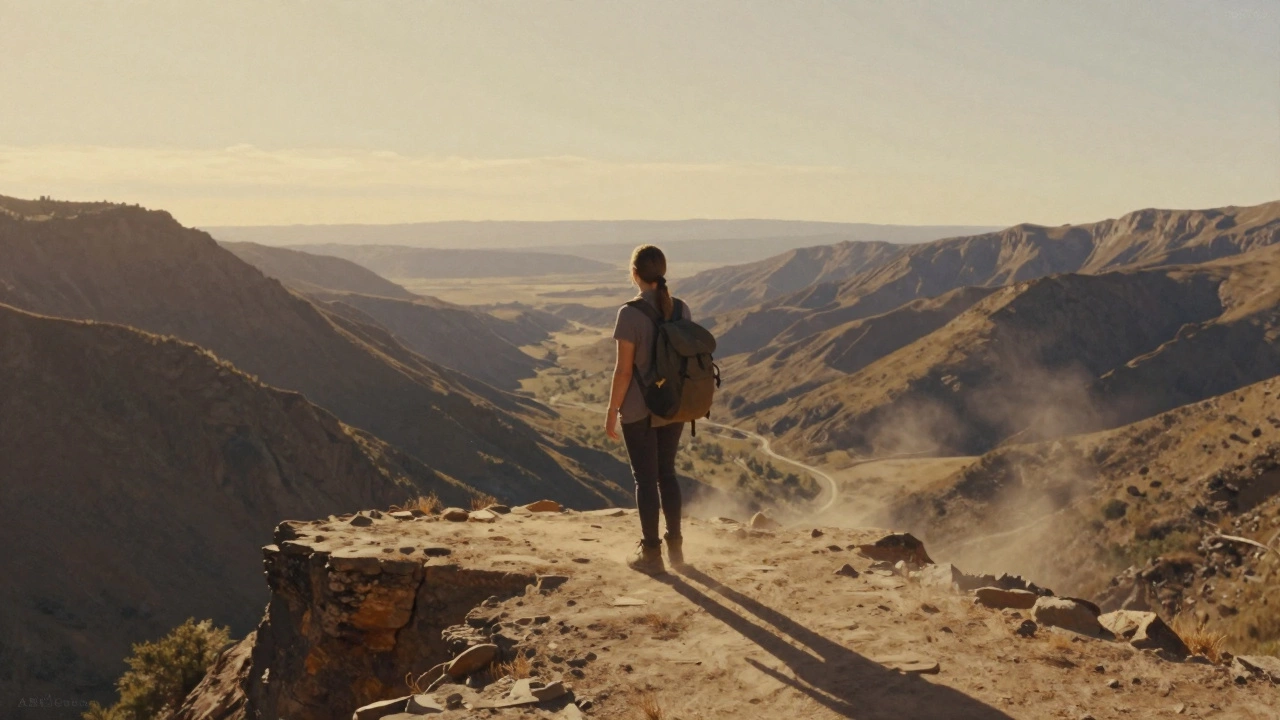
- A single mother hiking 500 miles across the Pacific Crest Trail to heal from grief.
- A refugee crossing three borders with nothing but a child and a water bottle.
- A programmer who quits their job to sail solo around the world, documenting ocean plastic.
These aren’t fantasy. They’re real. And they’re the new adventure genre. The map is no longer drawn on parchment. It’s drawn in resilience.
What You’ll Find in Every Adventure Story
Here’s what you can count on:
- A moment when everything goes wrong-and the character has to decide: quit or keep going.
- A companion who doesn’t make it. Or one who turns out to be the enemy.
- A hidden truth: the destination wasn’t the goal. The journey was.
- A final line that lingers: not because it’s poetic, but because it’s true.
Adventure stories don’t promise happy endings. They promise meaningful ones. Even if the character dies, they die on their own terms. And that’s what makes us love them.
Where to Start Reading
If you’ve never read an adventure story, start here:
- "The Call of the Wild" by Jack London - A dog learns what it means to survive.
- "The Old Man and the Sea" by Ernest Hemingway - One man, one fish, and the sea that won’t let go.
- "Into the Wild" by Jon Krakauer - A true story of a young man who walked into the Alaskan wilderness… and never came back.
- "The Martian" by Andy Weir - A man stranded on Mars, using math and sarcasm to stay alive.
Each one will make you feel something you haven’t felt in a long time: wonder. And maybe, just maybe, the urge to step outside your door… and see what’s out there.
Are all adventure stories about physical journeys?
No. While many involve travel, the real journey is internal. Stories like "A Wizard of Earthsea" or "The Road" by Cormac McCarthy are about emotional survival. A character might never leave their room, but the fight inside them-against fear, guilt, or despair-is just as dangerous as any storm or desert.
Can a story be adventurous without danger?
Not really. Adventure requires risk. That doesn’t always mean physical danger. It could be social, emotional, or moral. A whistleblower exposing corruption risks their career, their safety, their family. That’s an adventure. The stakes are just different. No one dies, but something essential does-like their old life.
Why are adventure stories popular with young readers?
Because they mirror growing up. Leaving home, facing the unknown, making hard choices, finding out who you are-that’s what adolescence feels like. Stories like "The Hobbit" or "Percy Jackson" give kids a map for their own journey. They don’t just entertain. They prepare.
Do adventure stories have to end with a victory?
No. Some of the most powerful adventures end in loss. "The Old Man and the Sea" ends with the fish gone and the man exhausted. But he’s proud. He proved something. Victory isn’t always about winning. Sometimes, it’s about refusing to quit.
Are adventure stories only for men?
Absolutely not. Classic adventure tales like "The Secret Garden" or "The Woman in the Window" center women. Modern ones like "Wild" by Cheryl Strayed or "The Light Between Oceans" show that courage doesn’t have a gender. The need to push beyond limits? That’s human.