Genre Classifier: Historical vs. Cli-Fi
Based on the article "Is Two Degrees Historical Fiction?", this tool helps you analyze narratives by comparing key structural elements of Historical Fiction versus Climate Fiction (Cli-Fi).
Analysis Result
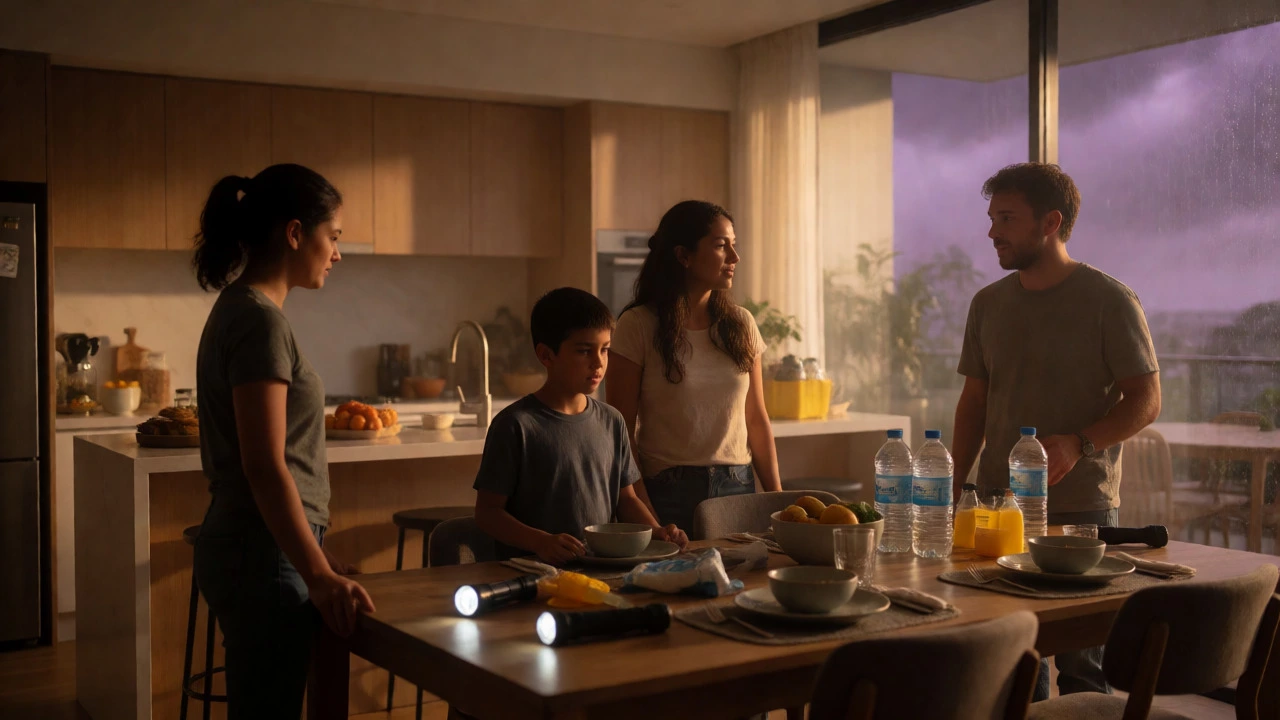
Here is a tricky one for the bookshelf. You pick up Two Degrees, an anthology edited by Richard King and published in 2015, and you stare at the cover. It looks like science fiction. The blurb talks about rising sea levels and extreme weather. But then you read the first story, and suddenly you are in a kitchen in Sydney or a living room in London, dealing with family drama that feels painfully real. So, where does it belong? Is it historical fiction? Or is it something else entirely?
The short answer is no, Two Degrees is not historical fiction in the traditional sense. It is climate fiction, often shortened to cli-fi. However, the line between these genres is blurrier than most people think. This article breaks down why this classification matters, how the book uses real-world history to build its future, and why treating it as "future history" might actually be the smartest way to read it.
Defining the Genres: History vs. Speculation
To understand the confusion, we need to look at what defines these categories. Historical fiction is narrative set in the past. It requires research into specific eras, technologies, and social norms of times that have already happened. Think Hilary Mantel’s Wolf Hall or Colson Whitehead’s The Underground Railroad. The events are grounded in recorded time.
Speculative fiction is the umbrella term for anything that asks "what if?" It includes science fiction, fantasy, and dystopia. Two Degrees falls squarely under this umbrella because it deals with projected environmental changes. The stories are set in the near future-roughly 2030 to 2050. That is not the past. It is the immediate tomorrow.
But here is the twist. Many readers feel these stories are "historical" because they reflect current anxieties so accurately. When you read about a character struggling with insurance claims after a flood, it feels familiar because we are seeing those headlines today. This creates a cognitive dissonance. We recognize the emotional truth, but the timeline is wrong. Let’s look at how these genres differ structurally.
| Feature | Historical Fiction | Cli-Fi (e.g., Two Degrees) |
|---|---|---|
| Time Setting | Past (pre-publication) | Near Future (post-publication) |
| Basis of Reality | Recorded events/archives | Scientific projections/data |
| Primary Conflict | Human agency vs. historical constraints | Human agency vs. environmental limits |
| Research Focus | Social customs, politics, daily life | Climate models, policy, technology |
Why Two Degrees Feels Like History
If Two Degrees isn't historical fiction, why does it resonate with fans of the genre? Part of it is the writing style. Richard King selected authors who focus on character-driven narratives rather than hard sci-fi tech specs. There are no laser guns or warp drives. Instead, there are power outages, water rationing, and political gridlock. These are things we experience now.
Consider the story "The Last Days of the World" or similar entries in the collection. They don't rely on alien invasions. They rely on the slow erosion of normalcy. This technique is called verisimilitude. It makes the fictional world feel indistinguishable from our own. For a reader who loves the immersive detail of historical novels, this closeness is appealing. You aren't transported to Mars; you are transported to your neighbor's house ten years from now.
Furthermore, the anthology draws heavily on real historical precedents. Several stories reference past disasters-Hurricane Katrina, the Australian Millennium Drought-as cautionary tales. Characters in the book remember these events as history. By embedding actual historical trauma into the narrative, the authors create a bridge. The characters' memories are our present, making the future feel like a logical extension of what we already know.
The Role of Science in Narrative Structure
In historical fiction, accuracy is judged against archives. In Two Degrees, accuracy is judged against climate science reports. The title itself refers to the global warming threshold scientists warned about for decades. If the planet warms by two degrees Celsius, ecosystems collapse. The stories explore the social fallout of that specific metric.
This reliance on data changes how the plot works. In a standard historical novel, the conflict might come from a battle or a royal decree. Here, the antagonist is physics. You cannot negotiate with a rising tide. You cannot bribe a heatwave. This forces characters to adapt in ways that mirror historical survival strategies. People migrate. They hoard resources. They form new communities. These are historical behaviors triggered by futuristic conditions.
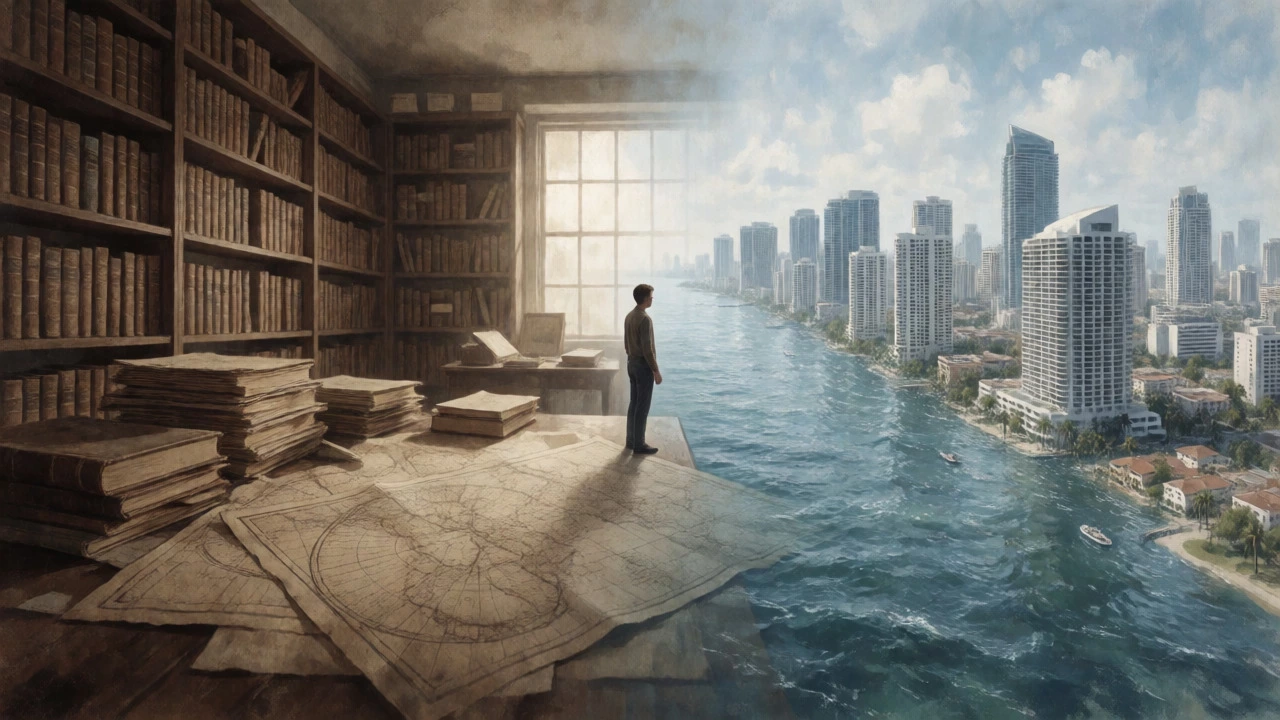
For example, one story might depict a community in Florida adapting to permanent flooding. The architecture changes. The economy shifts. This is essentially a historical case study projected forward. If you view climate change as an inevitable historical force, then reading Two Degrees becomes an exercise in speculative history. You are watching the past happen again, just with different stakes.
Should You Shelve It in Historical Fiction?
Libraries and bookstores usually shelve Two Degrees under Science Fiction or Contemporary Fiction. But should you treat it differently? If you love historical fiction for its attention to social detail and human resilience, yes. The emotional core of these stories aligns more with literary realism than with space opera.
However, do not expect the comfort of a closed timeline. Historical fiction ends when the era ends. We know who won the Civil War. We know the outcome of the Black Death. Two Degrees leaves the ending open because our real-world outcome is still being written. This uncertainty can be unsettling for readers who prefer the safety of known outcomes.
There is also a sub-genre called alternate history. Some stories in the anthology flirt with this idea. What if we had acted on climate warnings in the 1990s? What if the Kyoto Protocol had succeeded? These counterfactuals allow the authors to critique the present by imagining a slightly different past. This hybrid approach makes strict categorization difficult, but it enriches the reading experience.
Reading Strategies for Genre-Benders
If you are picking up Two Degrees, here is how to get the most out of it without getting hung up on labels.
- Focus on the Human Element: Ignore the science jargon initially. Look at how relationships change under stress. This is the same lens used in WWII historical fiction.
- Check the Publication Date: Remember this was written in 2015. Compare the predictions to current news (2026). See which parts felt prescient and which felt dated. This turns reading into a fact-checking game.
- Read One Story at a Time: Since it is an anthology, each piece has a distinct voice. Treat them like short historical case studies from different regions.
- Discuss the Ethics: Many stories raise moral questions about resource distribution. These are timeless ethical dilemmas found in classic literature.
By shifting your mindset, you stop asking "Is this accurate history?" and start asking "Is this plausible humanity?" That is the question that matters in both genres.
The Broader Trend: Blurring Lines
Two Degrees is part of a larger movement where genre boundaries dissolve. Authors like Kim Stanley Robinson (The Ministry for the Future) and Octavia Butler blend sociology, science, and history seamlessly. Readers are increasingly comfortable with books that defy easy categorization.
This shift reflects our reality. We live in a time where the future feels precarious. The distinction between "what happened" and "what will happen" feels less rigid when every news cycle brings new extremes. Literature mirrors this anxiety. We don't want pure escapism anymore. We want stories that help us process the changing world around us.
So, while Two Degrees is technically speculative fiction, it serves a function similar to historical fiction. It preserves the human record of a crisis. It documents how people lived, loved, and survived during a turning point in planetary history. Whether you call it sci-fi or history, the value lies in its empathy.
Is Two Degrees based on true events?
No, the stories are fictional. However, they are grounded in real scientific projections regarding climate change. The settings and social dynamics are imagined, but the underlying environmental threats are based on data from organizations like the IPCC.
Who is the target audience for Two Degrees?
It appeals to readers interested in climate issues, social justice, and character-driven drama. It is suitable for adults who enjoy literary fiction and speculative scenarios without heavy technical exposition.
How is Two Degrees different from typical science fiction?
Unlike typical sci-fi, it lacks advanced technology or space travel. The focus is on near-future societal adaptation to environmental changes. It prioritizes emotional realism over technological speculation.
Can I use Two Degrees in a history class?
Yes, as a tool for discussing contemporary history and future forecasting. It helps students analyze how current events influence cultural narratives and how societies prepare for systemic risks.
Are the stories in Two Degrees connected?
Generally, no. Each story stands alone with different characters and settings. They share the common theme of climate impact but do not form a continuous narrative arc.