Narrative Structure Analyzer
Analyze Your Story
Enter a story summary or select a famous example to see how it breaks down into the five narrative stages.
Story Analysis
Every great story-whether it’s a novel, a movie, a folk tale, or even a viral social media post-follows the same hidden rhythm. You don’t need to be a writer to notice it. You’ve felt it when you couldn’t stop reading, when the ending hit you in the chest, or when you walked away from a book thinking about it for days. That’s not magic. It’s structure. And at the heart of every powerful narrative are five clear stages.
The Five Stages of a Narrative
These stages aren’t just for writers. They’re how human brains process meaning. We’ve been telling stories this way for thousands of years. From ancient Greek tragedies to today’s Netflix series, the pattern holds. The five stages are: exposition, rising action, climax, falling action, and resolution.
Think of it like a rollercoaster. You start slow, climb higher, feel the drop, catch your breath, and then step off-changed. That’s the emotional journey. And it’s built into every story that sticks with you.
Stage 1: Exposition - Setting the Stage
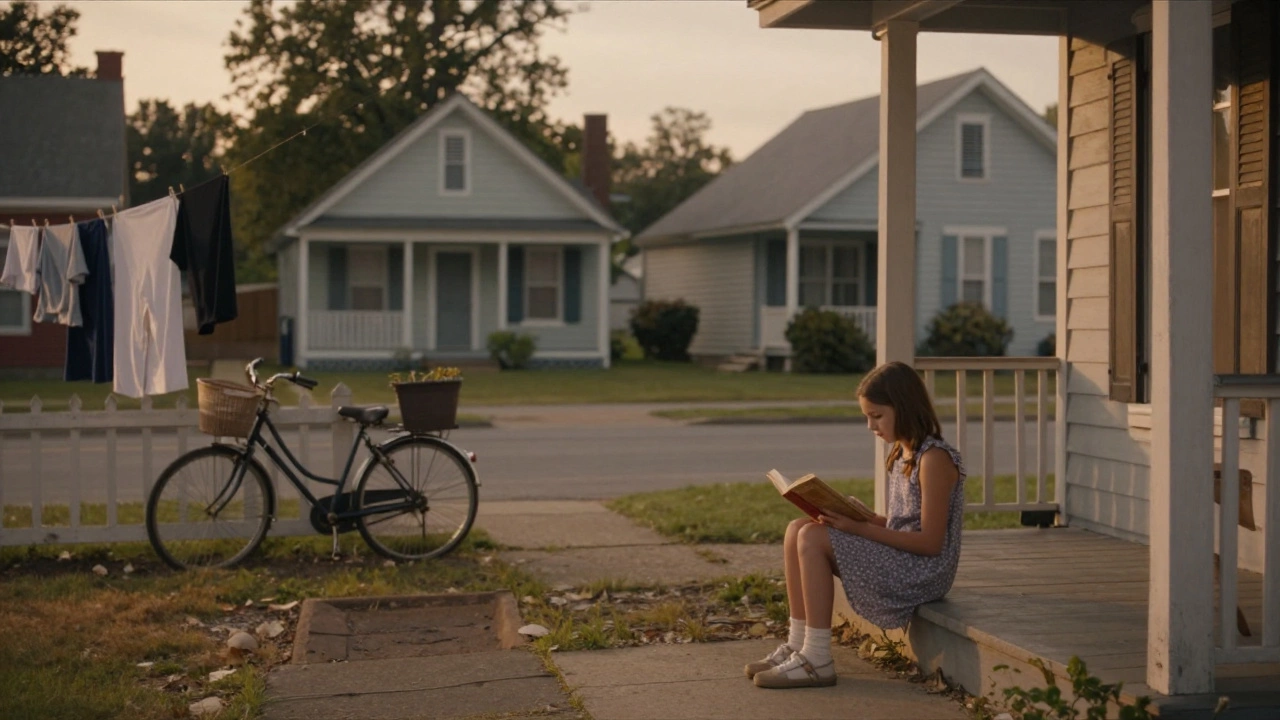
This is where the world opens up. You meet the main character. You learn where they live, what they want, and what’s normal in their life. It’s not just background. It’s the foundation of everything that comes next.
In To Kill a Mockingbird, Harper Lee doesn’t start with a trial. She starts with Scout’s childhood in Maycomb-how the town works, who the neighbors are, what racism looks like in quiet, everyday ways. That’s exposition. It’s quiet, but it’s essential. Without knowing Scout’s world, the injustice later doesn’t land.
In real life, people do this too. When you tell a friend about a bad day at work, you don’t start with the yelling. You say, “I’ve been working late all week,” or “My manager’s been on my back.” That’s exposition. It gives context. Without it, the story doesn’t make sense.
Stage 2: Rising Action - The Tension Builds
This is where things start to go off track. Something happens that disrupts the normal. A letter arrives. A secret is revealed. A stranger shows up. The character makes a choice that pulls them deeper into trouble.
In The Hunger Games, Katniss volunteers for the games. That’s the inciting incident-the spark. But the rising action is everything after: the training, the alliances, the fear, the sabotage. Each moment tightens the screw. The stakes get higher. The reader starts to wonder: Will she survive? Can she trust anyone?
This stage isn’t about big explosions. It’s about small decisions that add up. In a personal story, it might be choosing to confront someone instead of staying silent. Or signing a contract you’re not sure about. The tension grows because the character is no longer in control.
Stage 3: Climax - The Breaking Point
This is the moment everything changes. The character faces their biggest challenge. There’s no going back. It’s the point of no return. The climax isn’t always loud. Sometimes it’s quiet. But it’s always decisive.
In Pride and Prejudice, the climax isn’t when Elizabeth rejects Mr. Darcy. It’s when she reads his letter. That’s when her assumptions collapse. She realizes she was wrong. The truth hits. Her entire worldview shifts. That’s the climax-not the kiss at the end, but the moment she changes.
In real life, your climax might be telling your boss you’re quitting. Or admitting you need help. Or walking away from a relationship you’ve been clinging to. It’s the moment you stop pretending things are okay.
Stage 4: Falling Action - The Aftermath
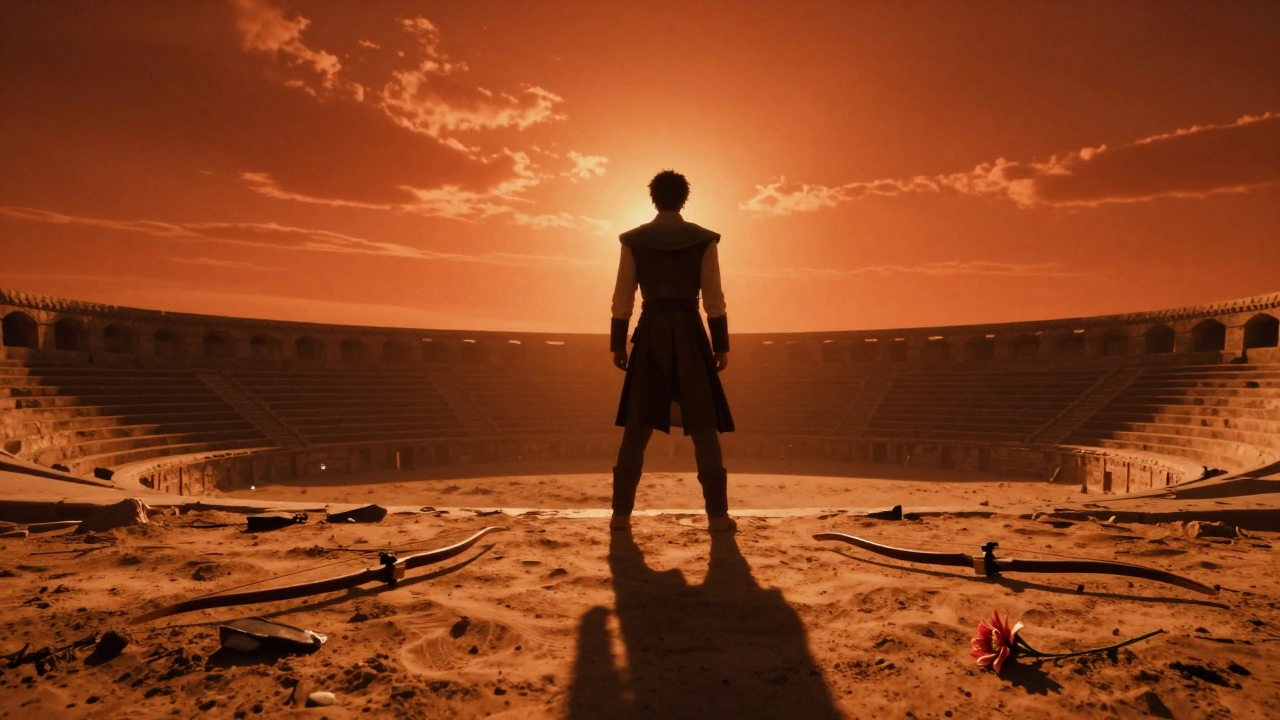
After the climax, the world doesn’t instantly fix itself. Things unravel. Consequences play out. The character deals with what just happened. This stage is often overlooked, but it’s where the story becomes real.
In Breaking Bad, Walter White’s downfall doesn’t start the moment he kills someone. It starts when he sees the damage he’s caused-when his family looks at him like a stranger, when his empire starts to crumble from within. The falling action is slow, heavy, and full of regret.
In your own life, this is the week after the big fight. The days after the job loss. The silence after the breakup. It’s not glamorous. But it’s where growth happens-or where people break.
Stage 5: Resolution - What’s Left
This is the final image. The character is different. The world is different. The story ends not with a bang, but with a quiet understanding.
In The Great Gatsby, Gatsby dies. But the resolution isn’t his funeral. It’s Nick walking away from the East Coast, thinking about how everyone was chasing something that wasn’t real. The dream is dead. And now we see what’s left: loneliness, illusion, and the American myth.
Resolution doesn’t mean happy endings. It means clarity. The character knows who they are now. The reader knows what the story meant.
Think of your own stories. The breakup that taught you to trust yourself. The job that showed you what you really value. The resolution isn’t the end of the pain-it’s the lesson you carry forward.
Why This Structure Works
This five-stage pattern isn’t arbitrary. It’s rooted in how our brains process emotion and change. Studies in narrative psychology show that stories structured this way are remembered 22 times better than lists of facts. That’s not because they’re entertaining-it’s because they mirror how we experience life.
We don’t remember dates or data. We remember arcs. We remember turning points. We remember how someone changed.
That’s why TED Talks use it. Why political speeches use it. Why your favorite podcast episode feels so personal. It’s not luck. It’s design.
What Happens When You Break the Pattern?
Some stories try to avoid structure. They jump around. They leave endings open. They reject the climax. Sometimes it works. But more often, it leaves the audience confused or disconnected.
Take a film like Lost. The first seasons followed the five stages tightly. But later, the writers started chasing mystery over meaning. The climax became a puzzle, not a moment of truth. The resolution? A mess. Fans felt cheated-not because the story was weird, but because it stopped feeling human.
Same with books that drag on for 600 pages without a turning point. You feel it. You put the book down. Not because it’s bad writing. Because it lacks emotional shape.
How to Use This in Your Own Stories
You don’t need to be a novelist to use this. Try it next time you’re telling a story:
- Start with where you were before things changed (exposition).
- What pushed you out of that comfort zone? (rising action).
- What was the moment you couldn’t go back? (climax).
- What happened after? What did you learn? (falling action).
- How are you different now? (resolution).
Do this with a memory. A work project. A relationship. You’ll see the pattern. And you’ll start noticing it everywhere-in movies, in ads, in your friend’s coffee shop stories.
Stories Are How We Make Sense of the World
Culture isn’t just what we watch. It’s how we tell each other who we are. The five stages of a narrative are the bones of that exchange. They’re the rhythm beneath every myth, every meme, every movie that lasts.
When you understand them, you don’t just consume stories better. You tell them better. You recognize when something’s missing. You know why some stories stick-and others fade.
That’s not just useful for writers. It’s useful for anyone who wants to be heard. To lead. To connect. To change minds.
Because at the end of the day, we don’t remember facts. We remember stories. And every story, no matter how small, follows these five stages.
Are the five stages of a narrative the same as the three-act structure?
They’re similar, but not the same. The three-act structure (setup, confrontation, resolution) is a broader version. The five-stage model breaks the middle into more detail-especially the rising action and falling action. Think of it as the three-act structure with extra layers. Writers who need to build tension gradually often prefer the five-stage version because it gives more room to develop character and emotion.
Do all stories follow these five stages exactly?
Not every story follows them in order, and some skip or combine stages. But almost all successful stories include all five elements, even if they’re rearranged. Experimental stories might hide the climax or stretch the resolution-but if you take away one of these pieces, the emotional impact weakens. The structure is a guide, not a rule. But ignoring it entirely usually leaves audiences unsatisfied.
Can non-fiction stories use the five stages?
Absolutely. Memoirs, biographies, news features, and even business case studies use this structure. A memoir about overcoming illness? Exposition: life before diagnosis. Rising action: symptoms, tests, fear. Climax: the surgery or treatment decision. Falling action: recovery, setbacks. Resolution: how life changed after. The same applies to a company’s turnaround story. The structure works because it mirrors human experience-not just fiction.
Why is the climax not always the biggest action scene?
Because the climax is about internal change, not external chaos. A character might not fight a dragon. They might just finally say, “I’m done pretending.” That’s the real turning point. In Little Women, Jo’s climax isn’t selling her book-it’s choosing to write for love, not money. The biggest moments in stories are often silent. That’s what makes them powerful.
Can I use this structure for social media posts or short videos?
Yes, and it’s one of the most effective ways to make short content stick. A 60-second TikTok story can still have exposition (“I used to hate my job”), rising action (“Then I got laid off”), climax (“I quit before I got another offer”), falling action (“I took a month off”), and resolution (“Now I run a small bakery”). The structure doesn’t need time-it needs emotional truth.