Historical Fiction Authenticity Checker
Evaluate your manuscript against the 7 Essential Elements of Historical Fiction. Check each element you have successfully implemented to receive a personalized feedback score.
Your Authenticity Score
You’ve probably picked up a book set in the Victorian era or ancient Rome and felt that strange disconnect. The characters talk like modern teenagers, wear clothes that don’t match the timeline, or react to events with 21st-century sensibilities. It pulls you right out of the story. That’s because historical fiction is a delicate balancing act between factual accuracy and narrative engagement. It isn’t just about slapping a date on the cover; it’s about reconstructing a world that no longer exists.
If you’re trying to write your own period piece or just want to understand why some novels feel authentic while others feel fake, you need to know what actually makes them work. It’s not magic. It’s structure. There are seven core elements that separate a dry textbook from a gripping page-turner. Let’s break down exactly what they are and how to use them without getting bogged down in research rabbit holes.
The Immersive Setting as a Character
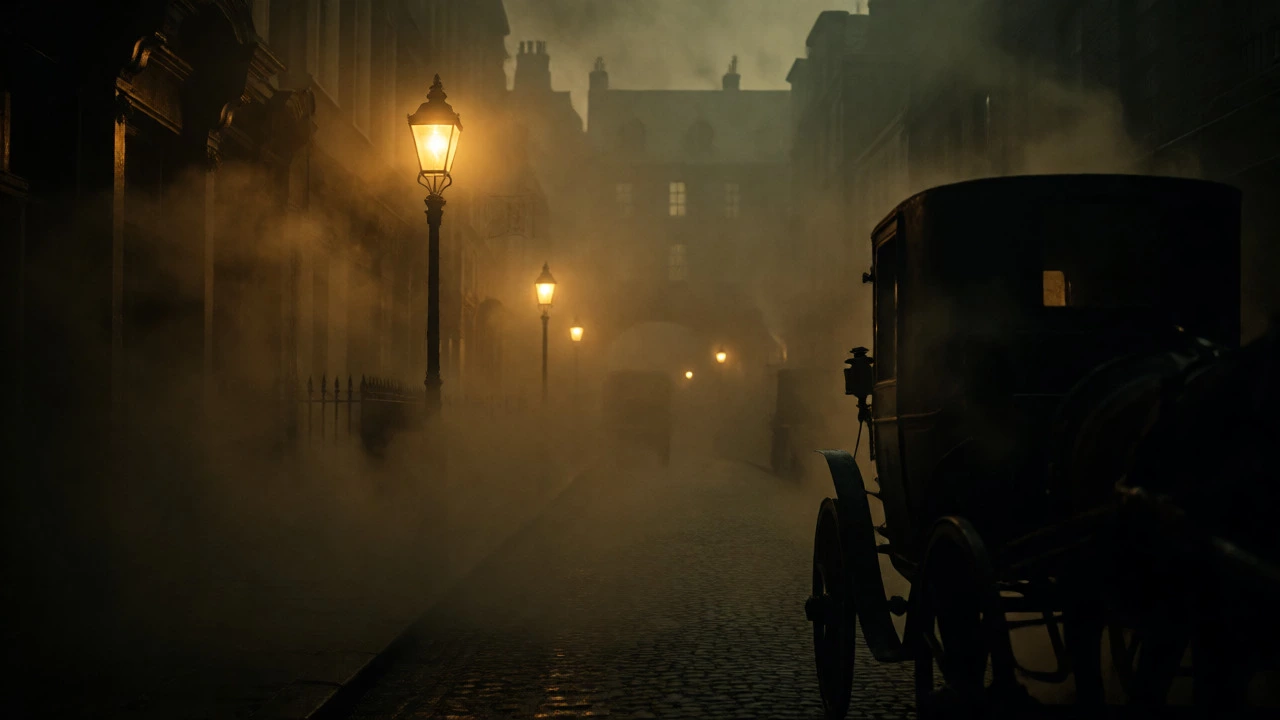
In most genres, the setting is just a backdrop. In historical fiction, the setting is often the antagonist or the catalyst for change. You can’t just say “it was London in 1850.” You have to show us the smell of coal smoke, the sound of horse hooves on cobblestones, and the specific texture of the fog.
Think about Hilary Mantel’s Wolf Hall. She doesn’t just tell you Thomas Cromwell is powerful; she shows you the claustrophobic tension of the Tudor court through the physical space-the narrow corridors, the lack of privacy, the constant threat of being overheard. The architecture dictates behavior. If you’re writing about the American South during the Civil War, the heat isn’t just weather; it’s a reason people move slowly, argue less, and drink more whiskey. Treat your time period as a living, breathing entity that restricts and enables your characters’ actions.
Authentic Language and Dialogue
This is where most writers trip up. You don’t need to write in Shakespearean English to make a book feel old. In fact, using archaic grammar incorrectly looks worse than using modern language. The goal isn’t perfect linguistic replication; it’s avoiding anachronisms that break immersion.
- Avoid modern slang: No one said “okay,” “cool,” or “no worries” in 1920. Check etymology dictionaries if you’re unsure when a word entered common usage.
- Match the rhythm: People in the past spoke differently based on their class and education. A servant in 18th-century France wouldn’t speak with the same sentence structure as a nobleman.
- Use period-appropriate metaphors: A sailor in the 1700s might compare a situation to a storm at sea, not a computer crash. Their frame of reference is their daily life.
Read primary sources-letters, diaries, newspapers-from your chosen era. Listen to the cadence. Then, simplify it for modern readers so they don’t get exhausted, but keep the flavor intact.
Characters Shaped by Their Time
Your protagonist cannot be a modern person dropped into the past. They must think, feel, and believe according to the worldview of their era. This is called period consciousness.
For example, a woman in 1950s Australia didn’t necessarily feel oppressed every second of her day. Many women genuinely valued domesticity and community roles. If you make her hate everything about her life just because modern feminism says she should, you’re projecting, not portraying. Her conflict should come from the limitations *she* perceives within her value system, not ours. Maybe she wants political power but believes God ordained her role as a mother. That internal struggle is far more interesting than simple rebellion.
| Aspect | Modern Character (Anachronistic) | Historical Character (Authentic) |
|---|---|---|
| View on Death | Tragic, unexpected, medical failure | Common, spiritual transition, inevitable |
| Social Mobility | Believes anyone can succeed with hard work | Accepts rigid class structures as natural law |
| Privacy | Values solitude and personal space | Values community oversight and family honor |
Accurate Material Culture
Details matter, but only the ones that affect the plot or mood. You don’t need to describe every button on a coat, but you do need to know if that coat has pockets. If your character reaches for a pocket that didn’t exist in 1600, you’ve lost the reader.
Material culture includes food, clothing, tools, and technology. Research these specifically. What did people eat? Not just “bread,” but what kind? Was it white flour (expensive) or dark rye (common)? How did they light their homes? Candles smelled bad and cost money, so people went to bed early. This affects pacing. Your characters can’t stay up all night reading unless they’re rich or desperate. These constraints drive the story.
The Socio-Political Context
No one lives in a vacuum. Even if your story is a romance, the war happening three towns over affects the price of sugar, the availability of men, and the general mood of the town. You must weave the larger historical events into the personal stakes of your characters.
Don’t info-dump. Instead of saying “The Great Depression started in 1929,” show the father selling his watch for bread. Show the mother stretching one chicken across four meals. The macro-history becomes real when it hits the micro-economy of your protagonist’s kitchen. If you’re writing about the French Revolution, the tension shouldn’t just be in the guillotine scenes; it should be in the whispering neighbors who fear being denounced.
Research Balance: The Iceberg Theory
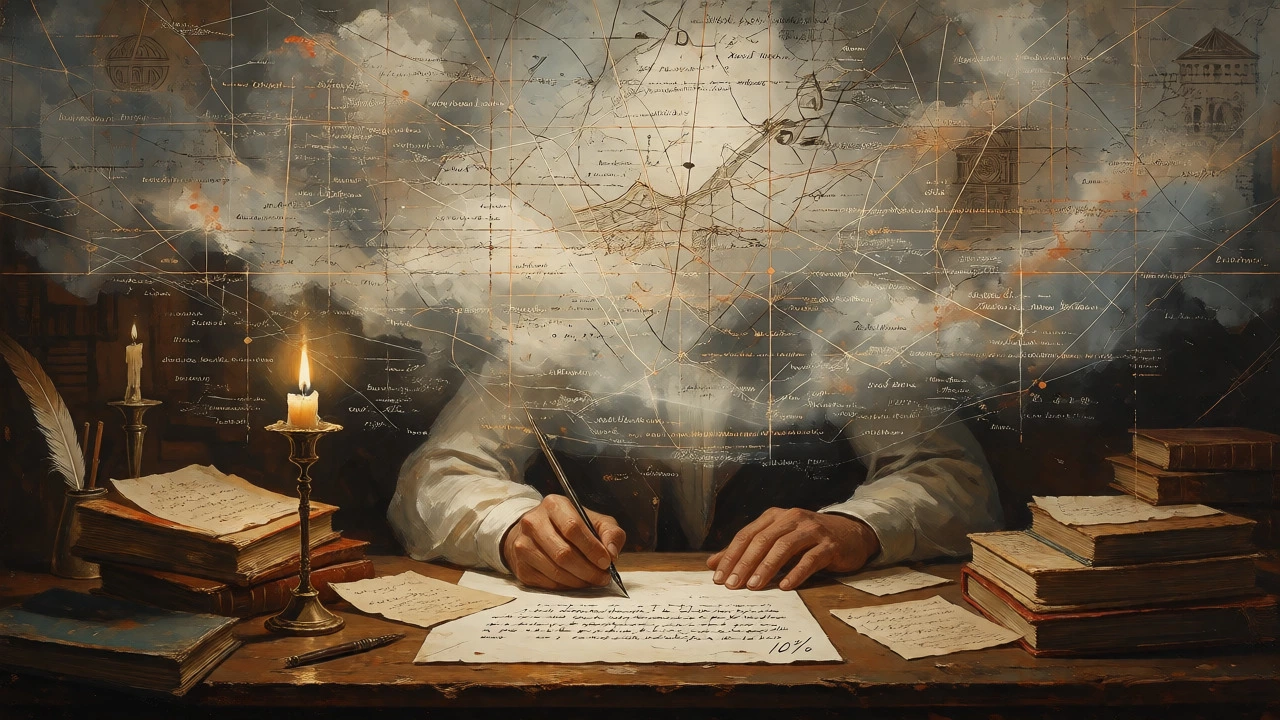
You will read fifty books to write one chapter. That’s normal. But here is the trap: showing off your research. Readers don’t care about the exact thread count of Egyptian linen unless it matters to the plot. Use the Iceberg Theory. Only 10% of your research should appear on the page; the other 90% supports the confidence behind your writing.
How do you know when to stop researching? When you can predict how a character would react to a new situation without looking it up. If you find yourself adding a paragraph about the history of the postal service just because you learned it, cut it. Keep only what serves the story.

Thematic Resonance with the Present
Why do we read historical fiction today? Because the past reflects our present. The best historical novels tackle universal themes-power, love, betrayal, survival-that resonate with modern audiences despite the time gap.
Consider Colson Whitehead’s The Underground Railroad. It’s set in the 1800s, but it speaks directly to modern conversations about systemic racism and freedom. When you choose your historical period, ask yourself: What current issue does this era illuminate? Are you exploring gender roles through the lens of the suffragette movement? Or corporate greed through the Gilded Age? This connection gives your story purpose beyond nostalgia.
Pitfalls to Avoid
Even experienced writers fall into these traps. Watch out for:
- The Tour Guide Syndrome: Characters explaining things they already know to each other (“As you know, Bob, the King died last Tuesday…”).
- Romanticizing the Past: Ignoring the filth, disease, and cruelty because they’re uncomfortable. History wasn’t always pretty.
- Anachronistic Values: Making your hero a feminist icon in 1500 without showing the social cost they paid for thinking that way.
Frequently Asked Questions
Do I need to be a historian to write historical fiction?
No, you don’t need a PhD. You need curiosity and discipline. Most successful authors are autodidacts who learn enough to be convincing. Focus on becoming an expert in your specific niche (e.g., “Victorian London street life”) rather than a generalist.
How much historical accuracy is required?
It depends on your subgenre. Literary historical fiction demands high fidelity. Alternate history allows for deviations. However, even in alternate history, the rules you establish must remain consistent. Never break a rule you’ve set just for convenience.
Can I use real historical figures as main characters?
Yes, but it’s risky. Real figures have known biographies that limit plot options. Often, it’s easier to create fictional protagonists who interact with real figures. This gives you creative freedom while maintaining historical context.
What is the biggest mistake beginners make?
Over-researching and under-writing. Beginners spend years gathering facts and never finish the draft. Start writing with placeholder details, then fill in the gaps later. Momentum is more important than perfection in the first draft.
How do I handle outdated language or insults?
Use them if they are historically accurate, but provide context. If a term is offensive today but neutral then, let the surrounding dialogue clarify its meaning. Don’t sanitize history, but don’t gratuitously shock either. Serve the character’s voice.