Reading Engagement & Interest Estimator
Based on the article "Why Kids Don't Like Reading Anymore," this tool helps you identify barriers and opportunities for your child. Answer honestly to get personalized insights.
Your Child's Reading Profile
Higher scores indicate easier entry points for reading.
Key Insights
Recommended Next Steps
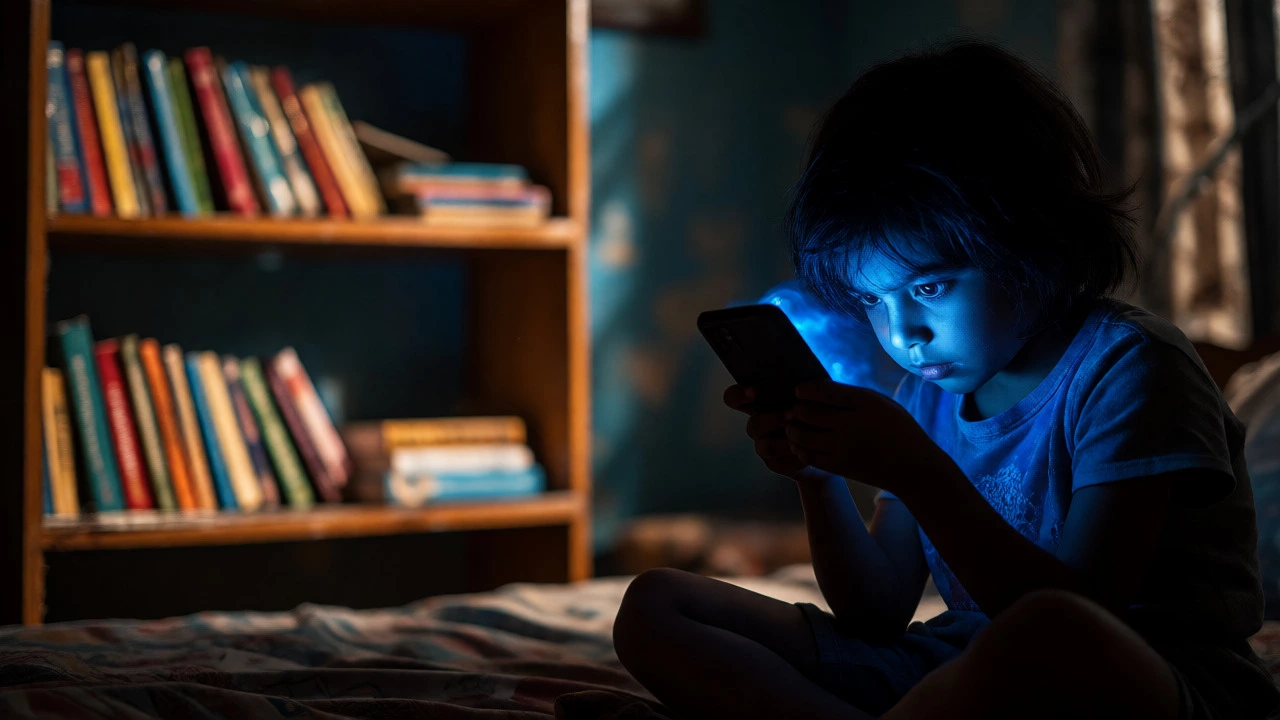
You walk into a library or look at your child’s bedroom, and it feels like a museum. The books are there, spines intact, gathering dust. But the eyes? They’re glued to a glowing rectangle. It’s not that kids have suddenly forgotten how to read. In fact, they are reading more words per day than any generation before them-captions, comments, subtitles, chat messages. So why does the idea of picking up a novel feel like pulling teeth? The disconnect isn’t about ability; it’s about attention architecture.
We need to stop blaming lazy kids and start looking at the environment we built for them. The modern brain is being rewired by digital media, which offers immediate dopamine hits that a slow-burning plot simply can’t match initially. This article breaks down the real reasons behind the shift in youth literacy preferences, moving beyond "screens are bad" to understand the cognitive and social factors at play.
The Dopamine Gap: Instant vs. Delayed Gratification
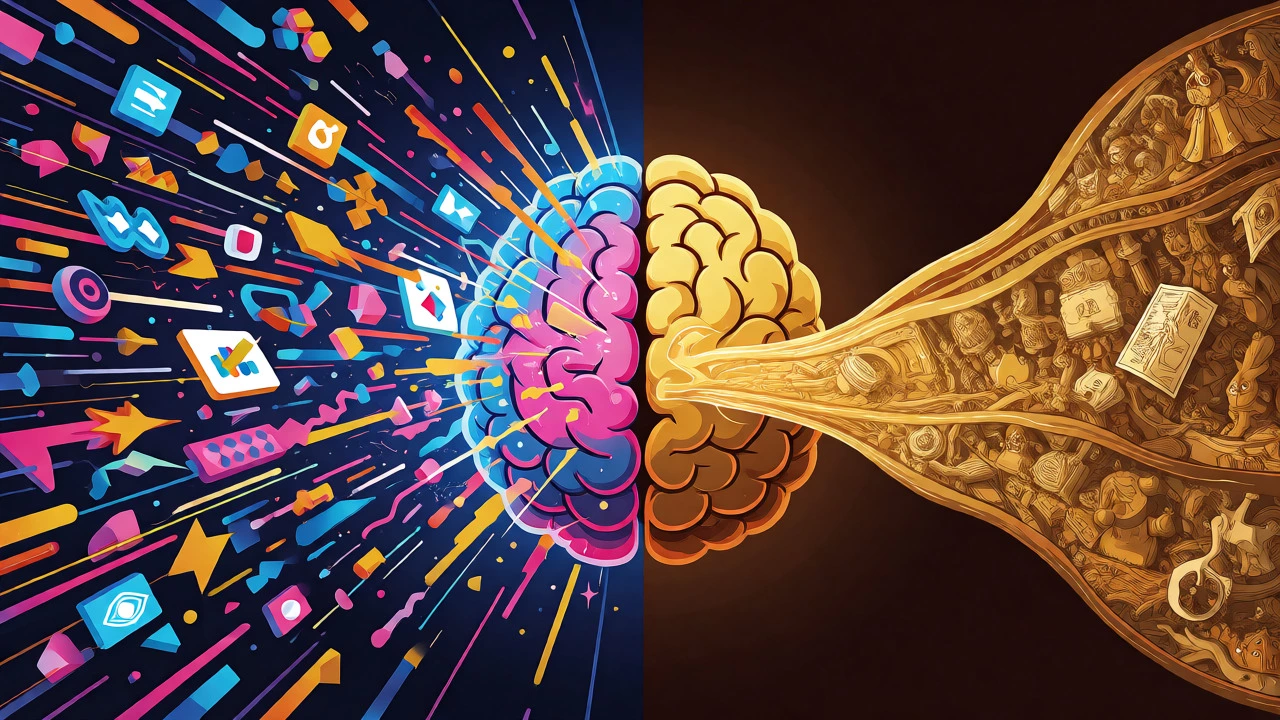
Think about how a TikTok video works. You swipe, and within two seconds, you know if you like it. If not, swipe again. The feedback loop is instant. Now compare that to opening a chapter book. You might spend ten pages setting up characters before anything exciting happens. For a developing brain accustomed to high-frequency stimulation, this delay feels painful, almost boring.
This isn’t just an anecdotal observation. Neuroscientists refer to this as the difference between short-form content and long-form narrative processing. Short-form content triggers quick spikes of reward chemicals. Long-form reading requires sustained attention, which is a muscle that has been neglected in many households. When a kid says they "don’t like reading," they often mean they don’t like the effort required to get past the initial boredom threshold.
It’s not that they can’t focus. Watch a kid binge-watch a series with complex lore. They remember every character name and plot twist. The issue is passive consumption versus active imagination. Reading forces the brain to construct the world. Watching lets the brain receive it. One is work; the other is entertainment. And let’s be honest-who wants to do homework on a Friday night?
The Algorithmic Echo Chamber
Before the internet, your reading choices were limited by what was on the shelf at your local library or bookstore. You stumbled upon things by accident. Today, algorithms curate our lives. If a kid watches one video about Minecraft, the platform feeds them five more. This creates a comfort zone. Stepping outside that zone feels risky and unfamiliar.
Recommendation engines are designed to keep you engaged, not necessarily to challenge you. For adults, this means endless scrolling through similar news articles. For kids, it means sticking to familiar tropes and avoiding the friction of new genres. A reluctant reader isn’t rejecting literature; they are rejecting the uncertainty of not knowing if they will like a book within the first minute.
This algorithmic bias also affects social status. What is popular online becomes the default cultural currency. If everyone is talking about a specific YouTube creator, reading a classic novel doesn’t offer the same social return on investment. Books used to be the primary source of shared cultural references. Now, memes and viral videos hold that spot. Why read a 300-page fantasy epic when you can understand the joke in a 15-second clip?
School Kills the Joy (The Mandatory Reading Problem)
Let’s talk about school. For many children, reading is synonymous with punishment. It’s the thing you do because the teacher said so, followed by a worksheet asking you to identify the main theme. This turns a potential passion into a chore.
Educational systems often prioritize comprehension testing over enjoyment. We teach kids to dissect a frog until it dies, rather than letting them watch it swim. When reading is always associated with assessment, the intrinsic joy evaporates. Kids learn to scan for answers rather than immerse themselves in stories. Once they leave the classroom structure, they associate books with stress, not relaxation.
| Factor | School Context | Leisure Context |
|---|---|---|
| Goal | Pass test / Get grade | Escape / Entertainment |
| Pace | Forced / Deadline-driven | Self-paced / Flexible |
| Choice | Limited / Assigned titles | Unlimited / Personal interest |
| Outcome | Anxiety / Resentment | Curiosity / Satisfaction |
The solution isn’t to ban school reading lists, but to separate them clearly from leisure reading. Parents need to fight for "reading for fun" to remain ungraded. If a kid reads a graphic novel about superheroes, that counts. If they read a fan-fiction wiki entry, that counts. Validating their choices builds confidence.
The Accessibility Paradox
Here is a strange irony: books are more accessible than ever, yet kids read less. You can buy any book instantly on Amazon. Libraries have massive digital catalogs. Audiobooks are everywhere. Yet, the barrier to entry feels higher.
Part of this is choice paralysis. With millions of options, deciding what to read becomes overwhelming. Adults struggle with this too-we spend forty minutes choosing a movie on Netflix and then fall asleep. Kids face the same fatigue. Without guidance, they default to the easiest option: turning on the TV or opening a game.
Additionally, the physical act of holding a book competes with devices that are always within arm’s reach. A phone charges next to the bed. A tablet sits on the couch. A bookshelf is often tucked away in a corner. Visibility matters. If books aren’t integrated into the daily visual landscape of the home, they become invisible objects.
Reframing the Definition of "Reader"
We need to broaden our definition of what it means to be a reader. Many kids who claim to hate reading actually consume vast amounts of text. They read game wikis, Reddit threads, Discord chats, and comic apps. This is valid literacy. The skills involved-decoding symbols, understanding context, following narratives-are the same ones used in traditional books.
Graphic novels and manga are particularly effective bridges. They combine visual cues with text, lowering the cognitive load while maintaining narrative depth. Series like Smile by Raina Telgemeier or Naruto have hooked millions of reluctant readers. These formats respect the way modern brains process information: visually and quickly.
Audiobooks are another powerful tool. Listening to a story activates different parts of the brain than silent reading, but it still builds vocabulary and narrative comprehension. For kids with dyslexia or ADHD, audiobooks remove the decoding barrier, allowing them to enjoy the story itself. Dismissing audio as "cheating" ignores its educational value.

Actionable Steps for Parents and Educators
If you want to reignite a spark, you have to change the approach. Stop forcing. Start inviting.
- Model the behavior: Let your kids see you reading for pleasure, not just working on a laptop. Make reading visible and enjoyable.
- Remove the guilt: Never make reading a punishment. If they refuse to read, don’t take away screens as a penalty. That links books with loss.
- Follow their interests: If they love soccer, find books about soccer stars. If they love gaming, try game-related fiction. Meet them where they are.
- Try audiobooks: Use car rides or bedtime to introduce audio storytelling. It’s low-pressure and highly engaging.
- Create a cozy nook: Designate a comfortable space for reading, free from device charging cables. Make it an oasis, not a study zone.
Remember, the goal isn’t to produce perfect readers who finish classics. The goal is to foster a relationship with language that enriches their lives. If they read ten comics a week, they are practicing literacy. Celebrate that. The deep dive into prose will come when they are ready, and likely triggered by a topic they genuinely care about.
Frequently Asked Questions
Is watching movies better than reading books for kids?
Neither is inherently "better." Movies provide visual storytelling and emotional resonance without requiring active imagination construction. Reading strengthens neural pathways related to focus, empathy, and abstract thinking. The best approach is balance, ensuring kids experience both forms of narrative engagement.
Do e-books count as reading?
Yes, absolutely. E-books offer the same textual content as print. While some studies suggest print aids retention for complex texts, e-books increase accessibility and convenience. For reluctant readers, the ability to adjust font size and background color on an e-reader can significantly reduce barriers to entry.
How much screen time is okay for a child who hates reading?
There is no magic number, but quality matters more than quantity. Passive scrolling is less beneficial than interactive learning or creative gaming. Try implementing a "read-then-screen" rule where 15 minutes of reading unlocks 30 minutes of screen time, making reading a gateway rather than a chore.
What if my child only wants to read funny books?
That is a great starting point. Humor engages kids and reduces anxiety around reading. Authors like Dav Pilkey (Dog Man) or Jeff Kinney (Diary of a Wimpy Kid) are successful precisely because they prioritize entertainment. Depth can be added later once the habit is established.
Does listening to audiobooks help with literacy?
Yes. Audiobooks improve vocabulary, pronunciation, and listening comprehension. They allow kids to access stories above their current decoding level, keeping them motivated. For many children, audio is the bridge that eventually leads to independent reading.