Social Criticism in Books: What It Is and Why It Matters
When you read a novel that makes you uncomfortable, that’s often social criticism, the use of literature to question power structures, expose injustice, and challenge societal norms. Also known as literary criticism through narrative, it doesn’t preach—it shows. It’s in the quiet moment when a character realizes their neighborhood was never meant to thrive, or when a system rewards the rich and punishes the honest. This isn’t just storytelling—it’s a mirror held up to society.
Books that do social criticism don’t need protest signs. They use characters, settings, and plot to reveal what’s broken. Think of a story where a hardworking parent can’t afford medicine, or where a child’s future is decided by their last name. These aren’t accidents—they’re choices by the author to point at real-world failures. Systemic injustice, the embedded patterns of disadvantage built into institutions like education, law, or housing shows up in fiction when a character keeps hitting walls no matter how hard they try. And inequality in literature, how wealth, race, gender, or class shape who gets heard and who gets erased is often the heartbeat of these stories. You’ll find it in the silence between lines, in who gets a happy ending and who doesn’t.
Some of the most powerful books ever written aren’t famous because they’re exciting—they’re famous because they made people change their minds. A story about a woman trapped in a marriage isn’t just about love; it’s about control. A tale about a factory worker doesn’t just describe labor—it reveals how profit is built on silence. These aren’t niche topics. They’re everywhere in modern fiction, especially in books that refuse to look away. You’ll find them in stories that tackle poverty, racism, gender roles, and the cost of progress. They don’t offer easy answers. They ask hard questions: Who benefits? Who pays? And why do we let it keep happening?
What you’ll find in this collection isn’t a list of protest books. It’s a look at how fiction quietly pulls back the curtain. Whether it’s a romance that exposes emotional manipulation as a form of control, a fantasy that mirrors caste systems, or a thriller that shows how power hides in plain sight—these stories use narrative to do what speeches can’t. They make you feel the weight of injustice before you even name it. And that’s why they stick with you long after the last page.
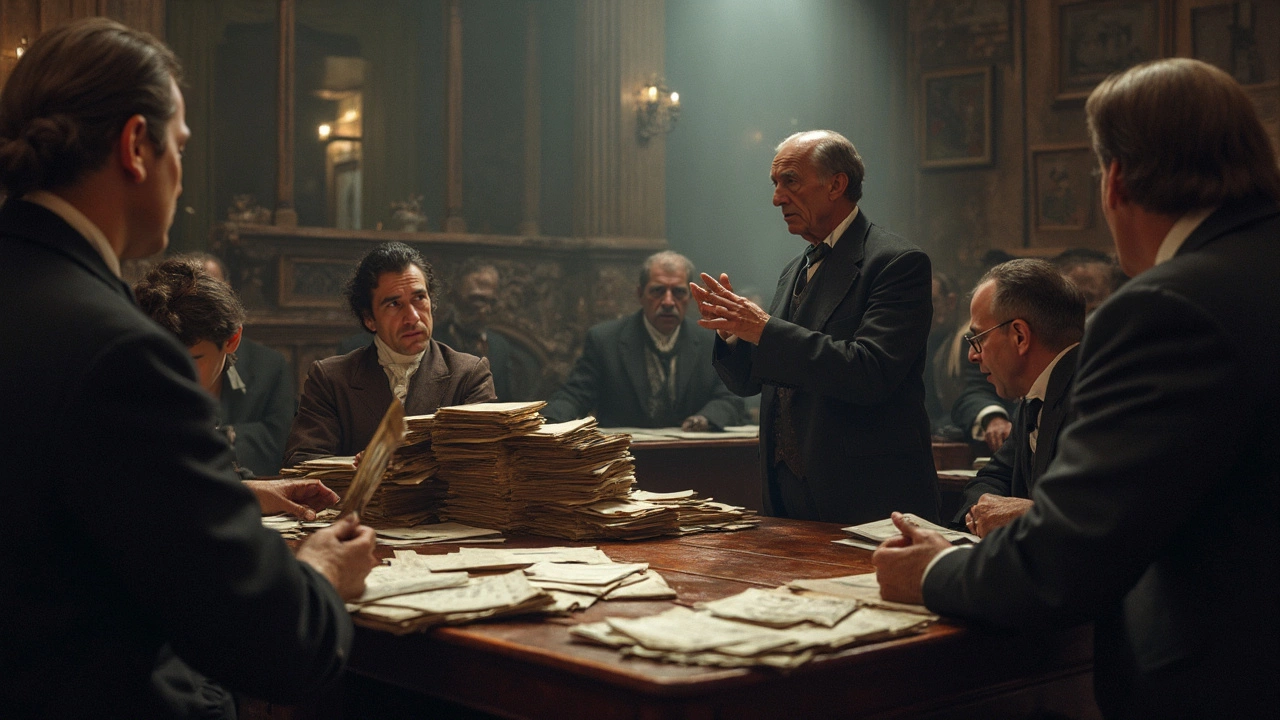
Dickens' Main Message in Bleak House: Corruption, Justice, and Hope
This article unpacks the main message Charles Dickens delivers in 'Bleak House.' It digs into how Dickens uses the novel to challenge the legal system, highlight social injustice, and call for change in Victorian England. You'll see how he weaves stories of real people caught in endless bureaucracy and uses memorable characters to bring these problems to life. Get practical insights into the themes, facts about the era, and tips for understanding Dickens' style. Perfect for anyone wanting to grasp what's truly at the heart of 'Bleak House.'