Reading Education: How Books Shape Learning and Thinking
When we talk about reading education, the structured process of teaching people to read, understand, and use books for learning and growth. Also known as literacy development, it’s not just about decoding words—it’s about training the brain to think deeply, connect ideas, and question what’s written. Most schools focus on the mechanics—phonics, vocabulary, comprehension tests—but real reading education happens when someone picks up a book because they want to, not because they have to.
That’s why cognitive development, how the brain grows in ability to process information, solve problems, and retain knowledge through experience is so tied to reading. Studies show that people who read regularly don’t just get smarter—they get better at focusing, remembering details, and spotting patterns. It’s not magic. It’s neuroplasticity: your brain rewires itself every time you finish a chapter. And it’s not just about fiction. Whether it’s a historical novel, a psychology book, or even a well-written biography, each one builds mental muscle in different ways. The same brain that tracks a character’s emotional arc in a romance novel is also learning how to read between the lines in real life.
Then there’s literacy, the ability to read, write, and understand information across different formats and contexts. It’s not just about knowing how to read a sentence. True literacy means you can tell the difference between opinion and fact, spot bias in a narrative, or understand why a character’s actions make sense in their world—even if you’d never act that way. That’s the kind of literacy that turns readers into thinkers. And it’s why so many adults are drawn to YA fiction or dark romance: they’re not escaping reality—they’re learning how to navigate it.
What’s missing from most reading education programs? Choice. Pressure. The idea that you have to read a certain way, or a certain number of books, to be "good" at it. The best readers aren’t the ones who finished the most books—they’re the ones who kept coming back because reading felt like something they needed, not something they were forced to do. That’s why the posts here cover everything from how reading boosts IQ to why adults love YA novels. It’s not about grades or tests. It’s about finding the books that make you feel less alone, more curious, or finally understood.
You’ll find real stories here—not theories. Like how reading historical fiction helps people understand today’s politics, or how soft skills like empathy grow when you live inside someone else’s head for 300 pages. You’ll see how the brain changes when you read daily, why some people get overwhelmed by too much information, and what really makes a book stick with you long after the last page. This isn’t a checklist. It’s a map to what reading actually does—and why it still matters, more than ever, in a world that wants you to scroll instead of think.
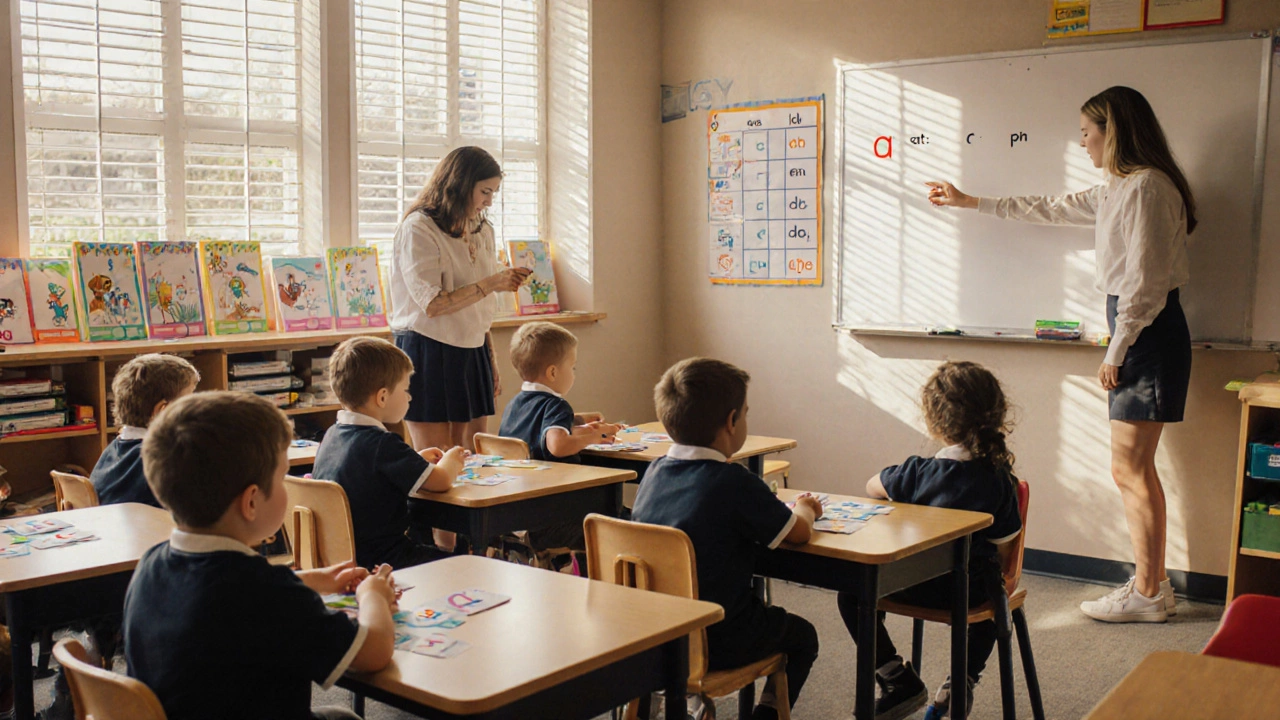
Are phonics still taught in schools today?
Phonics is still taught in many schools, but not always well. Learn how it works, where it’s thriving, and why it’s critical for every child’s reading success.