Gender Stereotypes in Books: How Stories Reinforce and Challenge Roles
When we talk about gender stereotypes, fixed beliefs about how men and women should behave, think, or feel based on their gender. Also known as gender roles, these ideas show up everywhere—in ads, in movies, and especially in books. They’re not just outdated ideas. They’re woven into plots, character arcs, and even the way authors write dialogue. Think of the damsel in distress, the stoic male hero who never cries, or the nagging wife who ruins everything. These aren’t accidents. They’re patterns repeated for decades.
But here’s the thing: books don’t just reflect society—they shape it. When every romance novel puts the woman in tears and the man in control, it teaches readers that emotion is weakness and power is masculine. When YA books make girls choose between being smart or being liked, they quietly tell a generation that success has a gender. And when dark romance glorifies control as love, it blurs the line between passion and abuse. These aren’t just stories. They’re lessons in disguise. But the tide is turning. More writers are flipping the script: giving men space to grieve, women the chance to be ruthless, and non-binary characters the spotlight they’ve always deserved. The rise of feminist fiction, stories that challenge traditional gender norms and center women’s agency. Also known as women-centered narratives, these books don’t just ask for equality—they demand it. Meanwhile, toxic masculinity, the harmful cultural expectation that men must be dominant, unemotional, and in control at all times. Also known as male emotional suppression, it’s being dissected in novels where men cry, ask for help, and fail without shame. And female representation, the way women are portrayed in literature—not just as mothers, lovers, or victims, but as complex, flawed, powerful individuals. Also known as authentic female characters, it’s no longer enough to have a woman lead. She needs depth, contradictions, and real choices.
What you’ll find in this collection isn’t a lecture on politics. It’s a look at how real books—by real authors—are quietly rewriting the rules. From romance novels that ditch the billionaire trope to thrillers where the killer isn’t a man in a mask, these stories are showing us what’s possible when we stop writing people based on their gender. You’ll see how readers are responding, how publishers are shifting, and why the next generation of readers won’t accept the old scripts. This isn’t about canceling stories. It’s about expanding them.
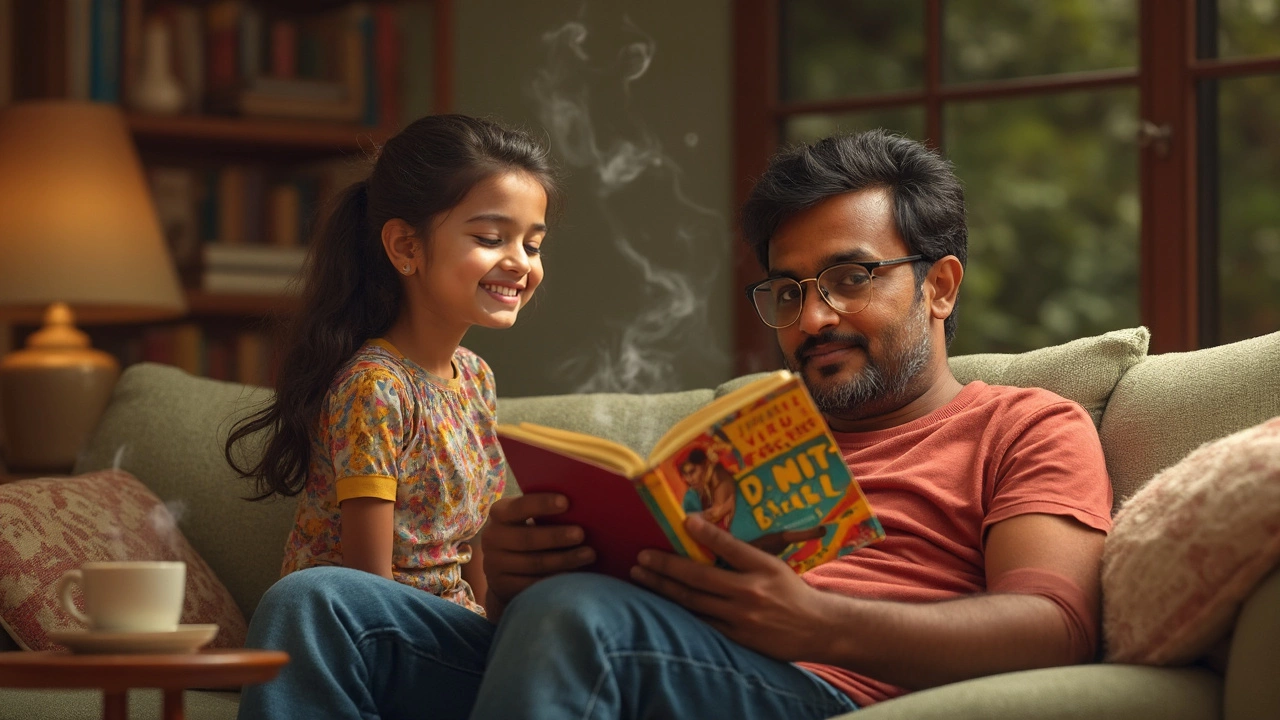
Is It Weird for a Guy to Read Romance Books?
Are guys who read romance books really that rare? This article looks into whether it's weird for men to enjoy a good love story, breaking down common stereotypes and bringing some facts to light. Find out who’s actually reading these books, why more guys are secretly into them, and what they get out of the stories. Get simple tips on how men can start reading romance without feeling awkward. Real talk from a dad who’s gotten more than a few odd stares for picking up a steamy paperback.