Character Analysis: Understand Fictional People Like a Pro
When you read a book and a character sticks with you long after you turn the last page, that’s not luck—it’s character analysis, the process of examining a fictional person’s motives, actions, relationships, and growth to understand their role in the story. Also known as literary analysis of characters, it’s how you move past surface-level plots and start seeing the human truths hidden in fiction. This isn’t just for students or critics. It’s for anyone who’s ever cried over a book, argued about a villain’s choices, or wondered why a hero changed their mind.
Good character development, the deliberate crafting of a fictional person’s personality, background, and transformation over time doesn’t happen by accident. Writers use tools like inner conflict, flawed decisions, and emotional arcs to make characters feel real. Think of Nora Roberts’ heroes—they don’t just fall in love, they heal from grief. Or the anti-heroes in dark romance, a genre where love is tangled with power, trauma, and moral ambiguity. These aren’t just tropes. They’re psychological studies wrapped in romance novels. Even in historical fiction, stories set in the past that use real events as a backdrop for imagined lives, characters carry the weight of their time. Their choices reflect societal pressures, gender roles, or class struggles you won’t find in a textbook.
Why does this matter? Because when you learn to read characters like a detective, you start seeing patterns—not just in books, but in real life. The overwhelmed introvert in one story? The quiet rebel in another? They’re not random. They’re built from the same human blueprint: fear, desire, loyalty, shame. You’ll find this in YA novels where teens are really adults in disguise, in psychological thrillers where the narrator can’t be trusted, and in bildungsroman stories like Harry Potter, where growth isn’t magic—it’s messy, painful, and slow.
What you’ll find below isn’t a list of definitions. It’s a collection of real examples—how Dune turns belief into power, why Fifty Shades Darker crosses a line, how The Alchemist feels like self-help without calling itself that. These posts don’t just describe characters. They show you how to pull apart their choices, spot the hidden layers, and understand why some stories stay with you forever. You’re not just reading about people in books. You’re learning how to read people—period.
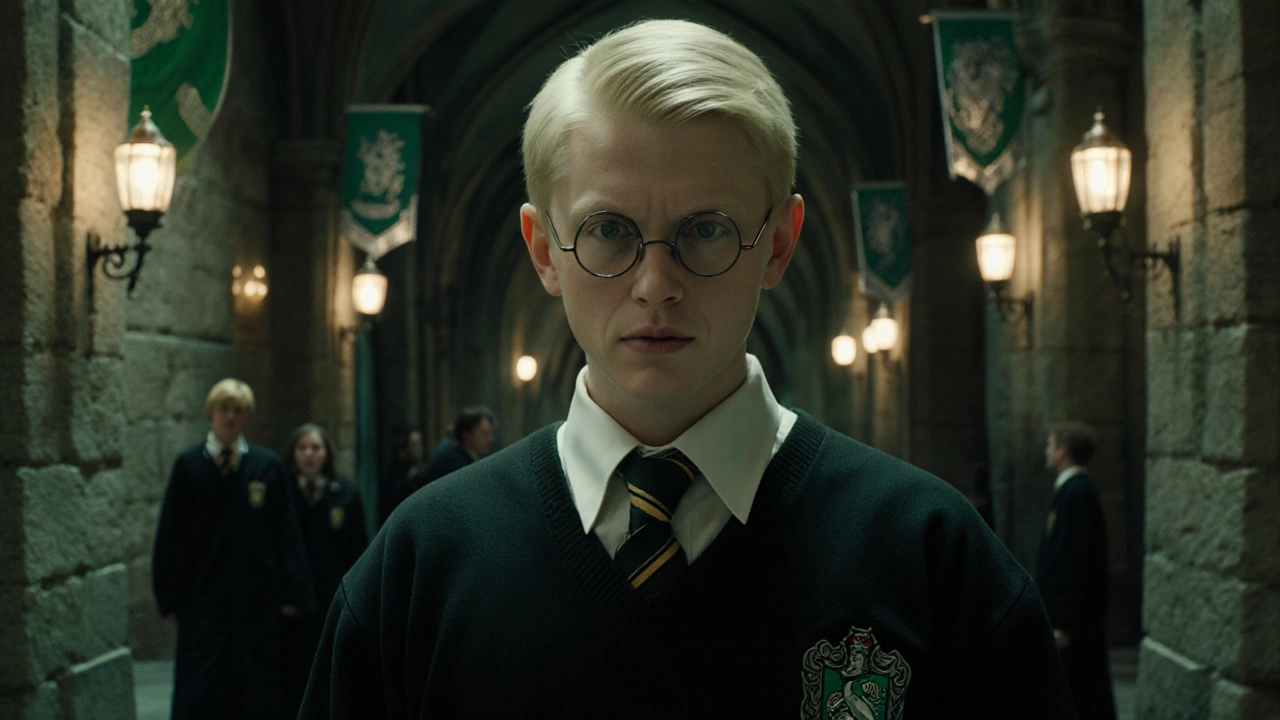
Is Draco Malfoy a Minor Character? Harry Potter Character Analysis
Explore Draco Malfoy's role in Harry Potter, measuring his screen‑time, plot impact, and character growth to determine if he truly is a minor character.