Censorship in Books: What’s Banned, Why, and Who Decides
When a book gets pulled from shelves or classrooms, it’s not just about content—it’s about censorship, the suppression of ideas deemed unacceptable by those in power. Also known as book banning, it happens when someone decides what others can or cannot read—and often, it’s not about protecting children, but about controlling narratives. This isn’t new. From *To Kill a Mockingbird* to *The Harry Potter* series, books have been challenged for sex, violence, religion, politics, and even for making people uncomfortable. But censorship doesn’t just disappear when a book is removed—it echoes in the silence that follows.
Freedom of speech, the right to express ideas without government interference. Also known as free expression, it’s the backbone of open societies—and the first thing that cracks when censorship starts. In India, where diverse languages, religions, and political views coexist, censorship often comes from pressure groups, school boards, or even state authorities who label books as "objectionable." But who gets to decide what’s offensive? A parent? A politician? A religious leader? The answer is rarely transparent. And when books on history, romance, or even science get flagged for being "too controversial," it’s not just the book that loses—it’s the reader’s ability to think for themselves.
Literary censorship, the targeted removal of books based on ideological, moral, or political grounds. Also known as ideological suppression, it often targets stories that challenge power, question tradition, or give voice to marginalized groups. Look at the posts below: you’ll find discussions on dark romance, historical fiction, and YA novels—all genres that have faced bans or backlash. Why? Because they show real people, real emotions, and real conflicts. Censorship doesn’t just target explicit content—it targets truth. And truth, especially in fiction, is dangerous to those who want to control how people see the world.
What you’ll find here isn’t just a list of articles—it’s a collection of voices pushing back. From debates on why *Fifty Shades Darker* got an R rating to how historical fiction gets rewritten to fit comfortable myths, these posts show how censorship hides in plain sight. It’s not always a burning book. Sometimes, it’s a quiet decision to stop stocking a title, to remove it from a syllabus, or to label it "not suitable." But readers don’t stay silent forever. They find the books. They talk about them. And they keep reading.
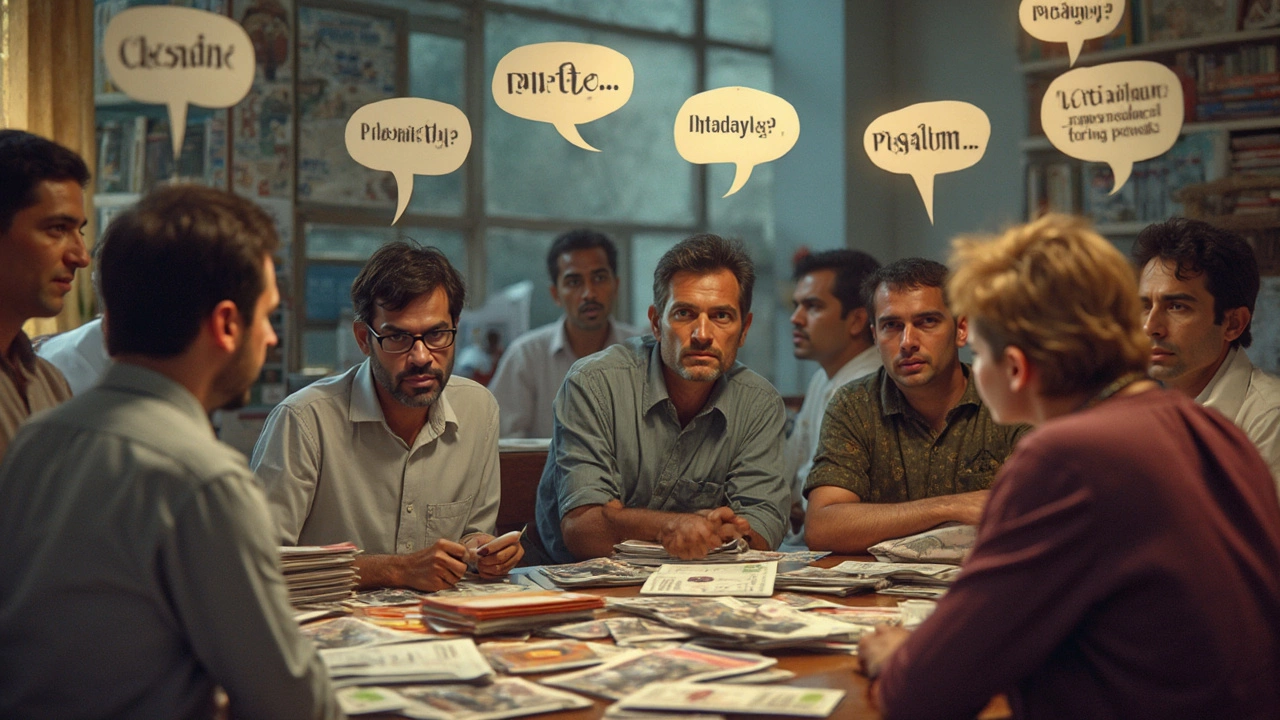
Reader's Digest Controversy: The Truth Behind the Headlines
Reader's Digest has been caught in several controversies over the years, from censorship and biased reporting to accusations of plagiarism and declining readership. This article unpacks the issues that have put the magazine in the spotlight, sharing real stories and useful tips to spot bias when reading. We’ll dig into how these controversies affect trust in popular magazines and what readers can do to find reliable content. Get the facts on the heated debates and learn how they shape the publishing world right now. Plus, find out what Reader's Digest is doing today to address its critics.