Young Adult Fiction: What It Is, Who Reads It, and Why It Matters
When we talk about young adult fiction, a category of literature aimed at readers aged 12 to 18, but often consumed by people of all ages. Also known as YA, it’s not just about teenagers—it’s about the messy, powerful moments when people start figuring out who they are. These stories don’t shy away from real struggles: first love, family pressure, identity crises, mental health, and finding your place in the world. That’s why they stick with you long after you turn the last page.
Young adult fiction sits between middle grade fiction, books for kids aged 8 to 12 that focus on friendship, family, and early adventures. Also known as MG, and New Adult, a newer category targeting 18- to 25-year-olds dealing with college, first jobs, and adult relationships. Also known as NA. The lines blur sometimes—Harry Potter starts as MG but ends up feeling like YA. Fourth Wing pushes into New Adult territory with its darker themes and mature relationships. But YA? It’s the sweet spot where the world feels huge, and every choice matters.
What makes YA so powerful isn’t the age of the characters—it’s the emotional truth. These books don’t talk down to readers. They let them feel lost, angry, hopeful, or in love without judgment. That’s why a 20-year-old might still cry over a YA novel, or why a 40-year-old picks one up after a long day. It’s not about being a teen—it’s about remembering what it felt like to be one.
And it’s not slowing down. In 2025, YA is still dominating bestseller lists, pushing boundaries with diverse voices, LGBTQ+ stories, and genre-bending plots. Whether it’s a fantasy world where magic is tied to survival, or a quiet coming-of-age tale about grief and guitar lessons, YA gives space for stories that feel personal and urgent.
You’ll find here deep dives into what makes YA different from MG or New Adult, why adults keep reading it, how themes like identity and growth shape the genre, and even whether Harry Potter really belongs on the YA shelf. We’ll break down the age labels, unpack the trends, and show you why these books aren’t just for teenagers—they’re for anyone who’s ever felt like they’re figuring things out as they go.
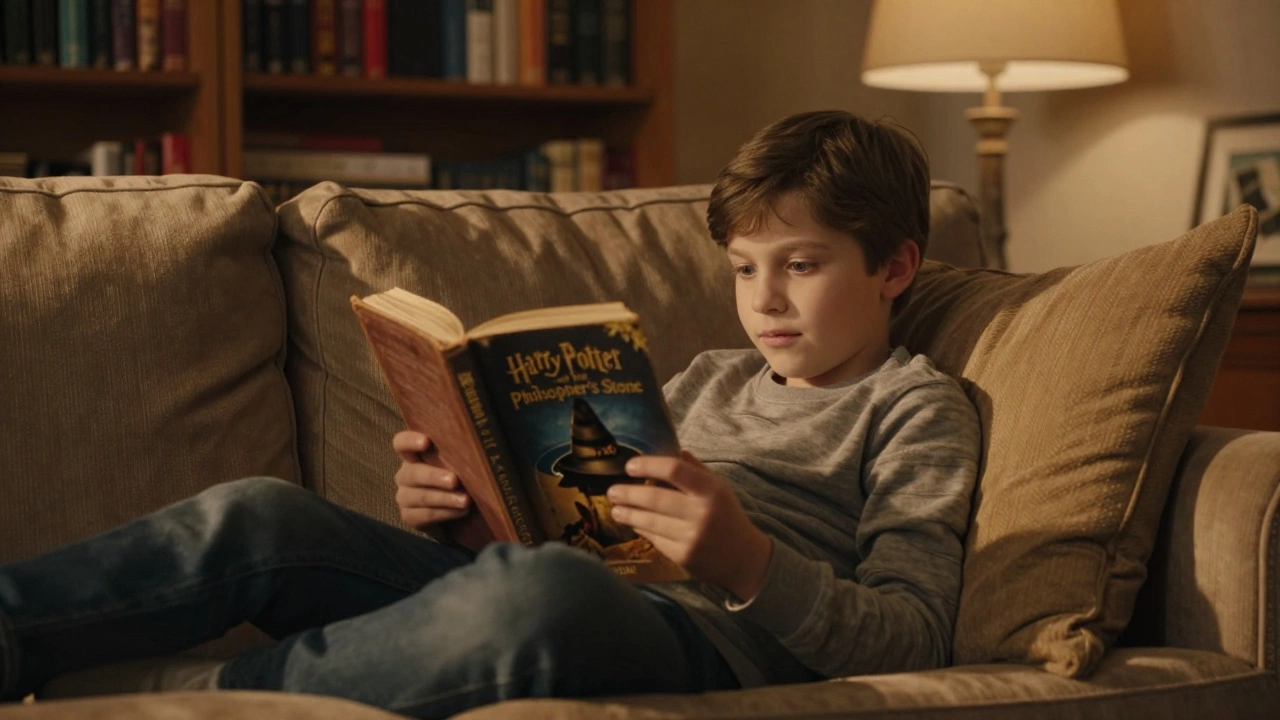
What Age Is Appropriate for Harry Potter Books?
There's no one right age to start Harry Potter, but most kids read them independently between 9 and 12. Read-alouds can begin as early as 7, while teens often discover deeper meaning later. The series grows with the reader.
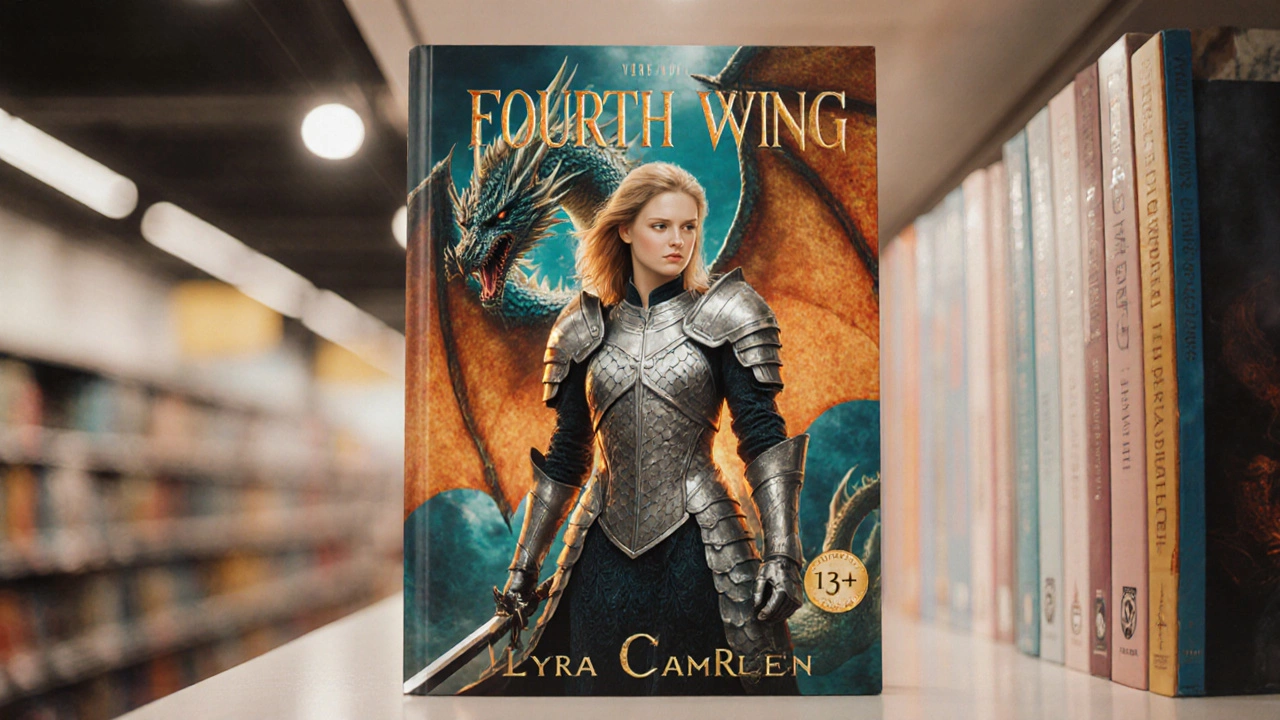
Is Fourth Wing YA or New Adult? A Deep Dive into Age‑Category Labels
Explore whether Fourth Wing fits Young Adult or New Adult, covering definitions, publisher tags, themes, length, and reader feedback in a detailed guide.
Unpacking the Main Theme of Young Adult Fiction: Identity, Growth, and Change
Discover the core theme of young adult fiction—identity, growth, and change. Explore why YA books matter and how these themes shape both stories and readers.

Should Adults Read YA? Why 20-Year-Olds Are Still Hooked on Young Adult Books
Are you 20 and still loving YA books? Here’s why it’s totally normal (even awesome), what YA offers, and the science behind adults reading YA.
Is Harry Potter Really a Young Adult Book? Breaking Down the Magic
Is Harry Potter truly a young adult series? We dig deep into its age group, themes, marketing tricks, and reader debates—plus, what makes a book ‘YA’ at all.
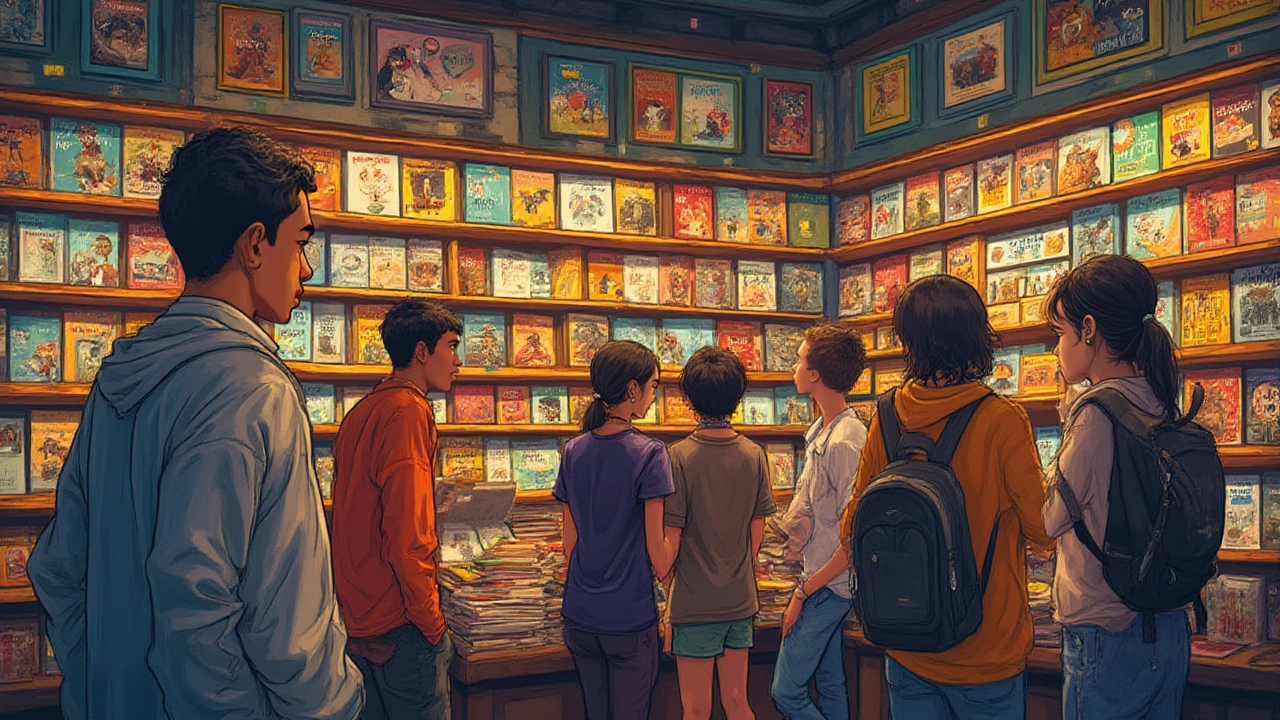
Is Young Adult Fiction Still Popular in 2025?
A deep look at the popularity of young adult fiction in 2025, covering key trends, bestseller lists, new genres, and what makes YA books so addictive today.
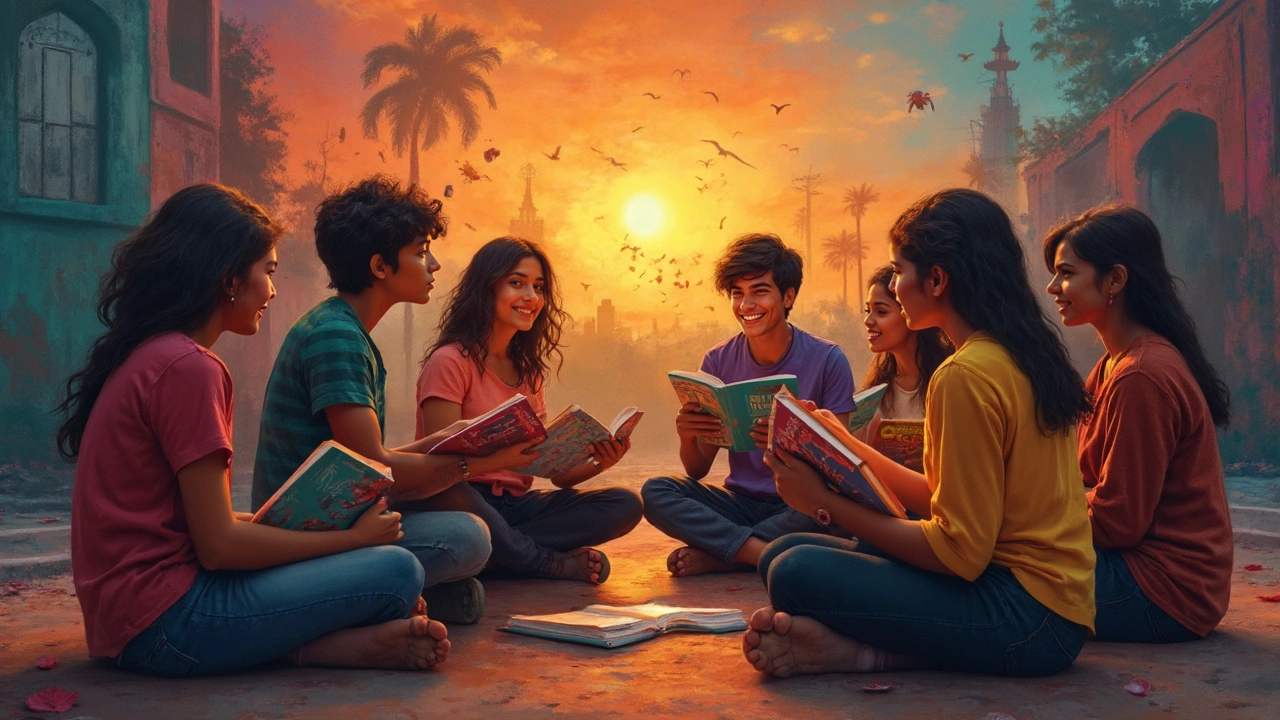
What Defines Young Adult Fiction? Key Elements Unpacked
Young adult fiction isn't just about teen characters—it's a fast-moving mix of themes, styles, and real-life challenges that keep readers turning the pages. This article breaks down what truly sets YA fiction apart from other genres and explains why it's so popular, even with adults. If you've ever wondered why some stories land on the YA shelf, you'll find straight-up answers here. Expect examples, tips on writing and reading YA, and a look at what keeps this category fresh and addictive. Curious about why that one book struck such a chord? You'll get it.
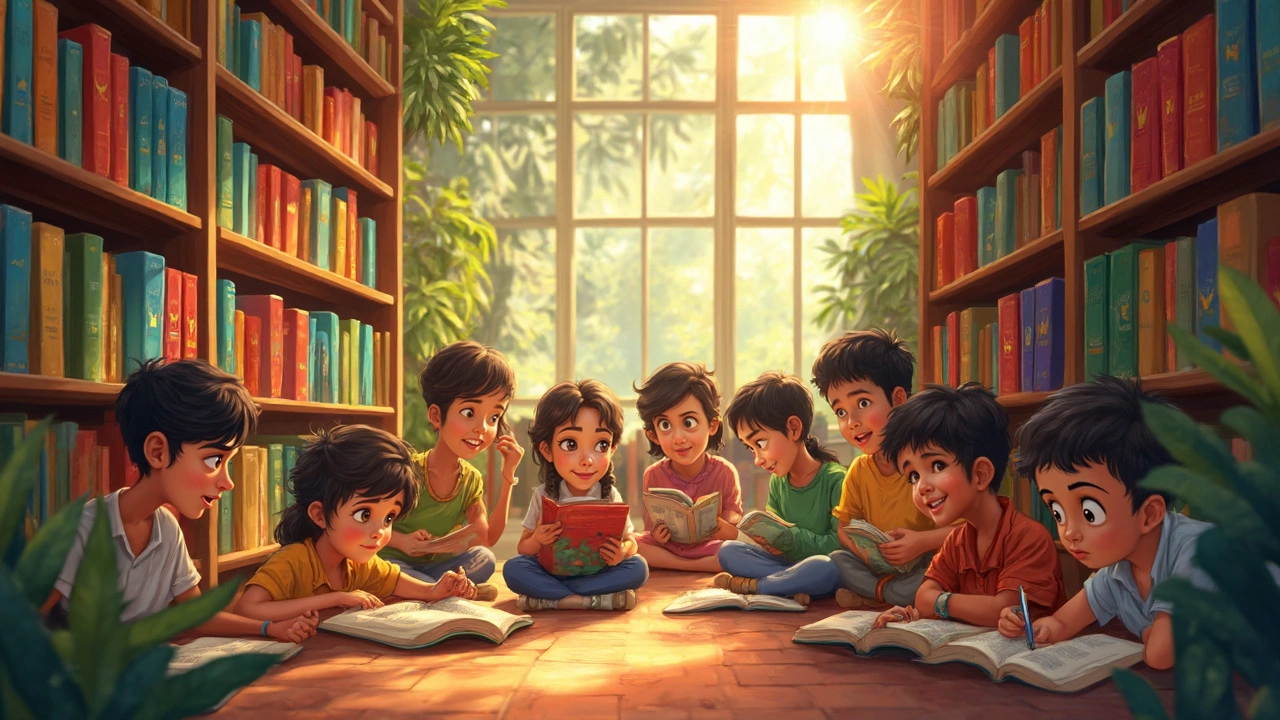
What Does MG Stand For in Books? Quick Guide for YA Fans
Curious about what MG stands for when browsing books? This article breaks down the meaning of MG, how it's different from other book categories, and why it matters whether you're a reader or a writer. Get practical tips on choosing the right MG books and insight into what makes these stories tick. It's everything you need to know about the world of MG in one handy spot.
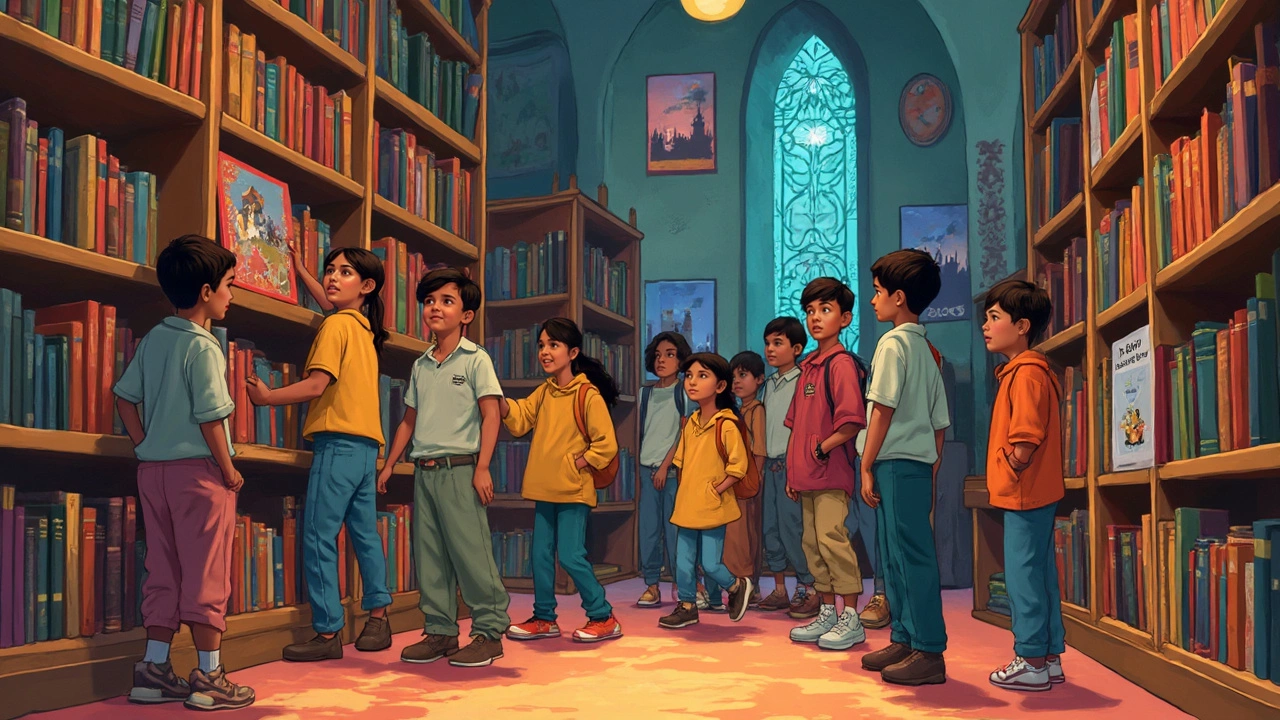
Is Harry Potter a Children's Book or YA? Breaking Down the Audience Debate
People love to argue about whether Harry Potter belongs on the children's shelf or the YA (young adult) shelf. The book series starts light and gets darker and deeper as it goes on, so where does it actually fit? This article tackles why the age debate matters, walks you through the changes in themes and style through each book, and explains what publishers and libraries do with the series. By the end, you’ll know what makes Harry Potter so hard to pin down and how that affects what you choose for yourself or the young readers in your life.
What Age Group Is YA For? Breaking Down Young Adult Fiction
Young adult (YA) fiction gets a lot of hype, but who’s it really for? This article cuts through the guesswork and gives you the age range publishers, librarians, and authors use for YA books. I’ll share interesting facts about why the lines are getting blurrier, tips to find the right YA books for different readers, and why adults are sometimes just as hooked as teens. We’ll even clear up the confusion between MG, YA, and NA labels. If you want a practical, no-nonsense guide to YA age groups, this is it.
Exploring 'Powerless': A Unique Young Adult Fiction
Delve into 'Powerless', a compelling novel categorized under young adult fiction. This article explores whether it fits the typical YA mold or offers something entirely different. We look at key themes, the main characters, and the book's unique approach to storytelling. The piece also provides insights into what makes 'Powerless' resonate with teenage readers. Discover the nuances of this novel and why it captivates its audience.
Exploring LGBTQ Themes in Percy Jackson's Universe
This article dives into the representation of LGBTQ characters in the world of Percy Jackson, a popular young adult fiction series penned by Rick Riordan. The piece discusses the presence, significance, and development of LGBTQ themes and characters within the series, examining how these narratives reflect current societal trends. By providing insight into subsequent series and character arcs, the article sheds light on the evolving landscape of inclusivity within this beloved fantasy universe. It also offers perspectives on how such representation impacts readers and celebrates diversity in young adult literature.
- 1
- 2