Romance Books: What’s Hot, Who’s Writing It, and What You Need to Know
When you think of romance novels, a genre built on emotional connection, relationship arcs, and often a satisfying ending. Also known as romantic fiction, it’s not just about love—it’s about people navigating fear, loss, identity, and hope through connection. This isn’t the same genre from 20 years ago. Today’s romance novels are messy, real, and wildly diverse. You’ll find stories about grieving widows finding love again, queer couples building lives in small towns, and anti-heroes who aren’t just brooding—they’re broken in ways readers recognize.
One name keeps showing up in every conversation: Nora Roberts, the most consistent and best-selling romance author alive, with over half a billion books sold and more than 40 years of bestsellers. She’s not just popular—she’s the foundation. Her work spans cozy small-town love stories, suspenseful thrillers with romantic threads, and even fantasy-tinged tales. But she’s not the only voice. The genre’s exploding with new perspectives: authors writing about South Asian families, Black women reclaiming joy after trauma, and men falling in love while dealing with PTSD. And if you’ve seen labels like MF, a shorthand for male-female romantic pairings, used to help readers quickly identify the relationship dynamic in a book on a cover or online listing, you’re not alone in wondering what it means. It’s just one of many codes now used to guide readers to stories that match their mood.
Then there’s the darker side—dark romance, a subgenre where love isn’t sweet, it’s intense, complicated, and sometimes dangerous. Think morally gray characters, power imbalances, and emotional intensity that leaves you breathless. It’s not for everyone, but for those who crave it, books like Shatter Me or Between Shades of Gray blur the line between romance and survival. These stories don’t shy away from trauma, history, or grief—but they still find warmth in the cracks. And yes, guys are reading them too. More than you think. The stereotype that romance is only for women is fading fast. Real readers don’t care about gender—they care about feeling something.
What’s changing in 2025? Slow burns are beating insta-love. Relationships built on shared silence, not grand gestures. Stories where love isn’t the escape—it’s the reason to keep going. You’ll find books where the main character is 14 and learning to navigate first love without being overwhelmed by adult themes. And you’ll find books where the protagonist is 50, rediscovering desire after decades of caregiving. The range is wider than ever.
Below, you’ll find real answers to the questions you actually ask: Is this book right for my teen? Why does this author keep showing up on bestseller lists? What does MF even mean? And yes—we’ll talk about why dark romance isn’t just edgy, it’s necessary for some readers. This isn’t a list of fluff. It’s a guide to what’s working, what’s shifting, and what’s truly worth your time.
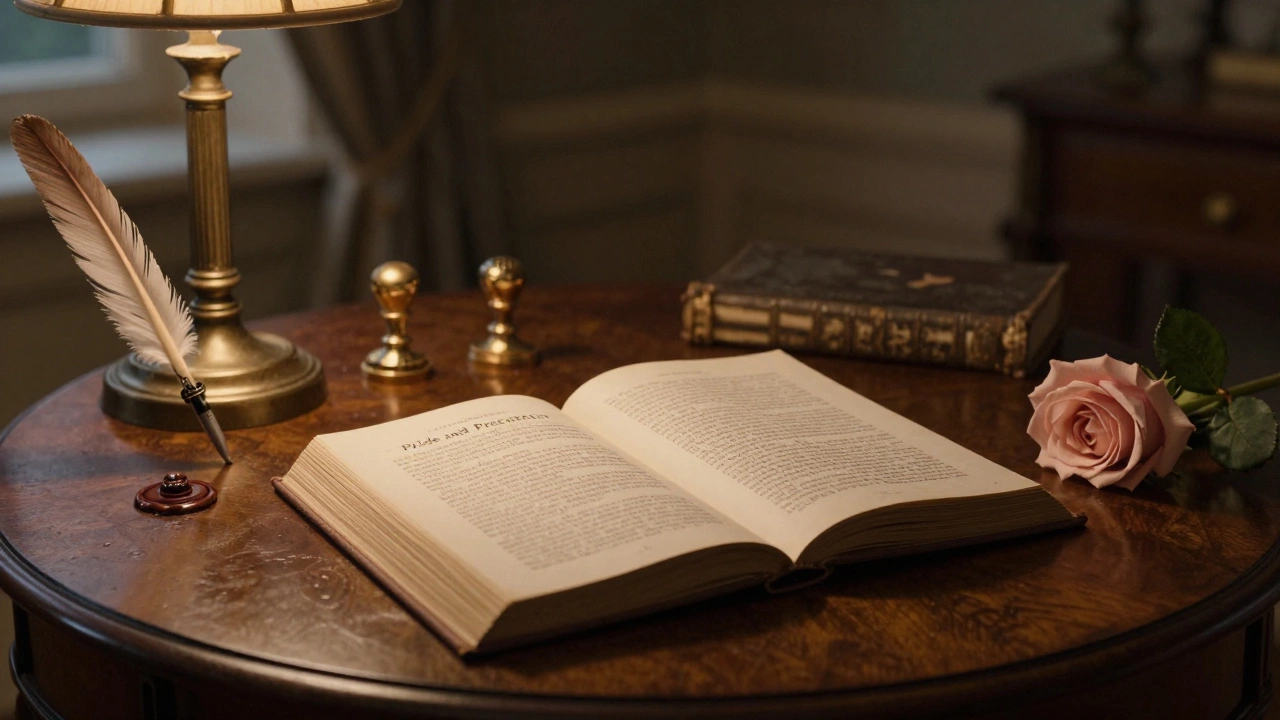
What Is the Most Sold Romance Book of All Time?
The most sold romance book of all time is Jane Austen's Pride and Prejudice, with over 20 million copies sold. Despite modern blockbusters like Twilight and 50 Shades, this 1813 novel remains unmatched in lasting sales and cultural impact.

Who Is the #1 Romance Author Today?
Nora Roberts is widely considered the #1 romance author today, with over 500 million books sold, consistent bestsellers for over 40 years, and influence across every romance subgenre. Her reliability, volume, and emotional depth set her apart.

What's trending in romance novels in 2025
Romance novels in 2025 are shifting toward authentic, slow-burn relationships with diverse characters. Grief, queer love, and everyday connections are replacing clichés, making the genre more relatable than ever.
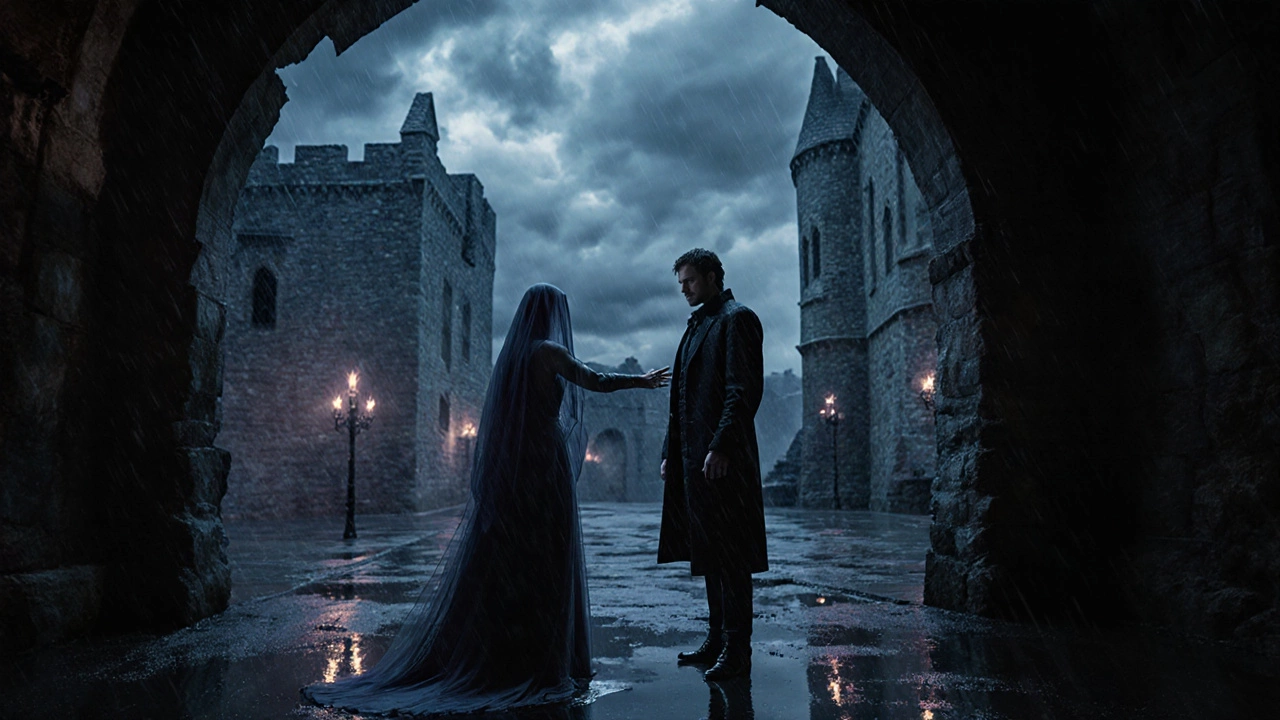
Understanding the Dark Romance Genre in Books
Explore the dark romance genre: its hallmarks, key sub‑genres, typical characters, plot devices, top books, and tips for writers.
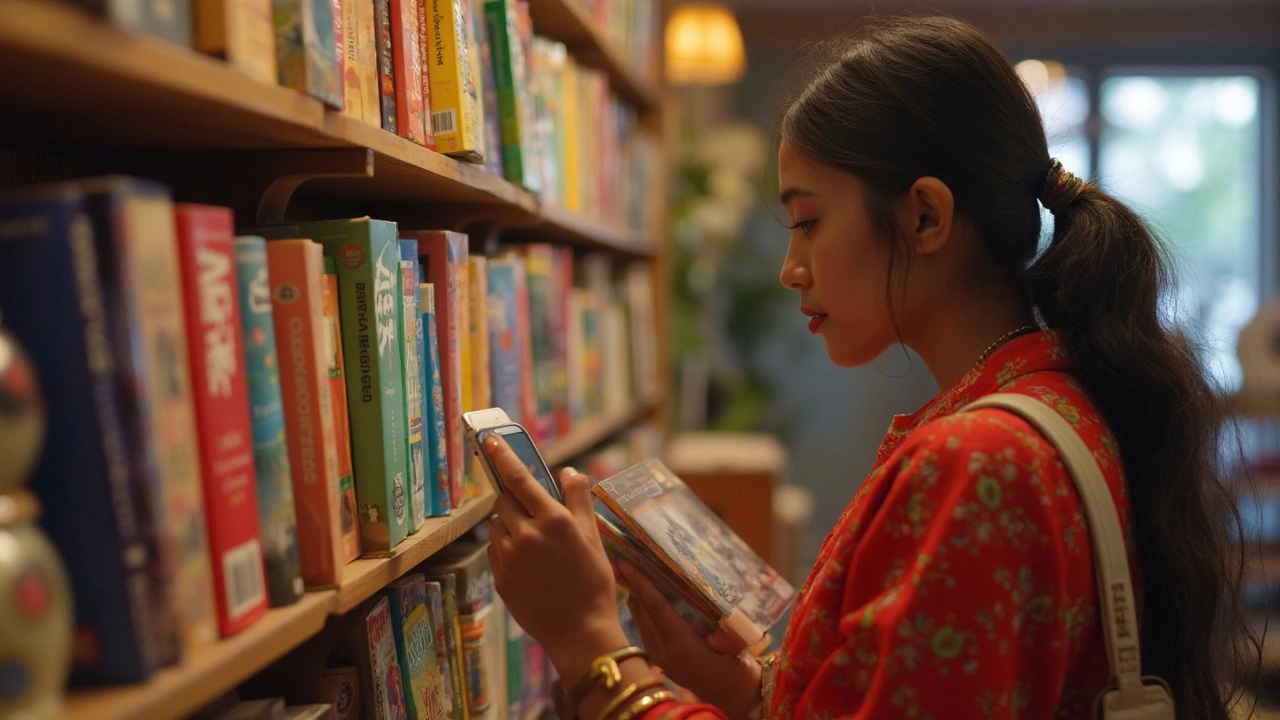
MF Meaning in Romance Novels: What Readers Need to Know
Ever wondered what 'MF' means on a romance book cover or online listing? This article breaks down exactly what this label stands for, explains why it matters, and helps readers find the stories they actually want. Expect practical facts, the history of romance genre labels, and tips for decoding other common abbreviations in romance fiction. Skip the confusion next time you browse for your next read.
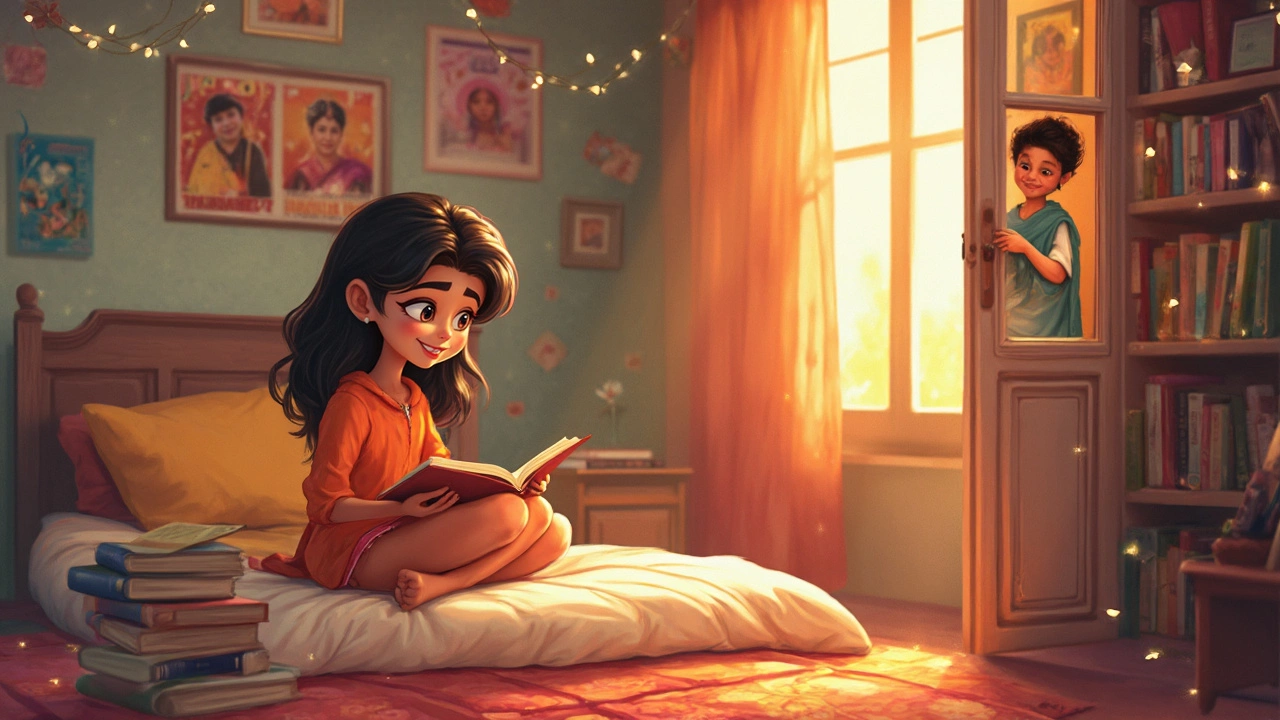
Can a 14 Year Old Read Romance Novels?
Can a 14-year-old read romance novels? This article gets into what teens might find in these books, tips for picking the right ones, and how to handle mature themes. You'll also see real facts about teen reading habits, and suggestions for safe but fun romance reads. It's all about helping parents and teens make smart choices without taking the fun away.
Is Shatter Me 18+? What Every Reader Should Know
Curious if Shatter Me is suitable for readers under 18? This article breaks down the mature themes, language, and the kind of romance you’ll actually find in the book. Parents, teens, and curious readers will get clear answers. You'll also see tips on deciding if it's the right pick for you or a younger reader. Get the full scoop before you flip that first page.
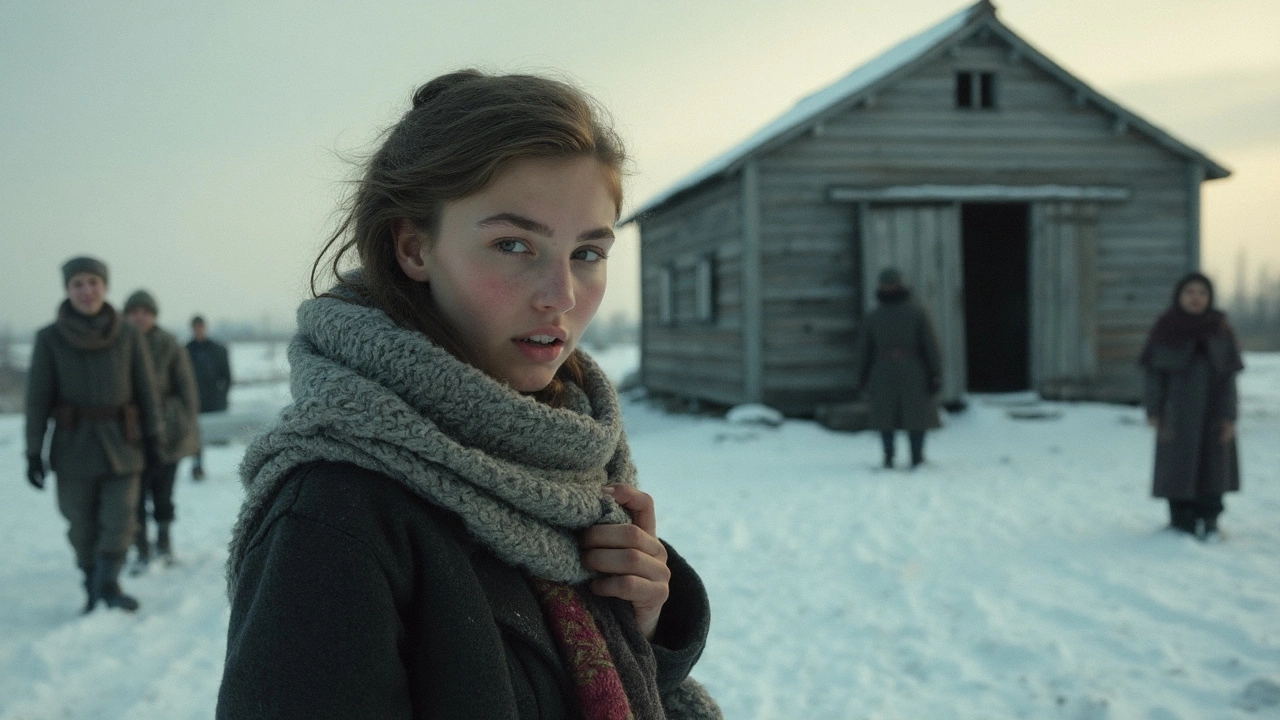
Book Between Shades of Gray: The Real Story Behind the Romance
Between Shades of Gray isn't your usual romance novel—it's built on raw, true events from history, following a teenage girl's fight to survive love and loss under Stalin's regime. This article breaks down what the book is based on and how real-life stories inspired the heart-wrenching storyline. Get a look at the real people and places behind the pages, why the setting matters, and how the romance threads through tough times. You'll also find a bunch of interesting facts that'll change the way you see this popular book.
Is It Weird for a Guy to Read Romance Books?
Are guys who read romance books really that rare? This article looks into whether it's weird for men to enjoy a good love story, breaking down common stereotypes and bringing some facts to light. Find out who’s actually reading these books, why more guys are secretly into them, and what they get out of the stories. Get simple tips on how men can start reading romance without feeling awkward. Real talk from a dad who’s gotten more than a few odd stares for picking up a steamy paperback.