Victorian Era Books: Historical Fiction, Romance, and Truth in 19th-Century Stories
When you think of the Victorian era, the period in British history from 1837 to 1901 under Queen Victoria’s rule, marked by industrial growth, rigid social codes, and a boom in novel writing. Also known as the Victorian period, it gave us some of the most enduring stories in English literature—tales of class struggle, hidden desires, and quiet revolutions behind closed doors. This wasn’t just a time of corsets and coal smoke; it was the golden age of the novel, where writers like Charles Dickens, Emily Brontë, and George Eliot turned everyday lives into epic dramas.
The historical fiction, a genre that uses real settings and events as a backdrop for imagined characters and stories of the Victorian era doesn’t just recreate the past—it makes us feel its weight. Think of the pressure on women to marry well, the shame of poverty, the silence around mental illness. These aren’t just plot points; they’re the bones of the stories we still read today. And while many modern novels set in this time lean into romance and drama, the best ones ask: how much of this is true? The Victorian romance, a subgenre often filled with forbidden love, secret engagements, and misunderstood reputations might feel like pure fantasy, but it’s rooted in real social rules—rules that could ruin a person’s life over a single glance or letter.
What makes Victorian-era stories so powerful isn’t the bonnets or the carriages—it’s the tension between what people said and what they felt. That’s why today’s readers, especially fans of historical fiction, keep coming back. They’re not just looking for pretty costumes. They want to understand how people lived under impossible expectations, how love survived in a world that punished it, and how truth was buried under layers of propriety. The posts below dig into exactly that: which novels got it right, which authors shaped the genre, and why stories from this time still feel raw, real, and relevant.
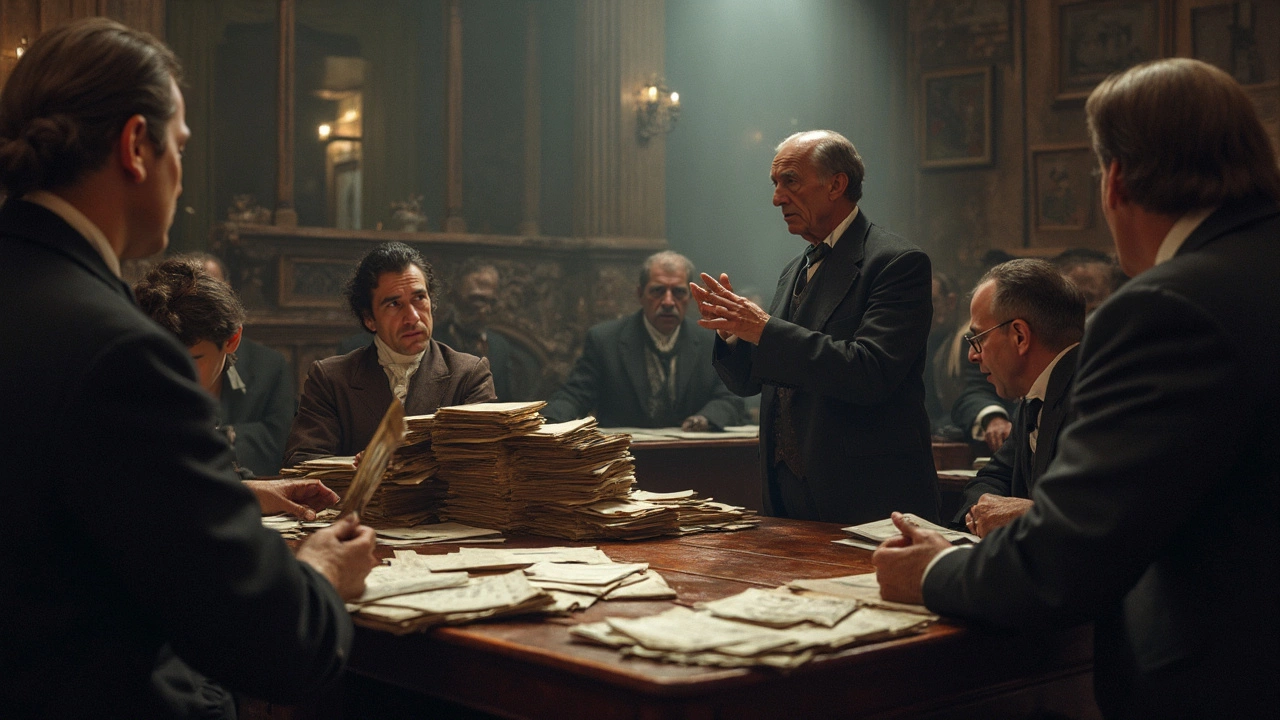
Dickens' Main Message in Bleak House: Corruption, Justice, and Hope
This article unpacks the main message Charles Dickens delivers in 'Bleak House.' It digs into how Dickens uses the novel to challenge the legal system, highlight social injustice, and call for change in Victorian England. You'll see how he weaves stories of real people caught in endless bureaucracy and uses memorable characters to bring these problems to life. Get practical insights into the themes, facts about the era, and tips for understanding Dickens' style. Perfect for anyone wanting to grasp what's truly at the heart of 'Bleak House.'