Types of Culture: What They Are and Why They Matter
When we talk about types of culture, the shared beliefs, practices, and expressions that define groups of people. Also known as cultural systems, it shapes everything from the books we pick up to the stories we tell ourselves. It’s not just about art museums or classical music—it’s about who gets to tell stories, who reads them, and why they matter.
High culture, traditionally linked to elite institutions like opera, literature, and fine art. Also known as elite culture, it often shows up in historical fiction and literary classics. Then there’s popular culture, the stuff that spreads fast—romance novels, YA dystopias, thriller movies. Also known as pop culture, it is where most readers live. Think Nora Roberts’ romance novels or the way millions relate to the emotional arcs in Fourth Wing. These aren’t just entertainment—they’re cultural signals, telling us what we crave: connection, escape, truth.
But culture isn’t monolithic. Subculture, a smaller group within a larger culture with its own norms, symbols, and values. Also known as niche culture, it thrives in dark romance, psychological thrillers, and even the quiet rebellion of adult readers who claim YA as their own. These groups don’t just consume culture—they reshape it. The rise of slow-burn romance in 2025? That’s a subculture pushing back against clichés. The obsession with Dune’s mythic world? That’s a subculture turning sci-fi into spiritual ritual.
Cultural identity is the invisible thread tying all this together. It’s why someone in Mumbai picks up a book about grief in rural Kerala, or why a teenager in Delhi connects with a queer love story set in 1990s London. Culture isn’t static—it’s lived, challenged, and rewritten every time someone reads a book that makes them feel seen. That’s why historical fiction isn’t just about the past—it’s about who we are now. Why soft skills matter in storytelling. Why reading can change how you see yourself.
You’ll find posts here that dig into these layers: how romance reflects shifting values, how YA became an adult obsession, how Dune blurs fantasy and science fiction because it speaks to something deeper than plot. These aren’t random book reviews—they’re snapshots of culture in motion. Whether you’re curious about the roots of dark romance, the power of storytelling in shaping identity, or why certain books outsell the Bible, you’re not just reading about books—you’re reading about people. And that’s where the real story begins.
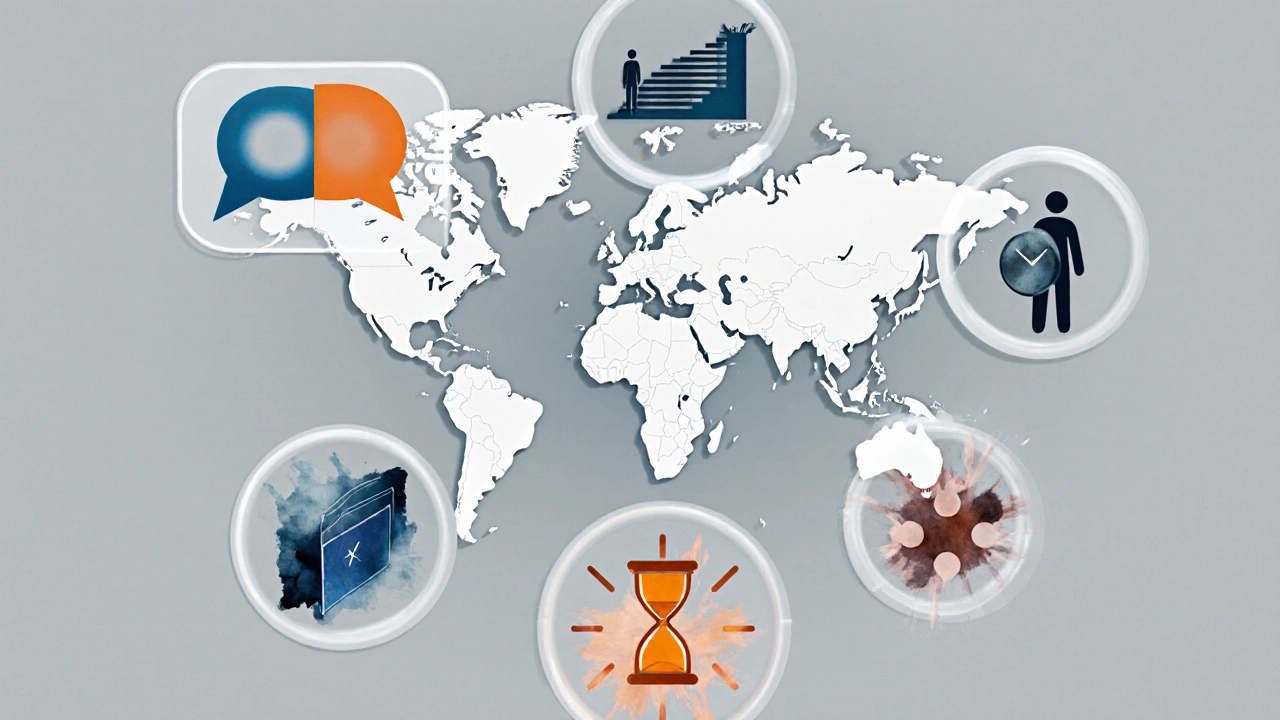
8 Key Types of Cultural Differences Explained
Explore the eight core types of cultural differences, from communication styles to gender norms, with practical tips, a comparison table, and FAQs to help you navigate global interactions.