The Odyssey: Ancient Epic, Modern Themes, and Why It Still Matters
When we talk about The Odyssey, an ancient Greek epic poem attributed to Homer that follows the ten-year journey of King Odysseus after the Trojan War. Also known as Homer’s Odyssey, it’s not just a story about sea monsters and gods—it’s the original blueprint for every hero’s struggle to find their way back. This isn’t just old literature. It’s the root of nearly every story you’ve ever loved—whether it’s a romance about a lost love finding their way home, a thriller about a broken person rebuilding their identity, or even a YA novel where a teenager fights to survive and grow up.
Homer, the legendary poet believed to have composed The Odyssey around 800 BCE didn’t write for scholars. He wrote for people who needed to hear that even after losing everything, you can still come back. That’s why Greek mythology, the system of myths and legends from ancient Greece that includes gods, monsters, and divine intervention still shows up everywhere—from movies that use gods as metaphors for inner demons, to dark romance novels where the anti-hero is as dangerous as Poseidon. The monsters in The Odyssey? They’re not just sea creatures. They’re fear, temptation, grief, and guilt made visible.
Think about how often modern stories borrow from it. The hero who’s lost, the journey that changes them, the home they barely recognize when they return—it’s all right there. The Odyssey is the reason we keep reading about people who get lost and find themselves. It’s why we care about characters who aren’t perfect but keep trying. And it’s why a 2,800-year-old poem still feels more real than most books published today.
You’ll find threads of The Odyssey in every post here—not just in direct references, but in the quiet echoes. The slow-burn romance that mirrors Odysseus and Penelope’s waiting. The psychological thriller with an unreliable narrator like the gods who lie to mortals. The YA story where the protagonist must outsmart a system that wants them gone. Even the books about aging, identity, and self-discovery? They’re all descendants of this one epic.
There’s no grand theory here. No academic jargon. Just the raw truth: if you’ve ever felt lost, stuck, or like you’re fighting invisible forces just to get back to who you are—you’ve already lived The Odyssey. And the posts below? They’re the modern versions of that same story, told in different voices, for different times, but with the same heartbeat.
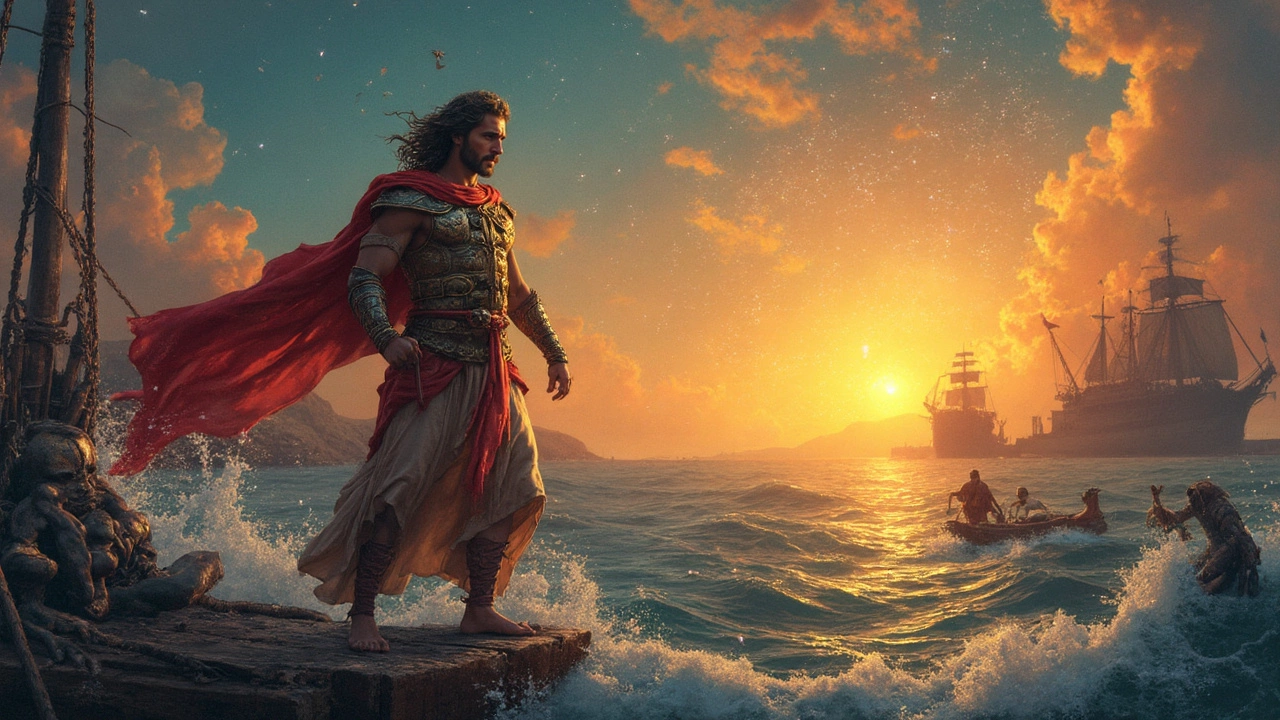
Is The Odyssey Historical Fiction? Unraveling the Myth and History
The Odyssey, a timeless classic attributed to Homer, straddles the line between myth and reality. This exploration dives into whether The Odyssey can be considered historical fiction, examining its mythical elements alongside historical context. By unpicking well-known tales within this epic, we'll shine a light on the mix of fact and fiction. Discover intriguing details about ancient Greece and its storytelling, delving into how The Odyssey has been interpreted through the ages.