Reading Age: What Age Is Right for Which Books?
When we talk about reading age, the suggested age group a book is designed for based on language, themes, and complexity. Also known as target age range, it's meant to guide parents, teachers, and readers to books that match a person’s current skills and interests. But here’s the truth: reading age is more of a suggestion than a rule. A 12-year-old might devour a complex historical novel while a 25-year-old finds comfort in a simple YA story. What matters isn’t the number on the cover—it’s whether the book connects.
The idea of young adult fiction, books written for readers aged 12 to 18, often featuring coming-of-age themes used to be clear-cut. But now, most YA readers are adults. Why? Because these stories tackle real emotions—identity, loss, first love—with raw honesty. Meanwhile, children's books, stories crafted for early readers, often with simple language and visual support aren’t just for kids anymore. Many adults rediscover picture books and middle-grade novels for their emotional clarity and quiet wisdom. And then there’s the gap: books labeled "new adult" for ages 18–25. Titles like Fourth Wing blur the lines between YA and adult categories, proving that age labels are more about marketing than meaning.
Reading age isn’t about how old you are—it’s about where you are in your life. A child reading about dragons might be learning courage. A grown-up reading the same book might be remembering what wonder felt like. The best books don’t care about birthdays. They care about curiosity. That’s why you’ll find posts here about who’s really reading YA, how phonics shapes early reading skills, and why some books cross age boundaries without even trying. Whether you’re picking a book for a kid, a teen, or yourself, the right story isn’t found by age—it’s found by feeling.

What Age Should Read YA Books? Clear Guidelines for Young Adult Fiction
Wondering about the right age for YA books? Get a clear, honest breakdown of who should read young adult fiction and why age might matter more than you think.
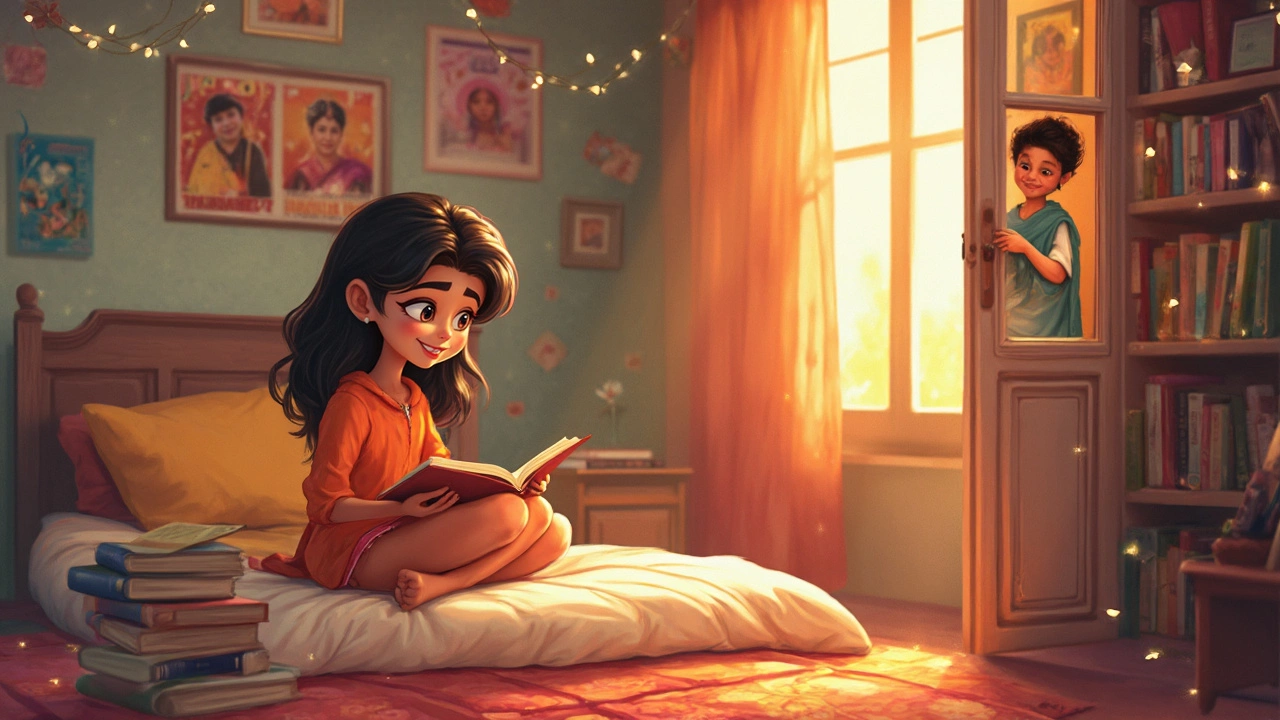
Can a 14 Year Old Read Romance Novels?
Can a 14-year-old read romance novels? This article gets into what teens might find in these books, tips for picking the right ones, and how to handle mature themes. You'll also see real facts about teen reading habits, and suggestions for safe but fun romance reads. It's all about helping parents and teens make smart choices without taking the fun away.