Narrative in Books: Why Storytelling Shapes What We Read
At its core, narrative, the structured way a story is told to convey meaning, emotion, and truth. Also known as storytelling, it’s what turns facts into feelings and events into experiences. Whether you’re reading a romance novel, a dark psychological thriller, or a historical fiction piece, it’s not just what happens—it’s how it’s told that pulls you in. A good narrative doesn’t just describe a character’s grief; it makes you feel it in your chest. It doesn’t just set a scene in 18th-century India; it makes you smell the spices, hear the distant temple bells, and wonder what you’d do if you were there.
Narrative is the invisible thread connecting genres. In historical fiction, a genre that blends real events with imagined lives to make the past feel alive, the narrative gives voice to people erased from official records. In psychological thrillers, stories built on unreliable minds, hidden motives, and slow-burning tension, the narrative tricks you into trusting the wrong person—until it’s too late. And in romance novels, tales centered on emotional connection, often evolving through quiet moments rather than grand gestures, the narrative thrives on what’s left unsaid. These aren’t just plot devices—they’re human experiences shaped by structure, pacing, and voice.
What makes a narrative stick? It’s not fancy words or dramatic twists. It’s authenticity. Readers remember stories where characters feel real—not because they’re perfect, but because they’re messy, scared, hopeful. That’s why slow-burn romances are overtaking clichéd love triangles. Why readers are drawn to dark, flawed protagonists instead of heroes in shining armor. Why historical fiction that gets the small details right—like how a woman tied her sari in 1947—builds more trust than a thousand grand battles.
The best narratives don’t shout. They whisper. They let silence speak. They show you a character’s hands trembling as they open a letter, not just say they’re nervous. That’s the power of a well-built story. And in the collection below, you’ll find deep dives into exactly that: how narrative works across genres, why some stories stick with us for decades, and what makes a tale feel true—even when it’s entirely made up.
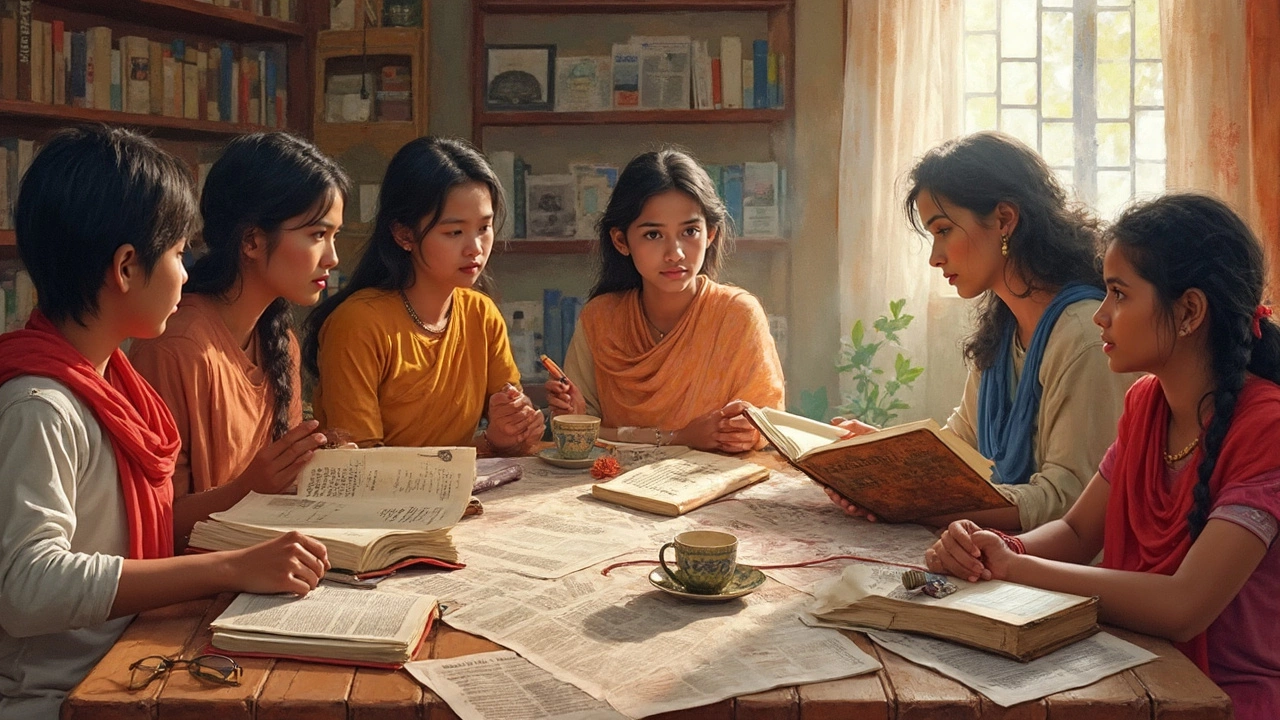
Literary Nonfiction vs Historical Fiction: Key Differences Explained
Literary nonfiction and historical fiction sound similar, but they're worlds apart when you dive in. This article breaks down how each genre handles facts and storytelling. You’ll find out what makes each unique, where the lines blur, and how readers can spot the subtle differences. Expect some surprising examples and tips to help you tell them apart. It’s your go-to guide if you’re curious about how stories and history mix.
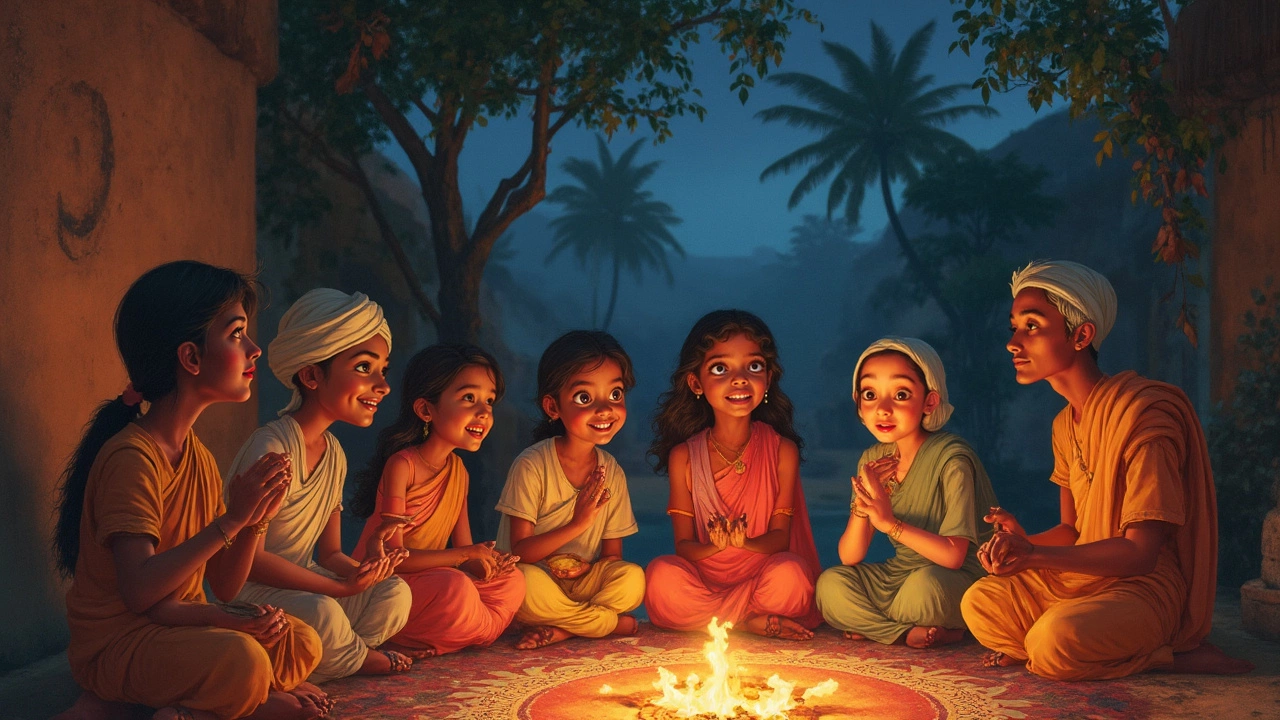
Exploring Cultural Narratives: An Engaging Example
Cultural narratives shape how communities see and convey their shared experiences and values. This article delves into the concept by examining a well-known example that brings to light the power of stories in cultural contexts. Readers will uncover the elements that make these narratives impactful, and learn tips on recognizing and understanding them in everyday life.