Literature Genres Explained: Romance, Historical Fiction, Dark Thrillers & More
When you pick up a book, you’re not just choosing a story—you’re choosing a literature genre, a category of writing defined by style, theme, and reader expectations. Also known as book categories, these genres act like invisible guides, telling you what kind of emotional ride you’re signing up for. Some make you fall in love. Others make you question reality. And some? They make you feel like you’ve lived another life.
Take romance novels, stories centered on emotional relationships and personal growth through love. Also known as romantic fiction, this genre isn’t just about spark and drama—it’s evolved into quiet, messy, real connections. Think grief, queer love, and slow-burn tension replacing clichés. It’s not just women reading these books anymore. Most readers are adults who crave authenticity over fantasy. Then there’s historical fiction, stories set in the past that use real events as a backdrop for human drama. Also known as period fiction, it doesn’t just teach history—it makes you feel it. The best ones don’t just get the dates right—they get the fear, the hope, the silence between words right. And if you’re into stories that twist your mind as much as your heart, dark psychological thrillers, books that explore obsession, manipulation, and the fragility of perception. Also known as mind-bending suspense, they rely less on jump scares and more on the creeping dread of an unreliable narrator or a secret that shouldn’t stay buried. Meanwhile, young adult fiction, stories written for teens but often read by adults. Also known as YA, this genre has become a mirror for adult anxieties—identity, power, belonging—wrapped in fast-paced plots and unforgettable characters. These aren’t just labels. They’re emotional contracts between writer and reader.
What ties them all together? The need to feel something real. Whether you’re drawn to the mythic scale of Dune—a story that blurs sci-fi and fantasy—or the raw intimacy of a dark romance with an anti-hero, you’re looking for truth wrapped in fiction. The genres you love say something about you: your fears, your hopes, the questions you keep turning over in your head. Below, you’ll find deep dives into exactly these kinds of stories—why they work, who reads them, and what’s changing right now. No fluff. Just clear, honest takes on the books that move people.
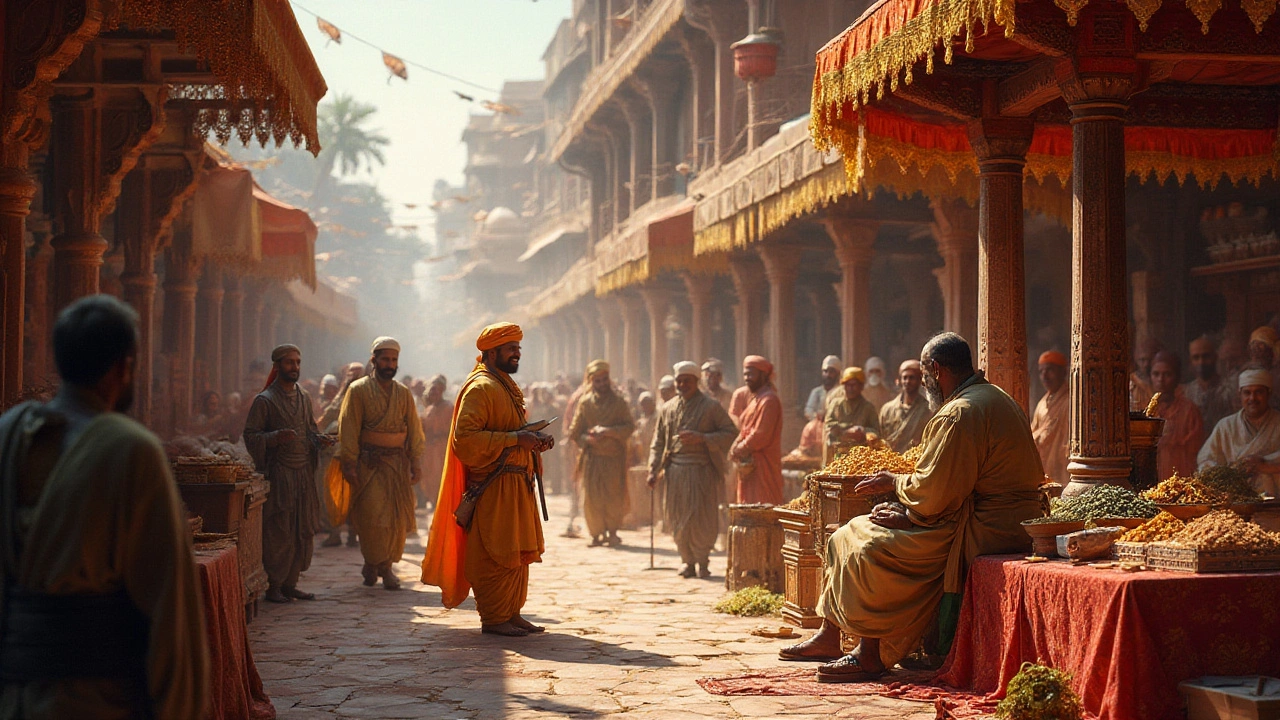
Historical Fiction vs. Fantasy: Understanding the Key Differences
Though often overlapping, historical fiction and historical fantasy offer readers distinct experiences. Historical fiction immerses the audience in a carefully researched setting and integrates fictional narratives with real historical events. Conversely, historical fantasy combines historical settings with fantastical elements, introducing magic or mythical beings. A deep understanding of both genres allows readers to appreciate the creative nuances and narrative techniques within each.