Literary Nonfiction: True Stories That Read Like Novels
When you pick up a book that feels like a novel but is completely true, you’re holding literary nonfiction, a genre that uses the tools of fiction—scene, voice, rhythm—to tell real stories with emotional depth. Also known as creative nonfiction, it’s not journalism, not autobiography, and not self-help—it’s truth told with art. This is where memory becomes music, where facts wear emotion like a second skin. It’s the difference between reading a news report about a war and reading Joan Didion’s The Year of Magical Thinking, where grief doesn’t just happen—it pulses on every page.
Literary nonfiction includes memoir, personal accounts shaped into compelling narratives, often exploring identity, loss, or transformation, and essay, a flexible form that blends thought, observation, and personal reflection to probe big ideas. It also covers narrative nonfiction, books that tell true events like stories—with characters, conflict, and arcs. Think of Truman Capote’s In Cold Blood, where a murder investigation becomes a psychological epic, or Cheryl Strayed’s Wild, where a hike across the Pacific Crest Trail becomes a journey through trauma and healing. These aren’t just facts arranged in order—they’re crafted experiences.
What makes literary nonfiction powerful is that it doesn’t ask you to believe it—it asks you to feel it. It’s the genre where a writer’s voice becomes the compass. You don’t need to have lived through a famine, a divorce, or a prison sentence to understand it—you just need to read it the right way. That’s why readers who love fiction often find themselves drawn to these books: they deliver the same emotional payoff, but with the weight of truth behind them.
What you’ll find in the posts below are real conversations about books that blur the line between fact and feeling. You’ll see how memoirs shape identity, how essays turn personal pain into universal insight, and why some true stories stick with us longer than any novel. These aren’t just book lists—they’re maps to the quiet, powerful moments where life becomes literature.
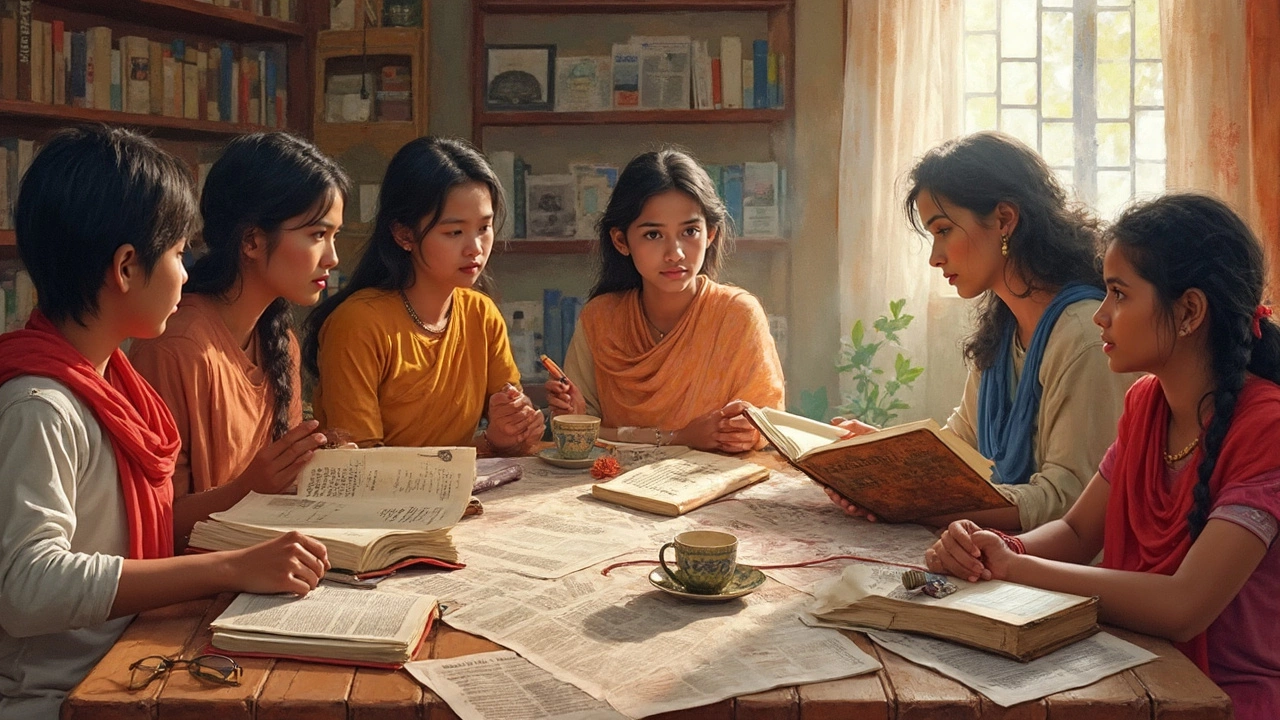
Literary Nonfiction vs Historical Fiction: Key Differences Explained
Literary nonfiction and historical fiction sound similar, but they're worlds apart when you dive in. This article breaks down how each genre handles facts and storytelling. You’ll find out what makes each unique, where the lines blur, and how readers can spot the subtle differences. Expect some surprising examples and tips to help you tell them apart. It’s your go-to guide if you’re curious about how stories and history mix.