Lewis: Who Is Lewis in Books? Authors, Characters, and Stories
When people talk about Lewis, a name tied to some of the most influential fantasy and philosophical writing of the 20th century. Also known as C.S. Lewis, it refers to the author who turned Christian allegory into global bestsellers with The Chronicles of Narnia. But Lewis isn’t just one person—it’s a name that shows up in characters, titles, and even reader discussions about storytelling itself.
There’s C.S. Lewis, the Oxford scholar who wrote about talking lions, magic wardrobes, and the battle between good and evil. Then there’s Lewis Carroll, the writer behind Alice’s absurd, logic-bending adventures in Wonderland. Both shaped how we think about fantasy—but in totally different ways. One built mythic worlds with moral weight. The other played with language, nonsense, and the chaos of growing up. You’ll find both names in the posts below, because readers keep asking: Who is Lewis? And why do their stories still matter?
It’s not just about the authors. The name Lewis shows up in characters too—quiet heroes, broken detectives, or thoughtful narrators who carry emotional weight. In dark romance, a character named Lewis might be the brooding anti-hero you can’t stop rooting for. In historical fiction, he could be a soldier writing letters home. In YA, he’s the best friend who sees through the main character’s lies. These aren’t random names—they’re echoes of deeper themes: identity, silence, redemption. The posts here explore how Lewis appears across genres, what it means when a writer picks that name, and why readers connect with it.
And yes, people still debate whether C.S. Lewis’s work is fantasy or allegory. Whether his stories are for kids or adults. Whether they inspire or limit. The same questions pop up about characters named Lewis—do they represent strength, or just another trope? You’ll find answers in the posts below, where real readers break down what these stories really say. Whether you’re looking for the best Lewis books, analyzing his influence on modern fantasy, or just wondering why so many characters share this name, you’ll find something that clicks.
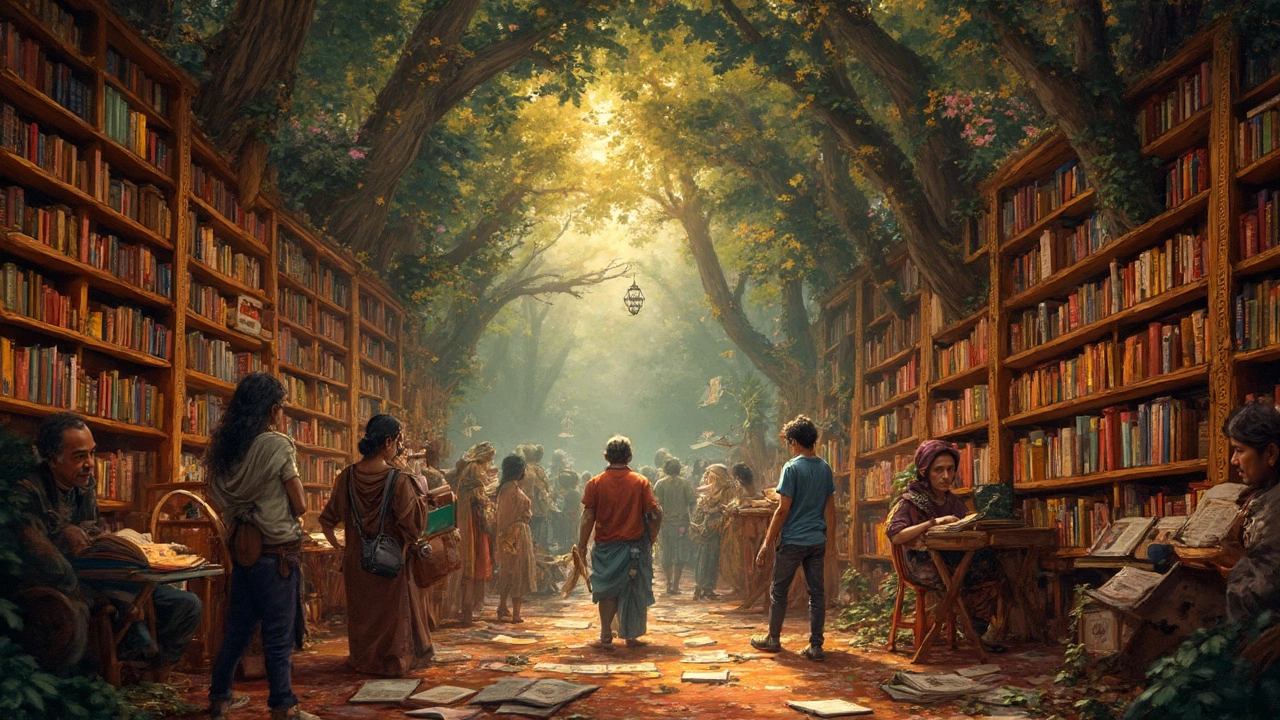
Big 3 Fantasy Writers: Who Shaped the Genre?
Everyone talks about the Big 3 in fantasy, but who were they really? This article digs into the lives and work of J.R.R. Tolkien, C.S. Lewis, and Robert E. Howard—explaining what made each of them stand out. You’ll learn how their stories changed fantasy forever and still shape what readers love today. Expect practical tips for picking up their books, understanding their different styles, and spotting their influence in modern stories. Whether you’re new to fantasy or a lifelong fan, these three names come up everywhere—and for good reasons.