Fantasy Genre Origins: Where It All Began and How It Evolved
When you think of fantasy genre origins, the ancient storytelling traditions that gave birth to magical worlds, mythical creatures, and heroic quests. Also known as mythological storytelling, it doesn't start with Tolkien—it starts with firelight tales told thousands of years ago. Long before dragons were mapped onto maps or wizards wore pointy hats, humans used stories to explain the unexplainable. The gods of Mesopotamia, the tricksters of West Africa, the shape-shifters of Norse sagas—these weren't just entertainment. They were how people made sense of nature, death, power, and fear.
What we now call fantasy literature, a genre built on magic, alternate worlds, and supernatural forces. Also known as speculative fiction, it didn't suddenly appear in the 1950s. It grew from oral traditions, religious texts, and folk tales passed down for centuries. The Epic of Gilgamesh, Beowulf, the Mahabharata—they all contain the DNA of modern fantasy: chosen heroes, cursed artifacts, divine interference, and battles between good and chaos. These weren't just stories. They were cultural blueprints. Even today, you can see their echoes in every epic quest, every magical school, every reluctant hero who discovers they're destined for something bigger. Fantasy doesn't invent magic—it borrows from the oldest parts of human imagination.
The shift from oral myth to written fantasy happened slowly. In the 1800s, writers like George MacDonald began turning folk tales into books. Then came William Morris, who wrote elaborate medieval-style romances. But it was J.R.R. Tolkien who turned fantasy into a global industry—not because he invented it, but because he systematized it. He gave us maps, languages, races, and rules. He made fantasy feel real. And after him, the floodgates opened. From Robert Jordan to Patrick Rothfuss, from N.K. Jemisin to Brandon Sanderson, every modern fantasy writer stands on the shoulders of those ancient storytellers.
What makes fantasy endure isn't just swords and spells. It's that it lets us ask big questions in small packages. What does it mean to be brave? What happens when power corrupts? Can love change fate? These aren't new questions—they're the same ones asked around campfires in ancient India, Greece, and Egypt. The mythological fantasy, a subgenre rooted in ancient myths and religious symbolism. Also known as myth-based fantasy, it still thrives because it taps into something deeper than escapism: identity, belonging, and the search for meaning. That's why fantasy isn't going away. It's not a trend. It's a mirror.
What you'll find below is a collection of posts that dig into how fantasy connects to other genres, who reads it, why it works, and how today's stories still carry the weight of those ancient tales. Whether you're here because you love dragons, or because you want to understand why we keep telling these stories, you're in the right place.
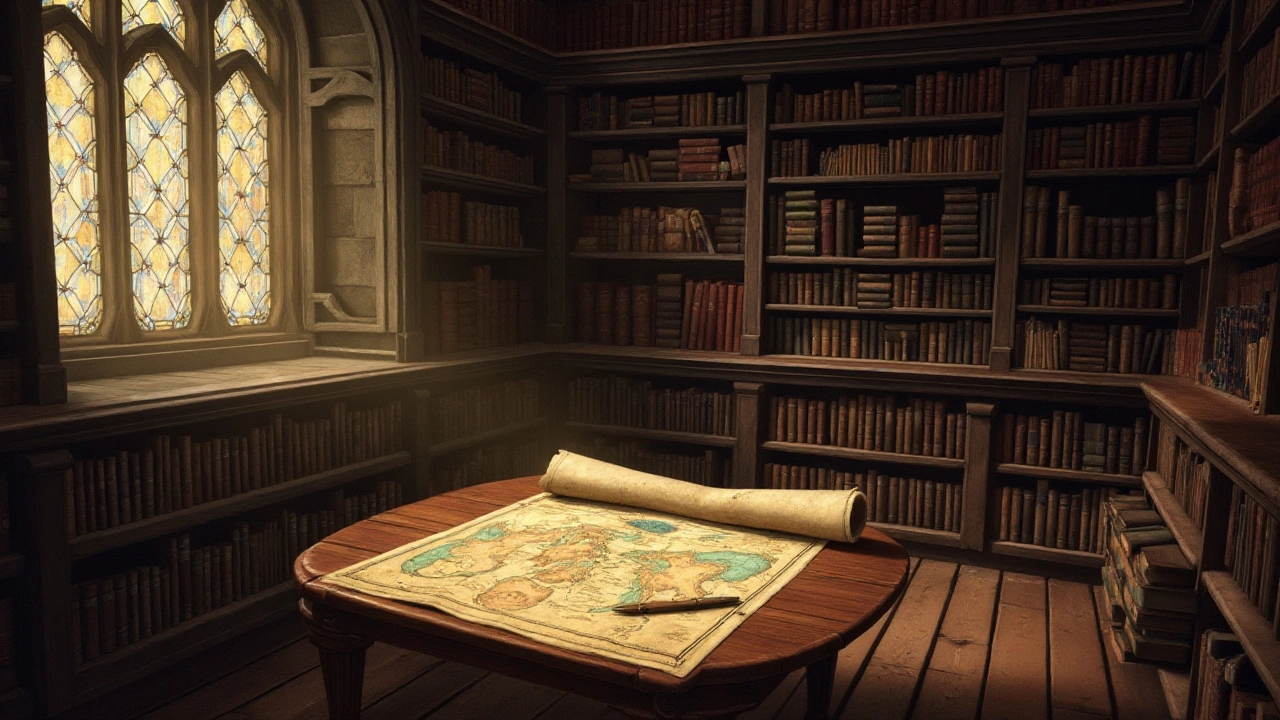
Exploring the Origins of the First High Fantasy Novel
The journey of high fantasy novels begins with the rich and intricate worlds created by pioneering authors. This exploration takes us back to the roots of high fantasy, examining its early influences and landmark books. The article delves into what defines high fantasy and spotlights the first literary work that carved a path for fantasy writers. Interesting insights and historical context provide a deeper understanding of this captivating genre.