Early Childhood Reading: What Works, What Doesn't, and Why It Matters
When we talk about early childhood, the critical stage from birth to age six when brain development is fastest and language skills take root. Also known as the foundational years, it's when kids don't just learn to read—they learn to love reading, or learn to fear it. This isn't about flashcards or pushing toddlers to sound out words before they're ready. It's about building a quiet, consistent connection between books, safety, and joy.
phonics instruction, a method that teaches kids to connect letters with sounds to decode words. Also known as sound-based reading, it's not the only path, but it's the one backed by the most solid evidence. Schools still use it—but too often, it’s rushed, poorly taught, or skipped entirely. The truth? Kids who get clear, daily phonics lessons before first grade don’t just read faster—they read with more confidence. And confidence sticks. Meanwhile, early literacy, the collection of skills kids build before they can read words, like recognizing letters, understanding stories, and knowing how books work isn’t just about books. It’s about talking while cooking, singing nursery rhymes, pointing at signs on the street, and letting kids turn pages even if they "read" the story backward. These are the real building blocks.
Here’s what we know from real classrooms and real kids: if a child hears 30 million words by age four, they’re more likely to read on grade level. But it’s not just quantity—it’s quality. A parent saying "Look, a dog!" while pointing at a picture is powerful. A parent saying "That’s a golden retriever, and it’s wagging its tail because it’s happy"? Even better. The gap isn’t between kids who get books and kids who don’t. It’s between kids who get engaged conversations around books and kids who get passive exposure.
And here’s the quiet truth: early childhood reading isn’t about getting ahead. It’s about not falling behind. Kids who struggle with reading by third grade rarely catch up without serious intervention. That’s why the habits formed between ages zero and six matter more than any test score. They shape how a child sees themselves as a learner—for life.
What you’ll find below are real discussions about what’s actually working in homes and classrooms. From the truth about phonics teaching to why some kids zone out during storytime and others beg for more, these posts cut through the noise. No fluff. No gimmicks. Just what helps kids become readers—not just in school, but for life.
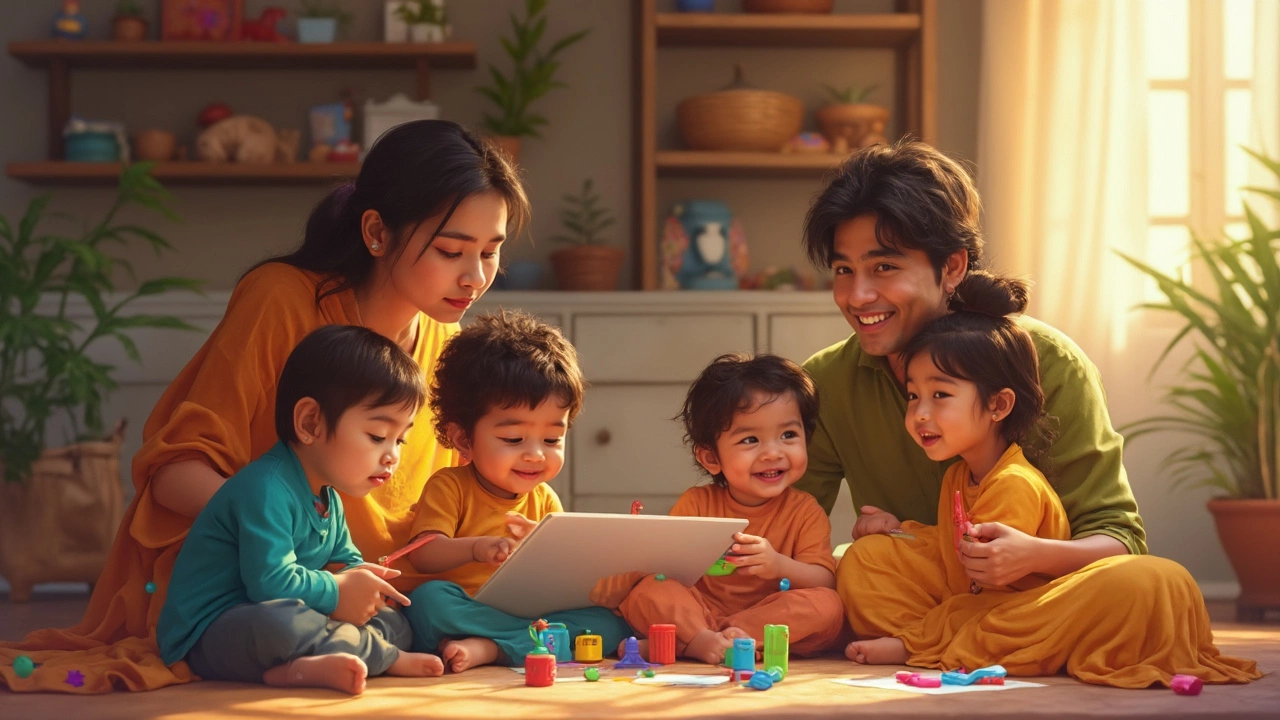
5 Essential Developmental Skills Every Child Needs to Succeed
Explore the five fundamental developmental skills children need for healthy growth. Learn real-life tips and practical facts for parents and caregivers.