Digital Fatigue: Why You're Tired of Screens and What to Do About It
When your eyes feel heavy after scrolling, your brain shuts down during Zoom calls, and even your favorite book feels like another task—you’re not lazy. You’re experiencing digital fatigue, the mental and physical exhaustion caused by constant screen exposure and digital demands. Also known as online overload, it’s not just about too many notifications—it’s about the invisible weight of being always available, always consuming, always reacting.
This isn’t new, but it’s gotten worse. We used to read a novel and feel calm. Now we read a chapter, then check three apps, then scroll through five recommendations, then open a new tab to see if the book is on sale. screen time, the total hours spent interacting with digital devices doesn’t measure depth—it measures distraction. And when your brain is stuck in this loop, even meaningful content like historical fiction or deep romance novels loses its power. You’re not losing interest in stories—you’re losing the space to let them sink in.
What makes mental exhaustion, a state of cognitive depletion from prolonged digital engagement worse is that we mistake it for boredom. We think we need more stimulation, so we open another tab, watch another video, click another link. But the truth? Your brain is begging for silence. The same people who get overwhelmed easily—often highly sensitive or introverted readers—are hit hardest. They don’t just feel tired; they feel hollowed out. And it’s not just about work. It’s about how we read, how we discover books, how we connect with authors online. Every click adds up.
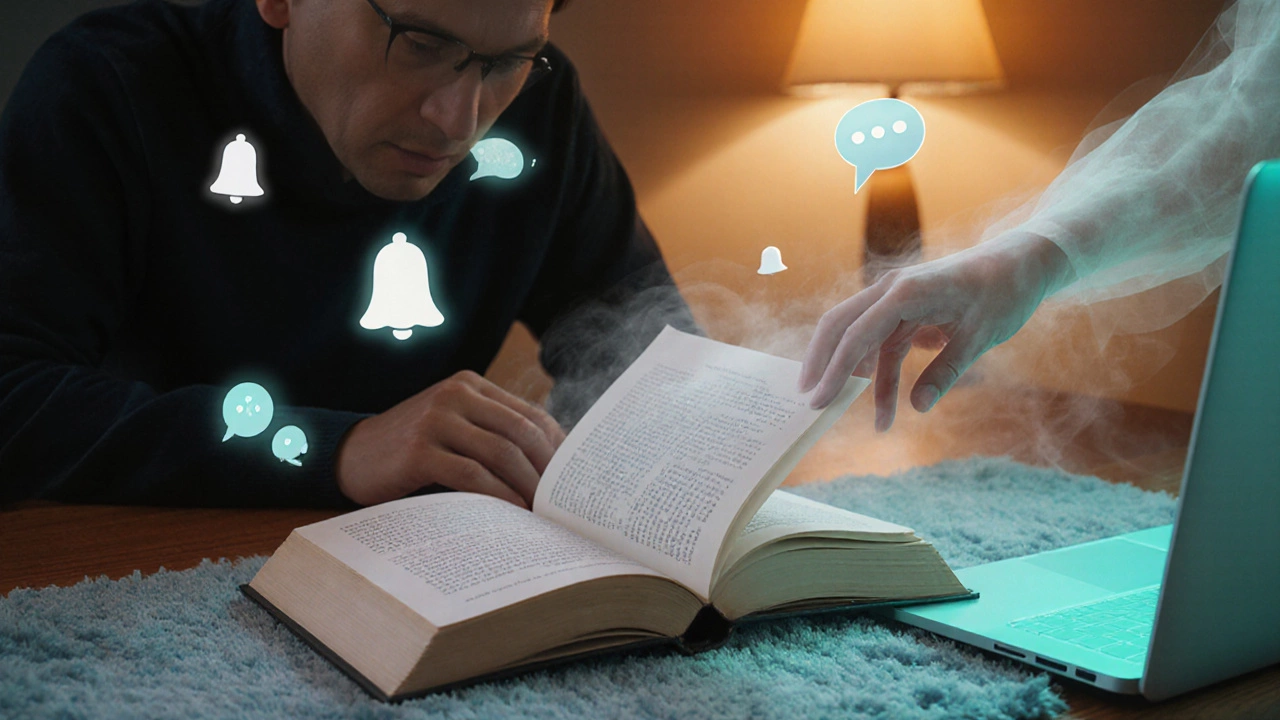
There’s a reason posts about digital detox, a deliberate break from digital devices to restore mental clarity are trending. People are realizing that reading a book isn’t enough if you’re doing it while your phone buzzes with alerts. The best stories—the ones about personal growth, quiet courage, or hidden histories—need quiet to matter. You don’t need to delete your apps. You just need to create pockets of stillness. Turn off notifications. Read one chapter without checking your phone. Let your mind wander after a page. That’s how you reconnect—not with more content, but with yourself.
Below, you’ll find real insights from readers and writers who’ve been there. From why YA fiction draws adult readers tired of noise, to how Alfred Hitchcock built suspense without screens, to how reading more books can actually help your brain recover—you’ll see how digital fatigue isn’t just a problem. It’s a signal. And the solutions are simpler than you think.
Ghost Reading Explained: The Latest Reading Trend
Ghost reading is when you start a book and then abandon it without finishing. Learn why it happens, how to spot it, its impact on publishing, and practical tips to stop ghosting your books.