Dickens: The Master of Victorian Fiction and His Lasting Influence
When you think of Dickens, the iconic 19th-century English novelist whose stories exposed the harsh realities of industrial Britain. Also known as Charles Dickens, he didn’t just write books—he held up a mirror to society and forced readers to look. His characters weren’t just fictional—they felt real because they were drawn from the streets of London, the workhouses, and the crowded tenements where people struggled to survive. Dickens didn’t wait for change to happen. He wrote about it until people couldn’t ignore it anymore.
His work connects deeply with Victorian literature, the body of writing produced during Queen Victoria’s reign, marked by moral questions, class struggles, and rapid social change. But what sets Dickens apart is how he used storytelling as a weapon. In Oliver Twist, he showed how children were treated like disposable labor. In A Christmas Carol, he made greed feel personal, even to those who had never met a beggar. And in Bleak House, he tore open the legal system to reveal its absurd cruelty. These weren’t just novels—they were calls to action. Today, you’ll still find his themes alive in modern books about inequality, justice, and redemption. He didn’t just influence classic novels, timeless works that continue to shape how we think about human nature and society; he redefined what a novel could do.
What makes Dickens still matter isn’t just his plots or his humor—it’s his empathy. He wrote about the forgotten, the poor, the overlooked. And he made readers care. His books don’t feel old. They feel urgent. That’s why you’ll find his name popping up in discussions about social justice, education reform, and even modern TV dramas that follow the same emotional arcs he pioneered. He was the original storyteller who made the invisible visible.
Below, you’ll find posts that dig into the world Dickens shaped—how his themes echo in today’s fiction, why his characters still haunt us, and how his style influenced generations of writers who followed. Whether you’re revisiting his work or discovering it for the first time, these articles will help you see why Dickens isn’t just a name in a textbook—he’s still talking to us.
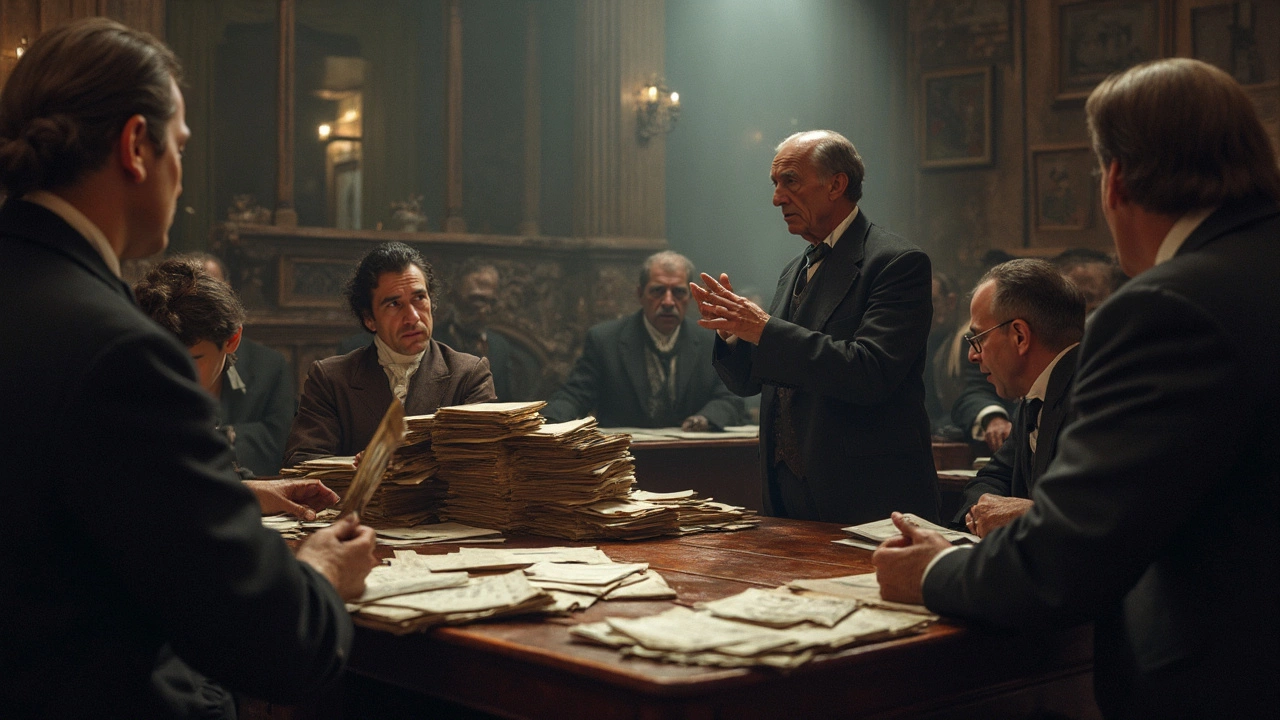
Dickens' Main Message in Bleak House: Corruption, Justice, and Hope
This article unpacks the main message Charles Dickens delivers in 'Bleak House.' It digs into how Dickens uses the novel to challenge the legal system, highlight social injustice, and call for change in Victorian England. You'll see how he weaves stories of real people caught in endless bureaucracy and uses memorable characters to bring these problems to life. Get practical insights into the themes, facts about the era, and tips for understanding Dickens' style. Perfect for anyone wanting to grasp what's truly at the heart of 'Bleak House.'