Culture in Books: How Stories Shape and Reflect Our World
When we read, we don’t just follow characters—we step into the culture, the shared beliefs, traditions, and values that shape how people live, think, and tell stories. Also known as social fabric, it’s the invisible force behind every choice a character makes, every conflict they face, and every ending they reach. Whether it’s a quiet moment in a rural Indian village or a high-stakes power play in a dystopian future, culture is what gives depth to the story. It’s not just background—it’s the reason why a romance feels real, why a thriller chills you to the bone, and why a historical novel sticks with you long after you turn the last page.
Think about historical fiction, a genre that uses the past to explore present-day questions about power, identity, and memory. It doesn’t just retell events—it asks what those events meant to the people living them. That’s why books set in colonial India, wartime Europe, or ancient empires still feel urgent today. They show us how culture shapes who we are, and how it changes when people resist, adapt, or survive. Meanwhile, romance novels, a genre evolving beyond clichés to include grief, queer love, and everyday resilience. These stories aren’t just about two people falling in love—they’re about how culture dictates who we’re allowed to love, how we grieve, and what happiness looks like in different societies. And then there’s the psychological thriller, a genre that digs into the hidden rules of behavior, trauma, and control within families, institutions, and social groups. These stories work because they tap into our deepest fears about belonging, silence, and the cost of conformity.
And let’s not forget self-discovery, the quiet, personal journey that underlies so many of the books we return to again and again. Whether it’s choosing to become the person you’ve been afraid to be, or realizing you’re not broken for feeling too much, these stories resonate because they reflect the cultural pressures we all face—to perform, to fit in, to be strong. Culture doesn’t just surround us—it lives inside us. And the best books don’t just show us the world. They show us how to find ourselves in it.
Below, you’ll find a collection of posts that dig into exactly this: how culture shapes the stories we read, the characters we love, and the questions we can’t stop asking. From the myths behind ancient gods to the quiet rebellion of YA readers, from the hidden rules of dark romance to the real reasons we keep reading historical fiction—you’ll see how culture isn’t just a setting. It’s the heartbeat of every page.
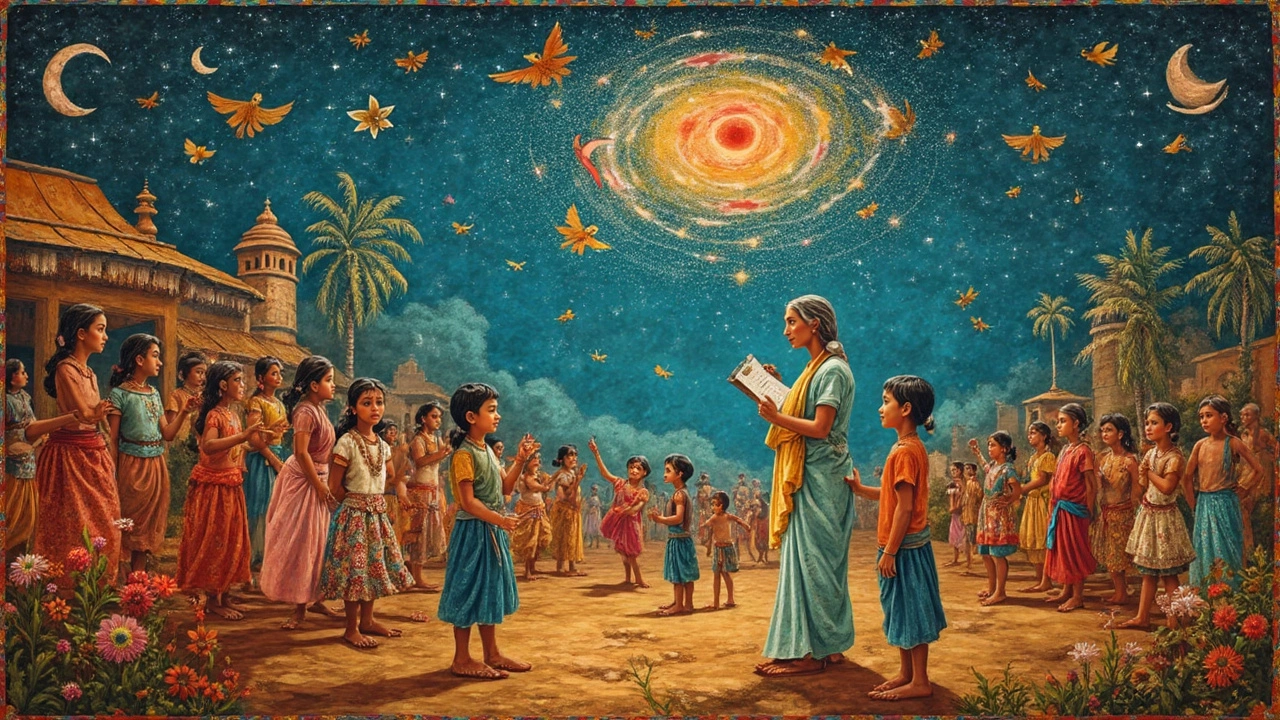
Exploring Cultural Narratives: The Three Types That Shape Our World
Cultural narratives shape how we view our world and understand our place within it. These narratives come in three key types: personal, collective, and meta, each offering unique insights into human experience. Understanding them helps us see the world through different lenses and appreciate diverse perspectives. From personal anecdotes to shared histories and overarching myths, these narratives influence our beliefs and behaviors. Grasping each type can uncover rich stories behind cultures and societies.