Bleak House
When you think of Bleak House, a groundbreaking 1852 novel by Charles Dickens that exposes the corruption and delays of England’s Court of Chancery. Also known as Dickens’ most complex legal satire, it doesn’t just tell a story—it pulls back the curtain on a system that crushed ordinary lives. This isn’t just a book about lawyers and inheritance. It’s about how institutions fail people, how silence becomes complicity, and how hope survives even in the darkest corners of society.
Charles Dickens, a 19th-century English writer who used fiction to fight for social reform didn’t write Bleak House to entertain. He wrote it because the Court of Chancery was literally killing people—delaying cases for decades, eating up fortunes, and leaving widows and orphans with nothing. The novel’s famous opening, with fog choking London and the case of Jarndyce and Jarndyce dragging on forever, isn’t metaphor. It’s reportage. And it’s why modern writers still turn to Bleak House when they want to show how systems grind people down. Think of today’s slow-moving courts, broken welfare systems, or bureaucratic nightmares—you’re seeing its ghost.
Victorian literature, the body of writing produced during Queen Victoria’s reign, known for its moral urgency and detailed social observation gave us Bleak House as one of its fiercest examples. Unlike romantic tales of love and nobility, this novel is full of flawed characters: the naive Esther Summerson, the cynical Tulkinghorn, the desperate Jo the street sweeper. These aren’t archetypes—they’re people you’d meet on any street in London then, or now. The book’s power comes from its refusal to look away. It doesn’t offer easy answers. It shows you the mess, and forces you to sit with it.
What makes Bleak House still relevant? It’s not just the plot. It’s how it blends personal drama with institutional critique. You’ll find echoes of it in modern stories about class, justice, and survival—from legal dramas to dystopian fiction. The novel’s structure, with its multiple narrators and shifting perspectives, was revolutionary. It taught writers that truth isn’t found in one voice, but in the noise between them.
And then there’s the language. Dickens didn’t write for scholars. He wrote for the working class who bought his stories in weekly installments. His sentences snap. His characters stick. His anger is quiet, but it’s there—like a cold draft in a hallway you can’t escape. That’s why people still read Bleak House. Not because it’s old. But because it’s true.
Below, you’ll find posts that dig into why this novel still matters, how it shaped modern storytelling, and what it reveals about power, poverty, and the people caught in between. Some look at its characters. Others compare it to today’s legal crises. All of them ask the same question: if we still see the same patterns today, what does that say about us?
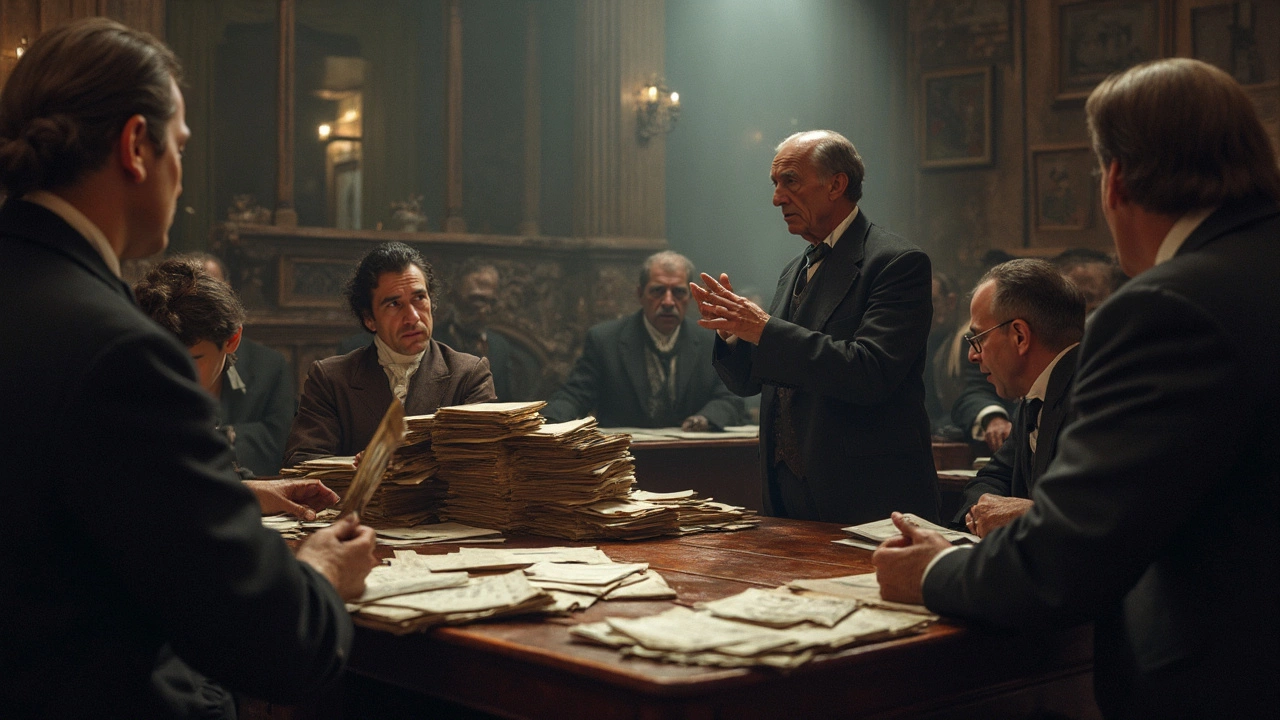
Dickens' Main Message in Bleak House: Corruption, Justice, and Hope
This article unpacks the main message Charles Dickens delivers in 'Bleak House.' It digs into how Dickens uses the novel to challenge the legal system, highlight social injustice, and call for change in Victorian England. You'll see how he weaves stories of real people caught in endless bureaucracy and uses memorable characters to bring these problems to life. Get practical insights into the themes, facts about the era, and tips for understanding Dickens' style. Perfect for anyone wanting to grasp what's truly at the heart of 'Bleak House.'