Historical Fantasy Genre Identifier
Confused about where a book belongs? Select the key characteristics of your story or book below to determine its primary genre classification.
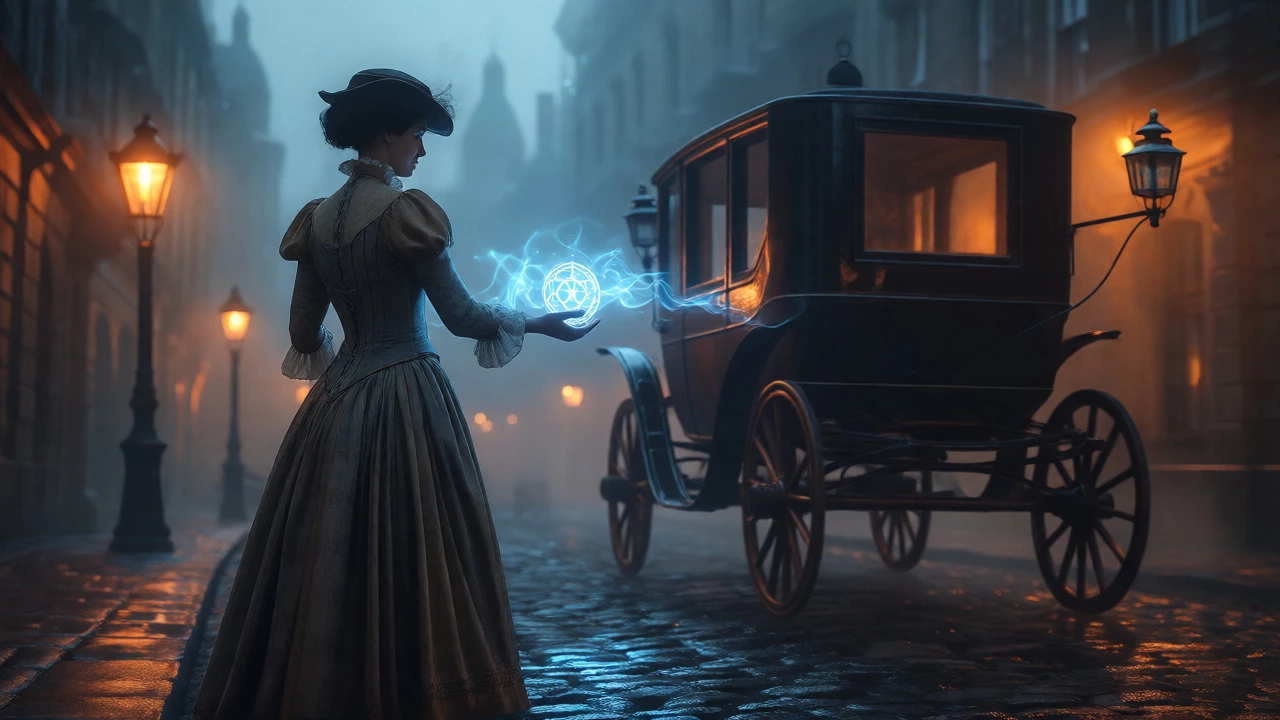
You pick up a book set in Victorian London. The fog is thick, the carriages rattle over cobblestones, and the protagonist wears a corset that looks historically accurate. But then, she pulls a glowing rune from her pocket and stops time to avoid being run over by a hansom cab. Is this Historical Fantasy? Or is it just urban fantasy with a fancy costume? This confusion isn't rare. Readers often struggle to draw the line between strict historical fiction, alternate history, and true historical fantasy. If you're trying to write one, or simply want to know what shelf to look for in your local bookstore, understanding the boundaries matters.
The core issue isn't just about labels; it's about expectations. When you read Pride and Prejudice, you expect social maneuvering, not dragons. When you read A Game of Thrones, you expect magic, but in a world that never existed. Historical fantasy sits awkwardly in the middle. It demands the research rigor of a historian and the creative liberty of a myth-maker. Let's break down exactly what qualifies, so you can spot it instantly next time you're browsing.
The Core Definition: Where History Meets Magic
Historical fantasy is a subgenre of speculative fiction that combines elements of historical fiction with fantastical elements such as magic, mythical creatures, or supernatural events within a recognizable historical setting. That’s the textbook answer. But let’s make it practical. For a story to count, two pillars must stand firm: a real-world historical period and an intrusion of the impossible.
If the magic is just a metaphor-like a character feeling "magically" drawn to another-that doesn’t count. The supernatural element must be literal. However, the degree of magic varies wildly. Some books feature subtle, ambiguous spirits (think Gothic horror), while others have full-blown wizards casting fireballs in Renaissance Florence. Both fit, provided the setting remains anchored in our actual past.
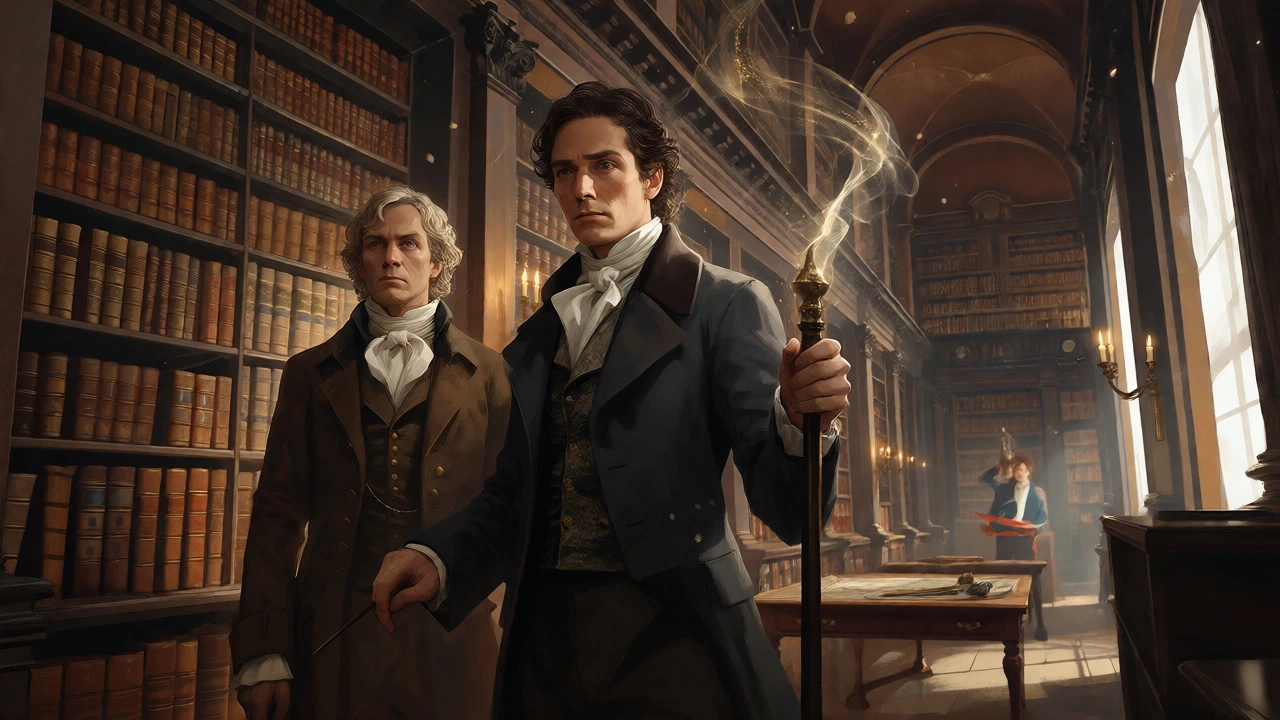
Consider Jonathan Strange & Mr Norrell by Susanna Clarke. It’s set in early 19th-century England during the Napoleonic Wars. The history is dense, referencing real figures like Wellington and Byron. Yet, magic has returned to England after centuries of absence. This is the gold standard. The history feels real because the author respects the timeline, even while bending reality around it.
Distinguishing Historical Fantasy from Adjacent Genres
People often mix up historical fantasy with three other genres. Knowing the difference saves you from buying the wrong book-or writing the wrong pitch.
- Alternate History: Here, history diverges due to a single event (e.g., Germany won WWII). Usually, there is no magic. If aliens invade in 1940, that’s science fiction or alternate history, not necessarily fantasy unless those aliens use magic. If the divergence point is the discovery of magic, it becomes historical fantasy.
- Urban Fantasy: Typically set in the present day. If you move the same plot back to 1890s New York, it shifts to historical fantasy. The key is the temporal setting.
- Magical Realism: Often confused with historical fantasy. In magical realism, the magic is treated as mundane by the characters. In historical fantasy, the magic usually disrupts the status quo or is hidden/secretive. Also, magical realism often lacks a specific, researched historical backdrop, focusing more on allegory.
Here is a quick breakdown to help you categorize tricky titles:
| Feature | Historical Fiction | Historical Fantasy | Alternate History |
|---|---|---|---|
| Setting | Real Past | Real Past | Real Past (Diverged) |
| Magic/Supernatural | Absent or Metaphorical | Present and Literal | Rarely Present |
| History Accuracy | High Fidelity | Flexible but Grounded | Changed by Divergence |
| Example | Wolf Hall | The Night Circus | The Man in the High Castle |
The Spectrum of Magic: Low vs. High
Not all historical fantasy looks the same. You need to decide where on the spectrum your interest lies, or where your own writing fits.
Low Historical Fantasy leans heavily into the "realistic" side. The magic is subtle, dangerous, or barely explained. Think of Susanna Clarke’s Piranesi (though arguably its own genre) or works by Neil Gaiman like The Ocean at the End of the Lane. In these stories, the historical details are paramount. The magic serves to enhance the atmosphere or explore psychological themes rather than drive action through spells. Readers here want immersion in the era first, wonder second.
High Historical Fantasy integrates magic into the societal structure. Magic might be regulated, feared, or worshipped. Take Naomi Novik’s Uprooted or her later work Spinning Silver, which reimagines Rumpelstiltskin in a Baltic-inspired historical setting. Here, magic changes how people live, trade, and fight. The rules of magic are often codified, similar to hard fantasy systems. This appeals to readers who love world-building mechanics alongside historical aesthetics.
There’s also the Mythic-Historical Blend. This occurs when real myths are treated as historical facts within the narrative. For example, if a novel posits that the Trojan War happened because Aphrodite actually intervened, that’s historical fantasy. Authors like Madeline Miller (Circe) blur this line. While often shelved in literary fiction, they fit the criteria: real-world ancient settings with literal divine intervention.
Why Setting Matters More Than Plot
You might think the plot determines the genre. Wrong. The setting does. You could have a romance plot, a murder mystery, or a war epic. If it takes place in a documented historical period and includes literal supernatural elements, it’s historical fantasy.
This flexibility is why the genre is exploding. Writers can tackle serious historical issues-slavery, colonialism, gender roles-through the lens of magic. For instance, N.K. Jemisin’s The City We Became uses modern cities, but her earlier work or similar authors like Tasha Suri use historical Indian settings to explore caste and power dynamics via elemental magic.
The "historical" part requires respect. If you’re writing it, you can’t just slap a wig on a modern character. You need to understand the constraints of the era. Women couldn’t vote in most Western countries until the 20th century. Communication was slow. Disease was rampant. Magic can change these things, but it shouldn’t erase them without consequence. If magic solves every problem, the tension evaporates. The best historical fantasy uses magic to highlight the limitations of the era, not ignore them.
Common Pitfalls and Misconceptions
One major misconception is that historical fantasy must be "serious." It doesn’t. It can be comedic, romantic, or adventurous. Discworld’s Ankh-Morpork has historical parallels, but it’s secondary world fantasy. However, Terry Pratchett’s Good Omens (with its historical flashbacks) touches on the vibe. Don’t confuse tone with genre.
Another pitfall is "Costume Drama with Fairies." If the historical setting is just a backdrop and the history itself isn’t integral to the conflict, it might feel shallow. Readers of this genre are often history buffs. They will fact-check you. If you claim a technology exists in 1600 that wasn’t invented until 1750, and magic isn’t the reason, you’ll lose credibility. Magic can explain anachronisms, but lazy writing cannot.
Also, beware of the "Secret History" trope. This is where famous historical events were caused by secret magical societies. It’s fun, but it’s a cliché. To stand out, focus on the personal impact of magic on ordinary people, not just kings and wizards. How did a peasant react to seeing a dragon? How did a merchant adjust his trade routes because of a cursed river?
How to Spot Quality Historical Fantasy
If you’re looking for recommendations, check these signals:
- Research Notes: Good authors include appendices explaining what was real and what was made up. This shows respect for the reader’s intelligence.
- Language Style: The dialogue should feel appropriate for the era, even if it’s not perfectly archaic. Modern slang breaks immersion immediately.
- Magic Costs: In quality historical fantasy, magic usually comes with a price. This mirrors the harsh realities of the past. Nothing is free in history, and nothing should be free in magic.
- Integration: Does the magic feel woven into the culture? If everyone ignores the magic except the protagonist, it’s likely urban fantasy transplanted. If society has adapted to it, it’s historical fantasy.
For example, Erin Morgenstern’s The Night Circus is set in the late 19th century. The magic is central to the plot, but the aesthetic and pacing reflect the Victorian fascination with spectacle and illusion. It’s a perfect blend.
The Future of the Genre
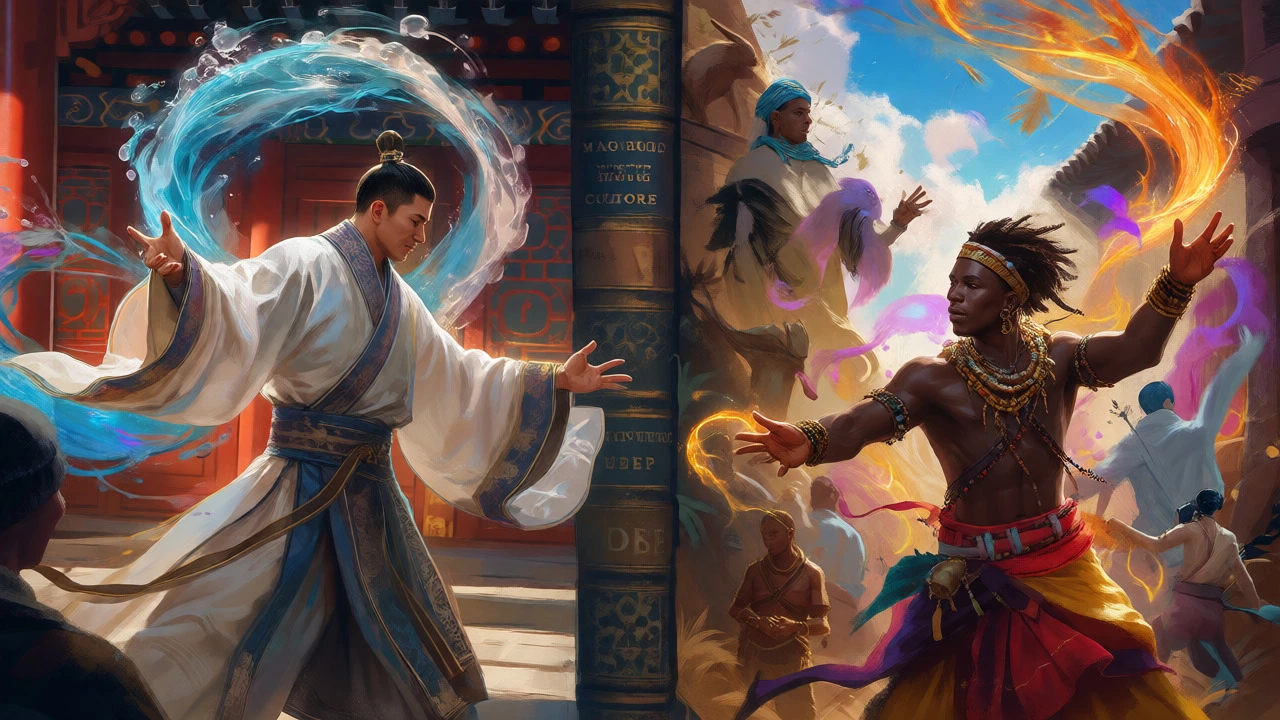
We are seeing a shift away from Eurocentric historical fantasy. For decades, the default was Victorian England or Ancient Rome. Now, we see rich narratives from West Africa, Imperial China, and Pre-Columbian Americas. Authors like Marlon James (Black Leopard, Red Wolf) challenge the very definition by blending African folklore with a loose historical framework. This expansion enriches the genre, offering new perspectives on how magic intersects with human history.
So, what counts as historical fantasy? It counts when the past is alive, breathing, and slightly enchanted. It’s not just about old clothes; it’s about exploring the unknown parts of known times. Whether you’re reading or writing, keep your feet in the history and your head in the clouds.
Is Star Wars considered historical fantasy?
No. Star Wars is set in a fictional universe with its own timeline and planets. Historical fantasy requires a connection to Earth's actual past. Even though it says "A long time ago," it doesn't refer to our history.
Can historical fantasy include time travel?
Yes, if the primary setting is the historical period and the magic/supernatural element is central. If the story is mostly about jumping between eras, it might lean toward sci-fi or portal fantasy. But if a character travels back to Tudor England and uses magic there, it fits.
Does the magic have to be traditional (wands, spells)?
Absolutely not. Magic can be alchemical, divine, technological-looking, or based on folklore. As long as it defies natural laws known to that historical period, it qualifies.
Is Harry Potter historical fantasy?
Mostly no, because it is set in the contemporary world (1990s). However, Fantastic Beasts is set in the 1920s, making it historical fantasy. The distinction is purely about the time period relative to the reader's present.
How much historical accuracy is required?
It depends on the subgenre. "Hard" historical fantasy requires high accuracy regarding customs, language, and politics. "Soft" versions allow for more artistic license. However, blatant errors that aren't explained by magic usually frustrate readers.