Young Adult Fiction: Who Reads It and Why It Matters
When we talk about young adult fiction, a genre of literature aimed at readers aged 12 to 18, often featuring coming-of-age themes and relatable emotional struggles. Also known as YA, it’s become one of the most powerful forces in publishing—not because teens are reading it more, but because adults are. The idea that YA is just for teenagers is a myth. In fact, studies show that over 55% of YA readers are adults. Why? Because these stories don’t talk down to you. They get messy, real, and raw in a way few other genres do.
Young adult fiction often explores identity, belonging, first love, loss, and rebellion—but it does so without sugarcoating. That’s why it connects so deeply with people in their 30s, 40s, and beyond. Think of it as emotional time travel: you revisit the confusion of figuring out who you are, but now you have the wisdom to see it clearly. The YA audience, a broad and diverse group of readers who engage with stories centered on adolescent experiences, regardless of their actual age includes teachers, parents, therapists, and retirees—all drawn to the honesty in these books. And it’s not just about nostalgia. YA tackles modern issues like mental health, queer identity, systemic injustice, and climate anxiety with a directness that adult fiction often avoids.
What makes YA different from other genres isn’t the age of the characters—it’s the pacing, the voice, and the emotional stakes. These books move fast. They cut through noise. They don’t waste time on exposition. You’re in the protagonist’s head from page one, feeling every doubt, every thrill, every heartbreak. That’s why teen books, a common term for literature marketed to adolescents, often featuring protagonists aged 13–19 and themes of self-discovery and social pressure feel so urgent. They’re not just stories about growing up—they’re stories about surviving it.
The lines between YA and new adult, a category bridging teenage and adult fiction, typically featuring protagonists aged 18–25 navigating early adulthood, college, and independence are blurrier than ever. Books like Fourth Wing sit right in the middle, pulling in readers who want the intensity of YA with the complexity of adult themes. And that’s okay. Labels matter less than the feeling you get when you finish a book and think, That was me.
What you’ll find in this collection isn’t just a list of books. It’s a map of why millions of adults keep coming back to YA—not because they’re stuck in their teens, but because these stories help them understand who they’ve become. From the quiet power of first love to the chaos of finding your place in the world, YA doesn’t just reflect life—it sharpens it.
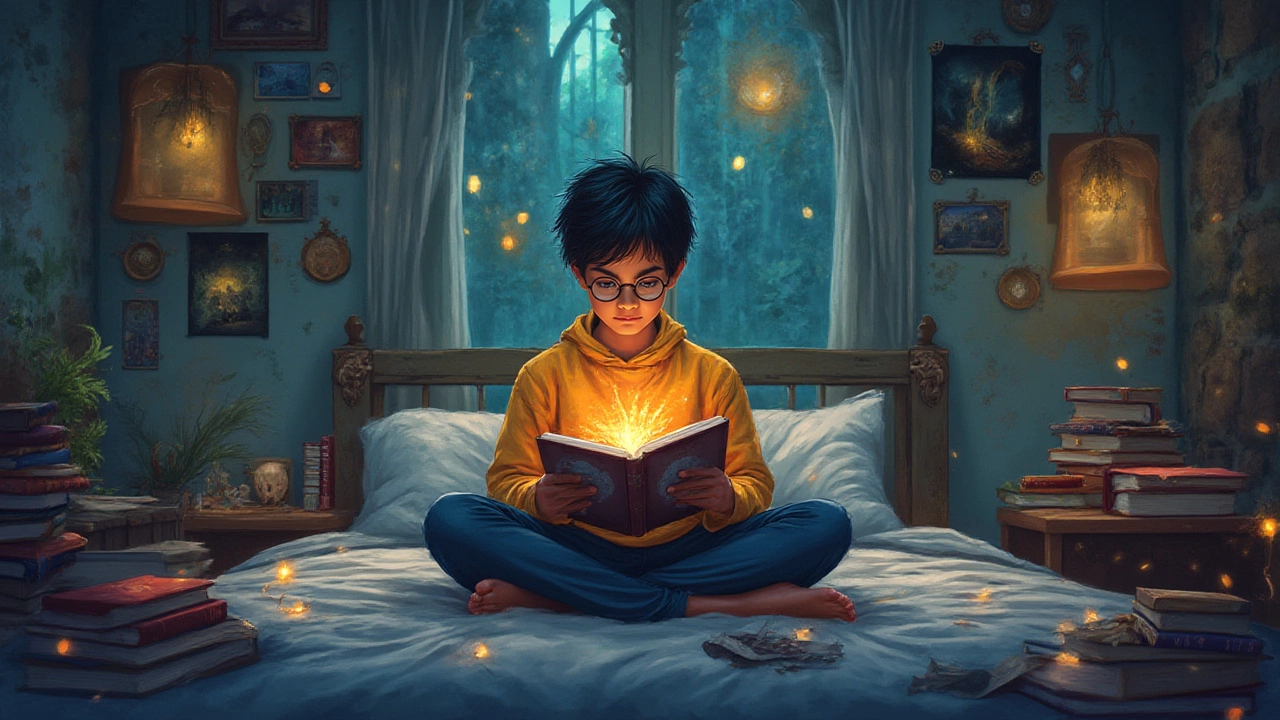
Is Harry Potter Really a Young Adult Book? Breaking Down the Magic
Is Harry Potter truly a young adult series? We dig deep into its age group, themes, marketing tricks, and reader debates—plus, what makes a book ‘YA’ at all.
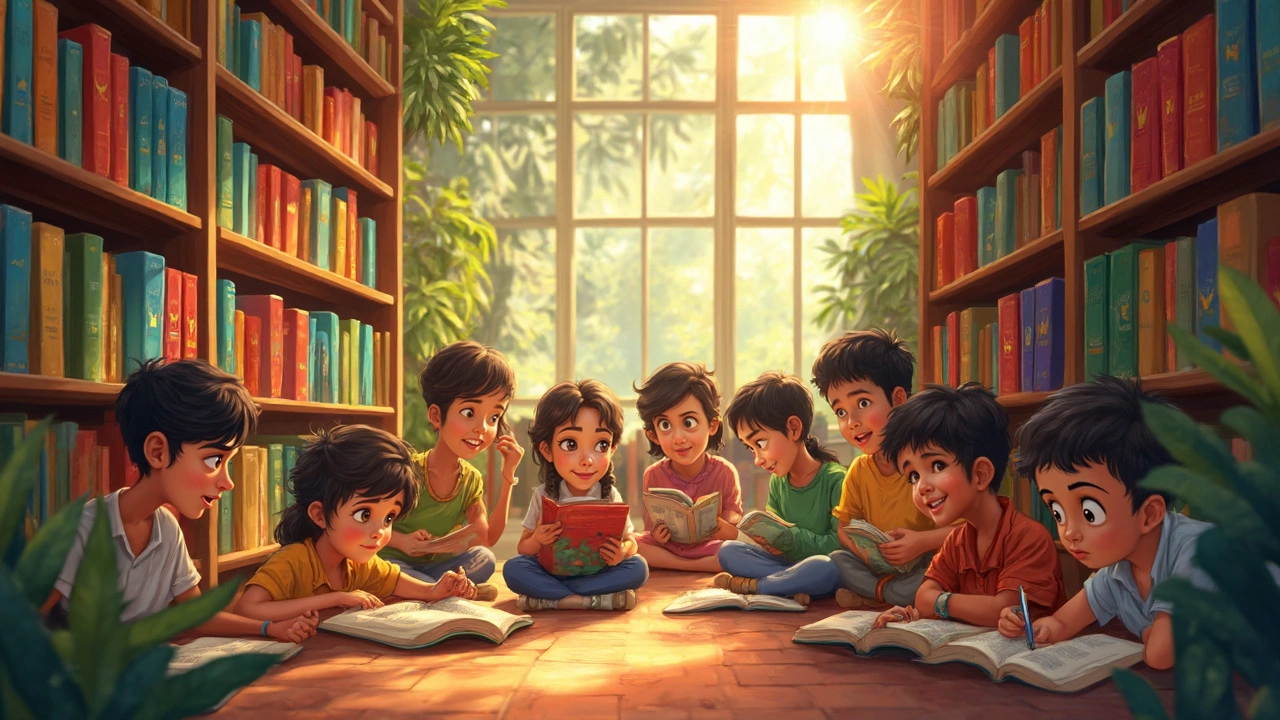
What Does MG Stand For in Books? Quick Guide for YA Fans
Curious about what MG stands for when browsing books? This article breaks down the meaning of MG, how it's different from other book categories, and why it matters whether you're a reader or a writer. Get practical tips on choosing the right MG books and insight into what makes these stories tick. It's everything you need to know about the world of MG in one handy spot.
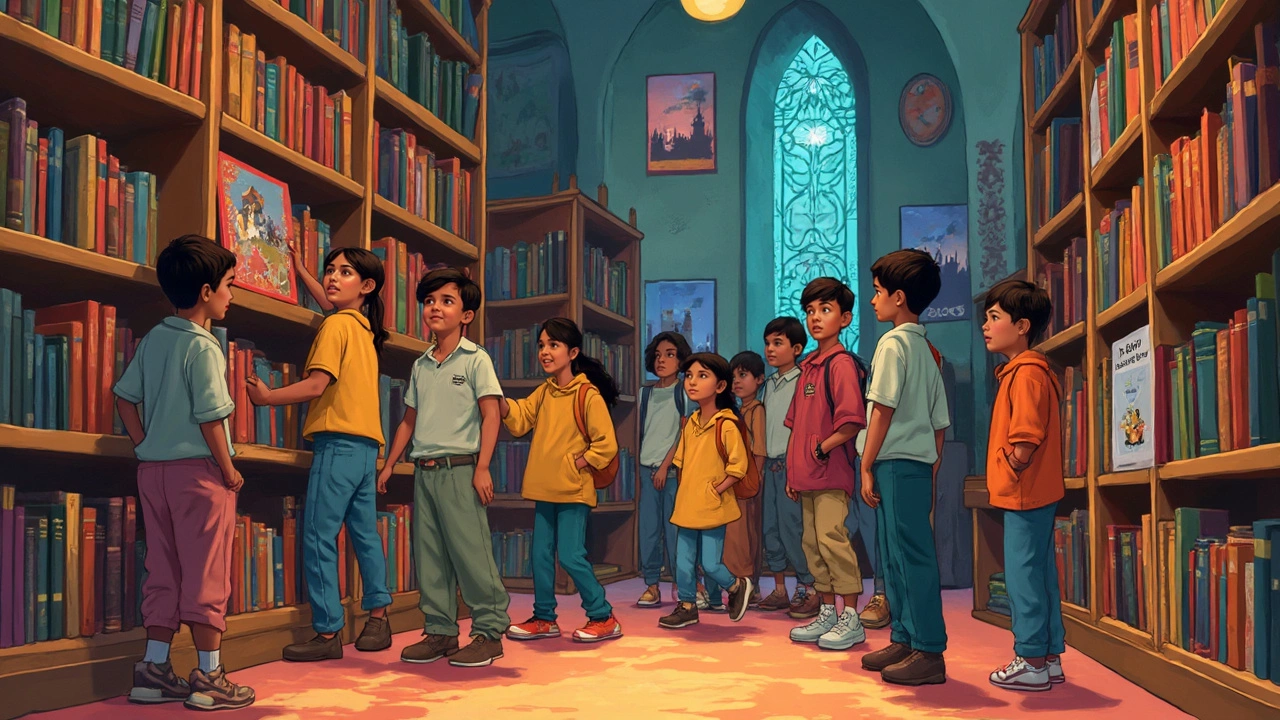
Is Harry Potter a Children's Book or YA? Breaking Down the Audience Debate
People love to argue about whether Harry Potter belongs on the children's shelf or the YA (young adult) shelf. The book series starts light and gets darker and deeper as it goes on, so where does it actually fit? This article tackles why the age debate matters, walks you through the changes in themes and style through each book, and explains what publishers and libraries do with the series. By the end, you’ll know what makes Harry Potter so hard to pin down and how that affects what you choose for yourself or the young readers in your life.