Thriller Movies: What Makes a Psychological Thriller Unputdownable
When you think of thriller movies, a genre built on tension, unpredictability, and emotional stakes. Also known as suspense films, they don’t just scare you—they make you question what’s real, who to trust, and how far someone will go to survive. It’s not about jump scares or blood. It’s about the slow creep of dread, the whisper in the dark that makes you check the locks again.
The best psychological thriller, a subgenre where the real danger lives inside the mind. Also known as dark thriller, it turns thoughts into weapons and memories into traps. Think unreliable narrators, hidden traumas, and characters who aren’t sure if they’re the hero or the villain. This isn’t just about a killer on the loose—it’s about the killer inside the protagonist’s head. These stories don’t need guns or chase scenes. A quiet stare, a paused breath, a deleted text message—they’re enough to shatter your sense of safety.
What separates a good thriller from a great one? It’s the way it lingers. You finish it and still hear the ticking clock in your head. You replay scenes, looking for clues you missed. That’s the power of unreliable narrator, a character whose version of events can’t be trusted. It’s not just a twist—it’s a rewiring of your understanding. And when it’s done right, you don’t just watch the story—you become part of its confusion.
Thriller movies thrive on what’s left unsaid. The silence between words. The shadow behind the door. The reason someone smiles too long. The posts below dive into exactly that—what makes these stories stick, which films redefine the genre, and how the line between sanity and obsession gets blurred. You’ll find deep dives into the darkest corners of suspense, the books that inspired the films, and why some thrillers feel like they’re watching you back.
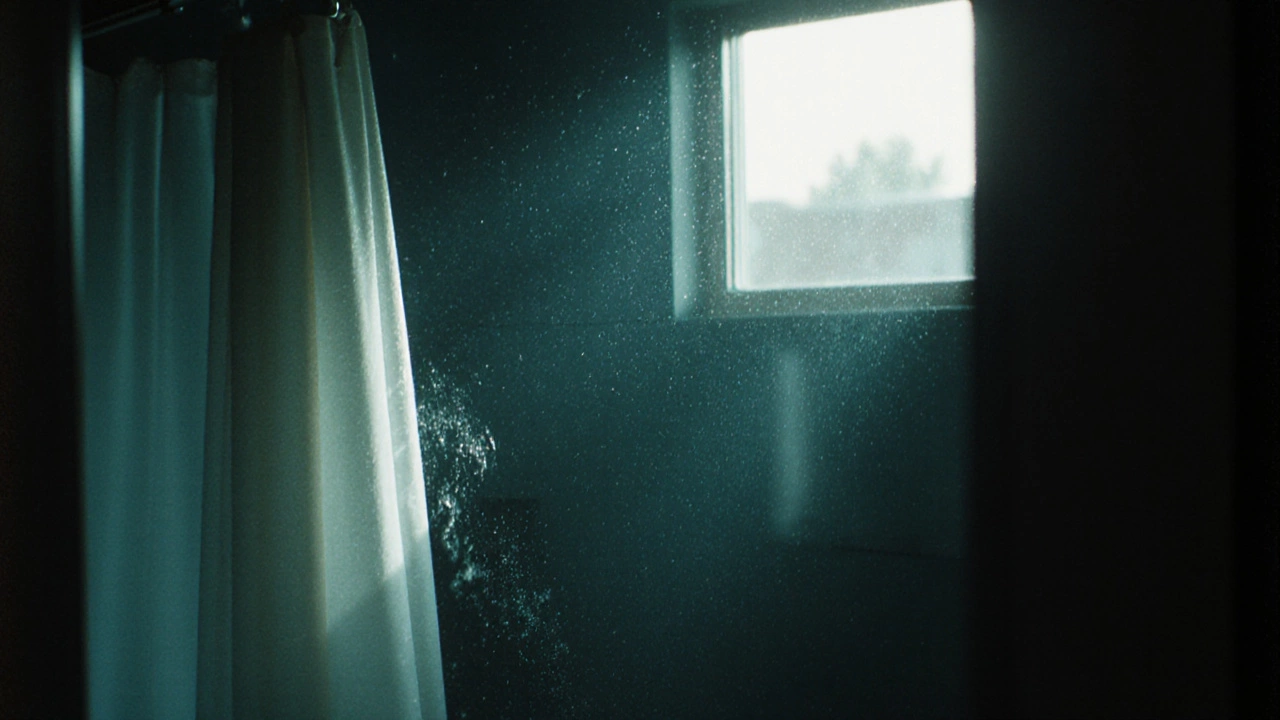
Who Is the King of Suspense in Movies?
Alfred Hitchcock remains the undisputed king of movie suspense, crafting tension through psychology, timing, and silence-not blood or jump scares. His techniques still shape thrillers today.