Percy Jackson: Myth, Magic, and Modern Adventure in YA Fiction
When you think of Percy Jackson, a modern young adult fantasy series that reimagines Greek gods in today’s world. Also known as Percy Jackson & the Olympians, it’s not just a book series—it’s a cultural reset for how kids and teens see mythology. Before Percy picked up his pen-and-ink sword in a New York school, Greek gods were dusty figures in textbooks. After him? They live in subway tunnels, run camps in upstate New York, and argue over who gets the last slice of pizza.
Percy Jackson isn’t just about monsters and magic. It’s about identity, belonging, and finding your place when the world tells you you’re broken. The series ties directly into YA fiction, a genre built for readers navigating change, self-doubt, and growing up. That’s why adults read it too—because it doesn’t talk down to you. It doesn’t sugarcoat the messiness of being a kid with ADHD and dyslexia who suddenly learns he’s the son of Poseidon. And it’s that honesty that connects to Greek mythology, ancient stories about power, fate, and human flaws. Rick Riordan didn’t just retell myths—he turned them into mirrors.
What makes Percy Jackson stick isn’t the lightning bolts or the talking satyrs. It’s how every character carries real pain. Annabeth’s fear of failure. Grover’s struggle to be accepted. Clarisse’s rage hiding deep loneliness. These aren’t fantasy tropes—they’re emotional truths dressed in godly armor. And that’s why the series still dominates shelves over a decade later. It’s not just about saving the world. It’s about learning you’re enough, even when you feel like you don’t belong.
From the Camp Half-Blood training grounds to the Underworld’s endless halls, Percy Jackson’s world is built on a foundation of research, humor, and heart. It’s a gateway for kids to discover Homer and Hesiod, for teachers to use myths in class, and for readers to ask: What if the gods were real—and they picked me?
Below, you’ll find posts that dig into why this series changed YA fiction, how it compares to other myth-based stories, and what makes it so hard to put down—even if you’re not a teen anymore.
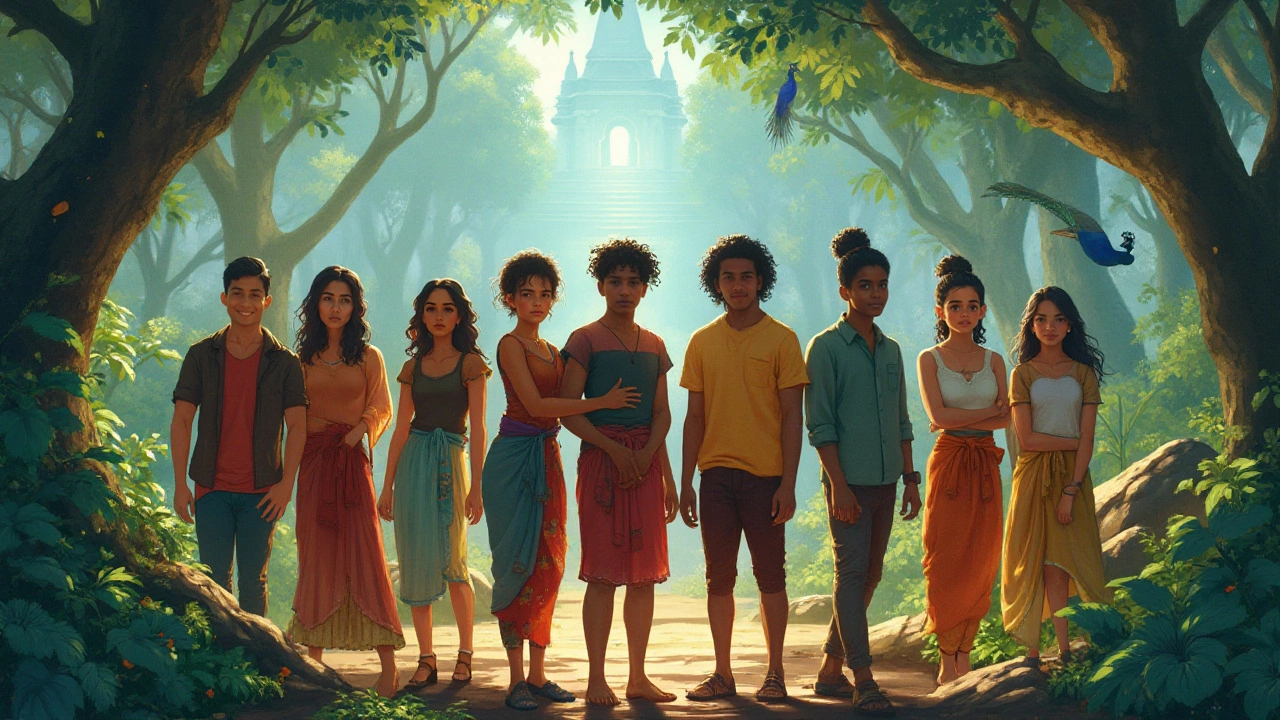
Exploring LGBTQ Themes in Percy Jackson's Universe
This article dives into the representation of LGBTQ characters in the world of Percy Jackson, a popular young adult fiction series penned by Rick Riordan. The piece discusses the presence, significance, and development of LGBTQ themes and characters within the series, examining how these narratives reflect current societal trends. By providing insight into subsequent series and character arcs, the article sheds light on the evolving landscape of inclusivity within this beloved fantasy universe. It also offers perspectives on how such representation impacts readers and celebrates diversity in young adult literature.