Alfred Hitchcock: Master of Suspense and Psychological Thrillers
When you think of Alfred Hitchcock, the British filmmaker who turned fear into art and suspense into a science. Also known as the Master of Suspense, he didn’t just make movies—he built psychological traps that still haunt readers and viewers today. His films like Psycho, Vertigo, and North by Northwest weren’t just entertainment. They were experiments in how the mind reacts to uncertainty, guilt, and hidden danger. And that’s exactly why his influence stretches far beyond cinema—into the books you’re reading right now.
Psychological thriller, a genre built on tension, unreliable narrators, and the slow unraveling of sanity didn’t start with modern bestsellers. It was Hitchcock who showed the world that the scariest thing isn’t a monster under the bed—it’s the voice in your head telling you something’s wrong, and no one else believes you. That’s the same feeling you get reading Girl on the Train or The Silent Patient. Suspense films, stories where the audience knows more than the characters, creating unbearable anticipation became a blueprint for how to write books that make you turn pages faster than you can breathe. Even dark romance, a genre where love and danger twist together in toxic, gripping ways owes a debt to Hitchcock’s obsession with obsession. Think of the manipulative lovers, the hidden pasts, the gaslighting—those aren’t new tropes. They’re Hitchcockian.
You’ll find his fingerprints in every story where the hero isn’t brave, just desperate. Where the villain isn’t a monster, but someone you almost trust. Where the twist isn’t a surprise—it’s a punch you saw coming but couldn’t stop. The posts below explore how his techniques live on: in thriller novels that make your heart race, in romance stories that blur the line between love and control, and in the quiet, creeping dread that turns a simple conversation into a life-or-death moment. If you’ve ever stayed up too late reading because you couldn’t put the book down, you’ve felt Hitchcock’s hand on your shoulder.
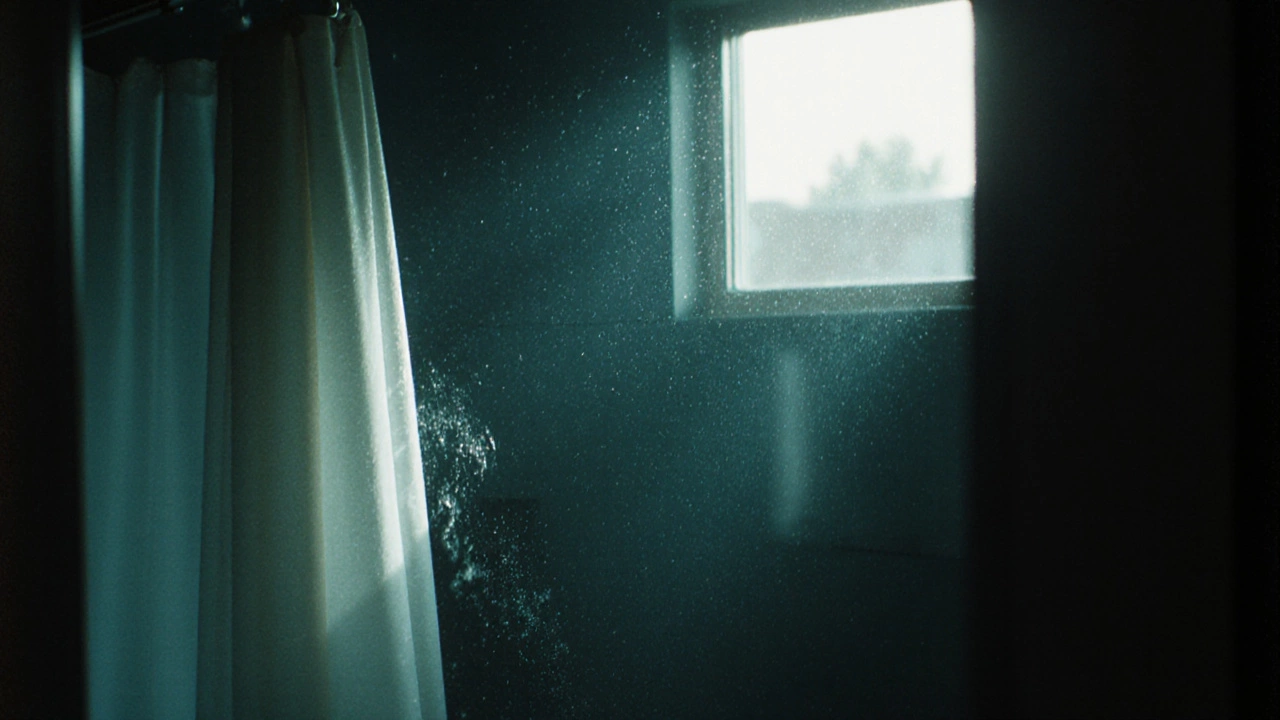
Who Is the King of Suspense in Movies?
Alfred Hitchcock remains the undisputed king of movie suspense, crafting tension through psychology, timing, and silence-not blood or jump scares. His techniques still shape thrillers today.