Age Categories in Books: Who Reads What and Why
When you pick up a book labeled young adult fiction, a genre typically marketed to readers aged 12 to 18, but often consumed by adults, you’re not just choosing a story—you’re stepping into a cultural label that doesn’t always match the reader. The truth? new adult, a category for stories focused on characters aged 18 to 25 navigating early adulthood isn’t a formal publishing standard, yet it’s everywhere. And children’s books, designed for readers under 12, often become family read-aloud favorites far beyond their intended age group. These aren’t just marketing boxes—they reflect real shifts in how people connect with stories at different life stages.
Age categories exist because publishers need to sell books, but readers don’t care about the labels. A 35-year-old might find more comfort in a young adult coming-of-age story than in a so-called "adult" novel about midlife crises. Why? Because YA captures raw emotion, identity struggles, and first-time decisions in a way that feels urgent and honest. Meanwhile, reading levels, a practical system used by schools and librarians to match books to cognitive and linguistic ability often get ignored by casual readers who follow their mood, not their birth year. The line between teen and adult fiction blurs when themes like grief, first love, or finding your voice appear in both. Even books like Fourth Wing sit awkwardly between young adult fiction and new adult, because the characters are 19, the stakes are life-or-death, and the emotional depth hits harder than most adult thrillers.
There’s no rule that says you must read what your age group is "supposed" to. A 50-year-old might read a middle-grade fantasy to escape complexity. A 16-year-old might dive into historical fiction to understand how the world works. What matters isn’t the label on the cover—it’s whether the story moves you, challenges you, or makes you feel less alone. The books below don’t care if you’re 14 or 44. They’re just waiting for you to open them. Below, you’ll find real discussions about who reads what, why the labels are misleading, and which books actually cross age lines—and why that’s a good thing.
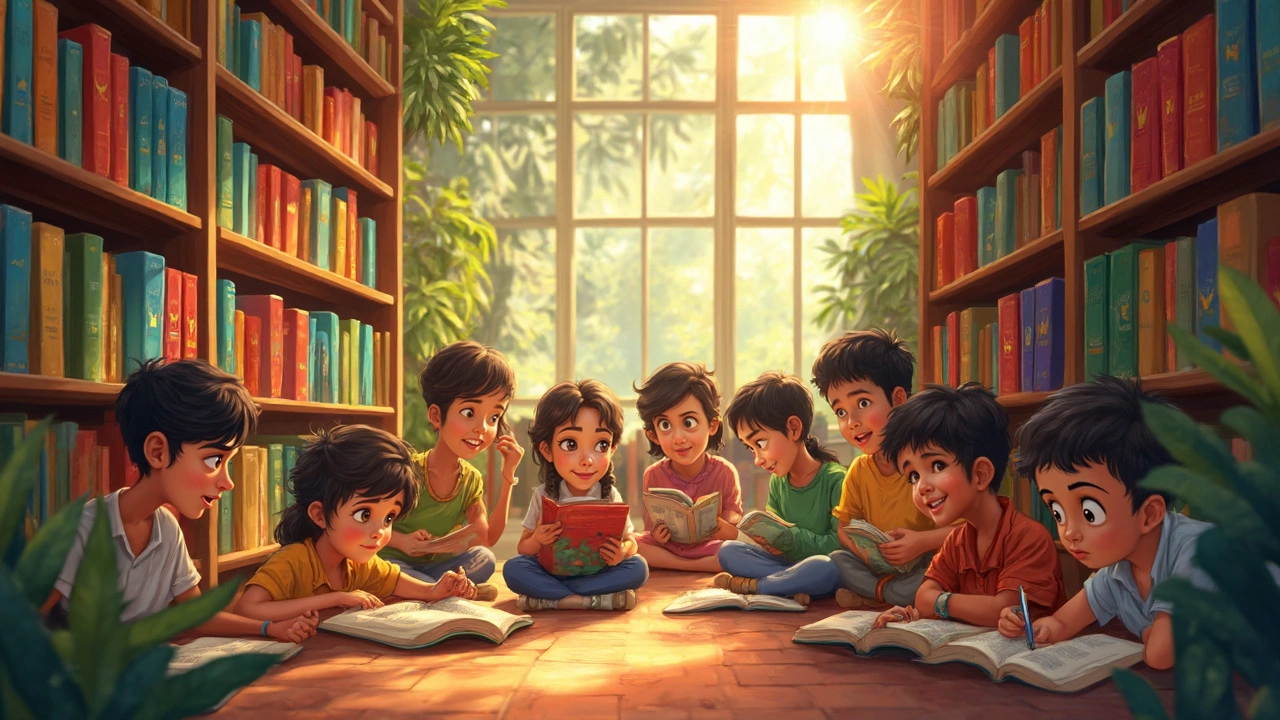
What Does MG Stand For in Books? Quick Guide for YA Fans
Curious about what MG stands for when browsing books? This article breaks down the meaning of MG, how it's different from other book categories, and why it matters whether you're a reader or a writer. Get practical tips on choosing the right MG books and insight into what makes these stories tick. It's everything you need to know about the world of MG in one handy spot.