Cultural Text Decoder Tool
Use this tool to practice reading between the lines. Enter a piece of media (movie, meme, ad, or book) to decode its hidden cultural meanings.
Think about the last time you watched a blockbuster movie, scrolled through a viral TikTok trend, or read a best-selling novel. You didn't just consume entertainment; you consumed a cultural text that carries layers of meaning, values, and social commentary. But what exactly makes something a "text" in this context? It’s not just words on a page. In the world of cultural studies, a cultural text is any artifact-visual, auditory, or written-that communicates meaning within a specific society. Understanding these texts helps us decode how our culture shapes us, and how we shape it back.
Defining the Concept: More Than Just Books
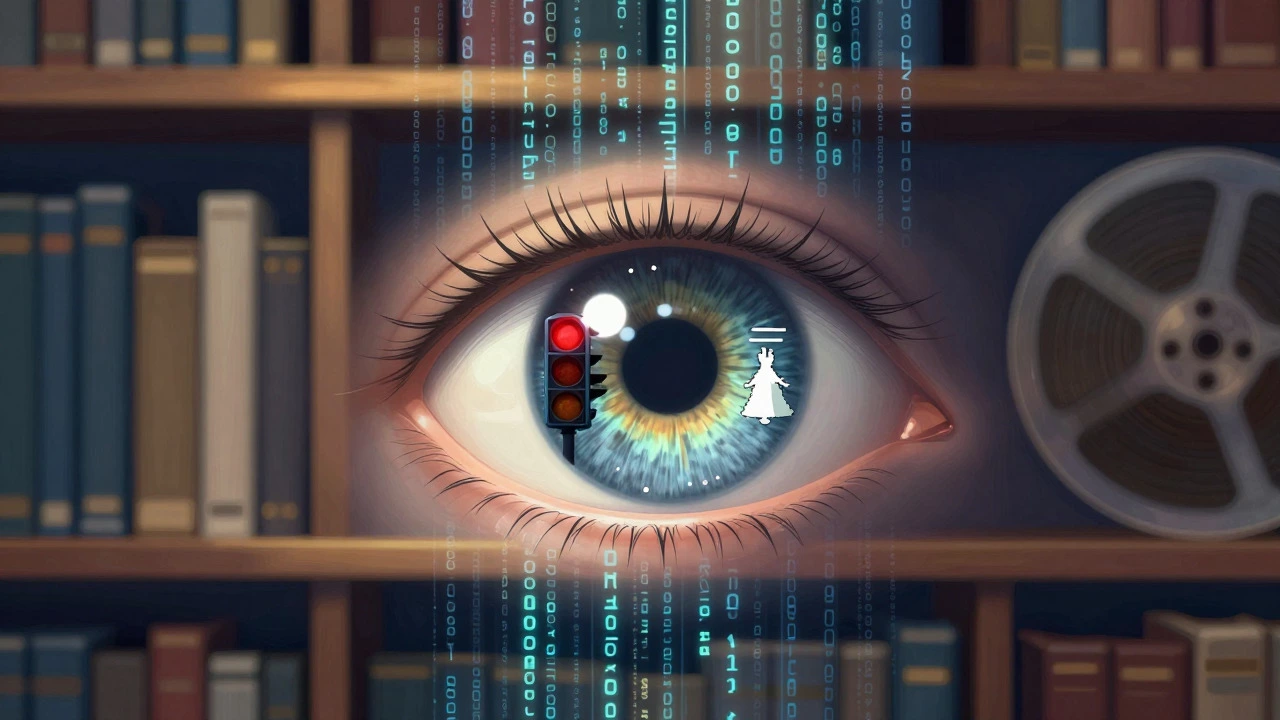
To understand what a cultural text is, we first have to throw out the idea that "text" only refers to printed material. This definition comes from semiotics, which is the study of signs and symbols and their use or interpretation. In semiotics, everything can be read like a book if you know the language of the culture. A red traffic light is a text. A wedding dress is a text. A meme is a text.
A cultural text functions as a vessel for cultural narratives, which are shared stories or frameworks that explain how society works. These narratives tell us who belongs, what is valued, and what is feared. When you analyze a cultural text, you aren't just looking at the surface level (the plot of the movie or the lyrics of the song). You are digging into the underlying codes: gender roles, political ideologies, economic systems, and historical contexts.
For example, when you see a superhero movie where the hero saves the city but ignores the systemic poverty causing the crime, you are reading a text that reinforces a specific narrative about individualism versus structural change. The text doesn't say this explicitly; it shows it through action, dialogue, and framing. Your job as an interpreter is to pull those threads apart.
Literary Works: The Classic Example
The most obvious example of a cultural text is literature. Novels, poems, and plays are designed to communicate complex ideas. However, they are rarely neutral. They reflect the anxieties and aspirations of the time they were written.
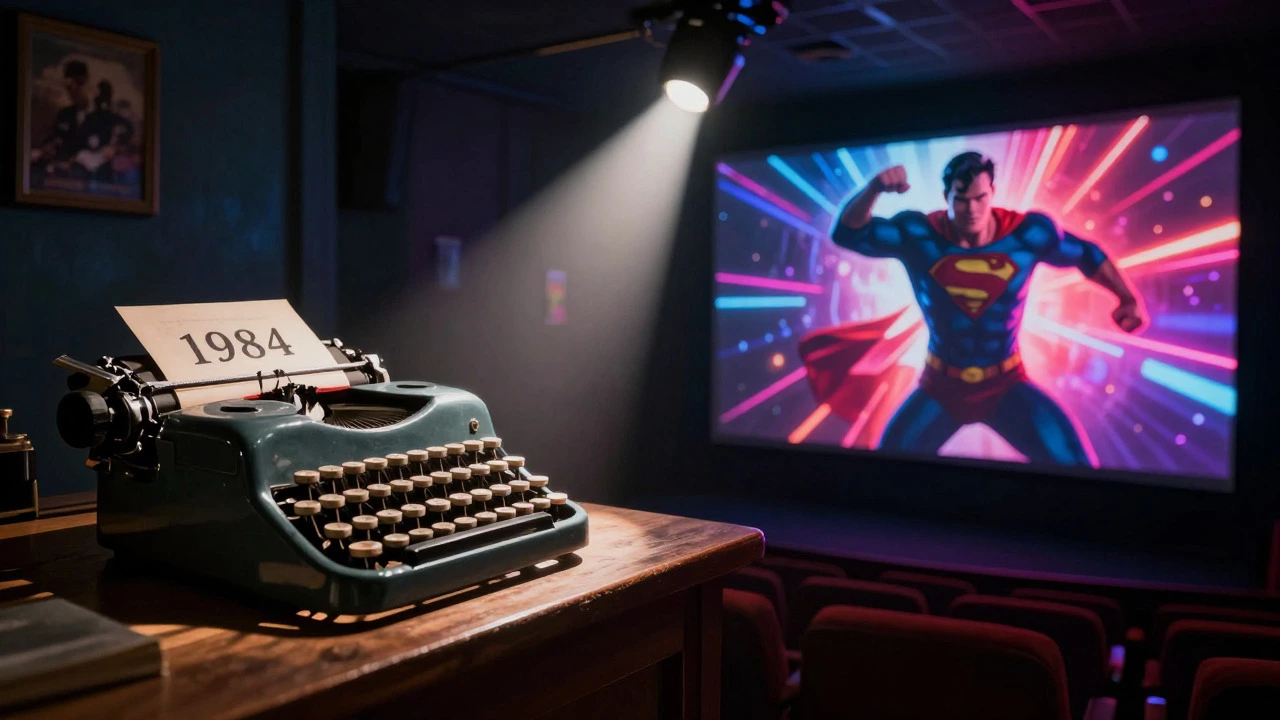
Consider George Orwell's 1984. On the surface, it’s a dystopian thriller. As a cultural text, however, it serves as a warning against totalitarianism and the manipulation of truth. Written during the rise of fascism in Europe, the text encoded fears about surveillance and state power. Today, when people quote 1984 during election seasons, they are re-reading the text through a modern lens. The text remains the same, but its cultural meaning shifts based on current events. This fluidity is key to understanding cultural texts-they are living things that evolve with their audience.
Another powerful example is Toni Morrison’s Beloved. This novel isn’t just a story about slavery; it is a text that confronts the collective trauma of African American history. It challenges the dominant historical narrative by centering the emotional and psychological reality of enslaved people. By reading Beloved, audiences engage with a counter-narrative that corrects omissions in traditional history books.
Film and Television: Visual Storytelling
If literature is the grandfather of cultural texts, film and television are its loud, colorful grandchildren. Visual media is incredibly potent because it combines image, sound, and narrative simultaneously. Every choice a director makes-from camera angles to color grading-is part of the text.
Take the Marvel Cinematic Universe (MCU) as an example. To many, it’s just fun popcorn entertainment. But as a cultural text, the MCU promotes a specific worldview: one where diverse teams solve global problems through technology and cooperation, often backed by corporate or government structures. Characters like Black Panther introduce new cultural narratives about African futurism and isolationism vs. global responsibility. When audiences debate whether a character’s actions are "heroic" or "problematic," they are engaging in textual analysis, debating the values embedded in the film.
Television shows like Squid Game also serve as massive cultural texts. While set in South Korea, the show resonated globally because it tapped into universal anxieties about debt, inequality, and capitalism. The red light, green light game wasn't just a plot device; it was a metaphor for the arbitrary nature of survival in a hyper-competitive economy. Viewers around the world read this text and saw their own struggles reflected in it, proving that cultural texts can transcend borders while retaining local specificity.
| Text Type | Primary Medium | Key Analytical Focus | Example |
|---|---|---|---|
| Literature | Written Word | Language, metaphor, historical context | 1984 by George Orwell |
| Film/TV | Visual/Audio | Cinematography, editing, representation | Squid Game |
| Digital Media | Interactive/Social | Virality, algorithmic bias, user participation | Viral Memes |
| Advertising | Commercial Visuals | Consumerism, aspiration, identity construction | Nike "Just Do It" Campaign |
Digital Media and Memes: The Modern Text
In 2026, some of the most influential cultural texts aren't found in libraries or cinemas. They are found on social media platforms like Instagram, X (formerly Twitter), and TikTok. Memes, viral videos, and influencer posts are legitimate cultural texts that deserve serious analysis.
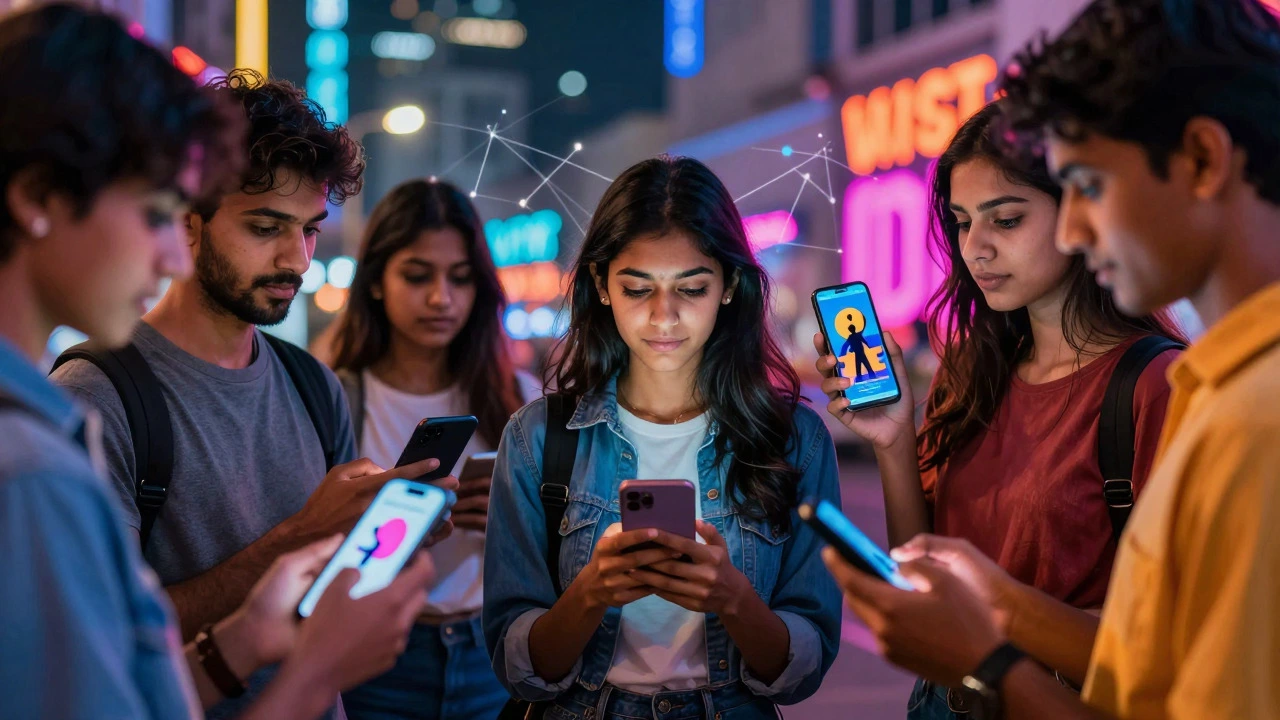
A meme might look silly-a picture of a cat with funny text-but it often encapsulates a shared feeling or critique of society. For instance, memes about "burnout" or "quiet quitting" became widespread cultural texts during the post-pandemic era. They communicated a collective shift in attitudes toward work-life balance without needing a formal manifesto. These texts are participatory; users remix and reinterpret them, adding new layers of meaning. This democratization of text creation means that cultural narratives are no longer controlled solely by elites or publishers. Anyone with a smartphone can create a text that influences millions.
However, digital texts also carry risks. Algorithms curate what we see, creating echo chambers where certain narratives are amplified while others are silenced. When analyzing a viral tweet, you must consider not just the content, but the platform’s role in spreading it. Who benefits from this narrative? Who is excluded? These questions turn a simple scroll into a critical examination of power dynamics.
Advertising and Consumer Culture
We often think of ads as interruptions, but they are perhaps the most pervasive cultural texts in our daily lives. Advertising doesn't just sell products; it sells identities. A perfume ad isn't selling scent; it's selling allure, confidence, and status. A car commercial isn't selling transportation; it's selling freedom and adventure.
Consider the long-running Nike campaigns featuring athletes like Colin Kaepernick or Serena Williams. These ads function as cultural texts that align the brand with social justice and female empowerment. They invite consumers to buy into a specific set of values. If you wear the shirt, you signal your alignment with those narratives. This intersection of commerce and culture is crucial to understand. Brands act as curators of cultural trends, deciding which narratives get mainstream visibility.
By decoding advertising, we become more conscious consumers. We start to ask: Why does this ad make me feel inadequate? What stereotype is it reinforcing? Is it challenging norms or playing it safe? These questions reveal the hidden agenda behind the glossy imagery.
Why Analyzing Cultural Texts Matters
You might wonder why you should care about analyzing memes, movies, or novels as "texts." Isn't it enough to just enjoy them? The problem with passive consumption is that we absorb the messages without questioning them. Cultural texts shape our beliefs about race, gender, class, and politics. If we don't actively interpret them, we risk accepting biased or harmful narratives as "common sense."
Analyzing cultural texts builds critical literacy. It allows you to spot propaganda, recognize subtle prejudice, and appreciate nuanced storytelling. It also empowers you to create better texts yourself. Whether you're writing a blog post, directing a video, or designing a product, understanding how audiences interpret symbols and stories will make your communication more effective.
In a world saturated with information, the ability to read between the lines is a superpower. It turns noise into signal. It transforms confusion into clarity. And it helps us navigate the complex web of meanings that define our human experience.
How to Start Reading Cultural Texts
If you want to practice reading cultural texts, start small. Pick one piece of media you consumed recently. Ask yourself these questions:
- Who created this, and what is their background?
- Who is the intended audience?
- What values or beliefs are being promoted?
- What is left out or ignored?
- How does this connect to larger societal issues?
Don't worry about getting the "right" answer. Cultural interpretation is subjective. The goal is to expand your perspective and deepen your engagement with the world around you. Over time, you'll notice patterns. You'll see how similar narratives appear across different mediums. You'll develop a sharper eye for the stories that shape our reality.
Is a photograph considered a cultural text?
Yes, absolutely. Photographs are powerful cultural texts because they capture a moment in time while embedding the photographer's perspective. Choices like framing, lighting, and subject selection convey meaning. For example, Dorothea Lange's "Migrant Mother" became a cultural text representing the suffering of the Great Depression, shaping public policy and empathy.
Can a fashion trend be a cultural text?
Yes. Fashion communicates identity, status, and rebellion. The rise of streetwear, for instance, reflects a blurring of lines between high fashion and subculture. Analyzing why certain styles become popular reveals underlying shifts in social values, such as the desire for comfort, authenticity, or resistance against traditional norms.
What is the difference between a literary text and a cultural text?
A literary text is a subset of cultural texts. All literary texts are cultural texts, but not all cultural texts are literary. Literary texts focus on written language and artistic expression, while cultural texts include any artifact that conveys meaning, including films, advertisements, memes, and rituals.
How do cultural texts change over time?
Cultural texts remain static in form but dynamic in meaning. As societal values shift, audiences reinterpret older texts. Shakespeare's plays, for example, are read differently today than in the 17th century. Modern productions may highlight themes of gender or power that were less prominent in earlier interpretations.
Why is semiotics important for understanding cultural texts?
Semiotics provides the tools to decode signs and symbols. It helps us understand how meaning is constructed through language, images, and gestures. Without semiotic analysis, we might miss the deeper implications of a cultural text, taking surface-level messages at face value.