Cultural Exploitation vs. Appreciation Checker
Select a scenario below to analyze whether it represents cultural exploitation or ethical appreciation.
The Line Between Appreciation and Exploitation
Have you ever watched a movie where the costumes looked stunning, the music was rhythmic and exotic, but the story felt... off? You might have been witnessing social cultural exploitation, which is the practice of taking elements from a marginalized culture for profit or entertainment without giving credit, consent, or fair compensation to the source community. It’s not just about wearing something pretty. It’s about power dynamics. When one group holds the microphone and another group provides the melody, who gets paid? Who gets heard?
This isn’t a new problem. For decades, creative industries-from Hollywood to fashion runways-have mined minority cultures for "fresh" content while leaving the originators behind. Today, with social media amplifying every trend, the stakes are higher than ever. We need to understand exactly what this looks like so we can spot it when it happens.
A Clear Example: The Fashion Industry’s Indigenous Patterns
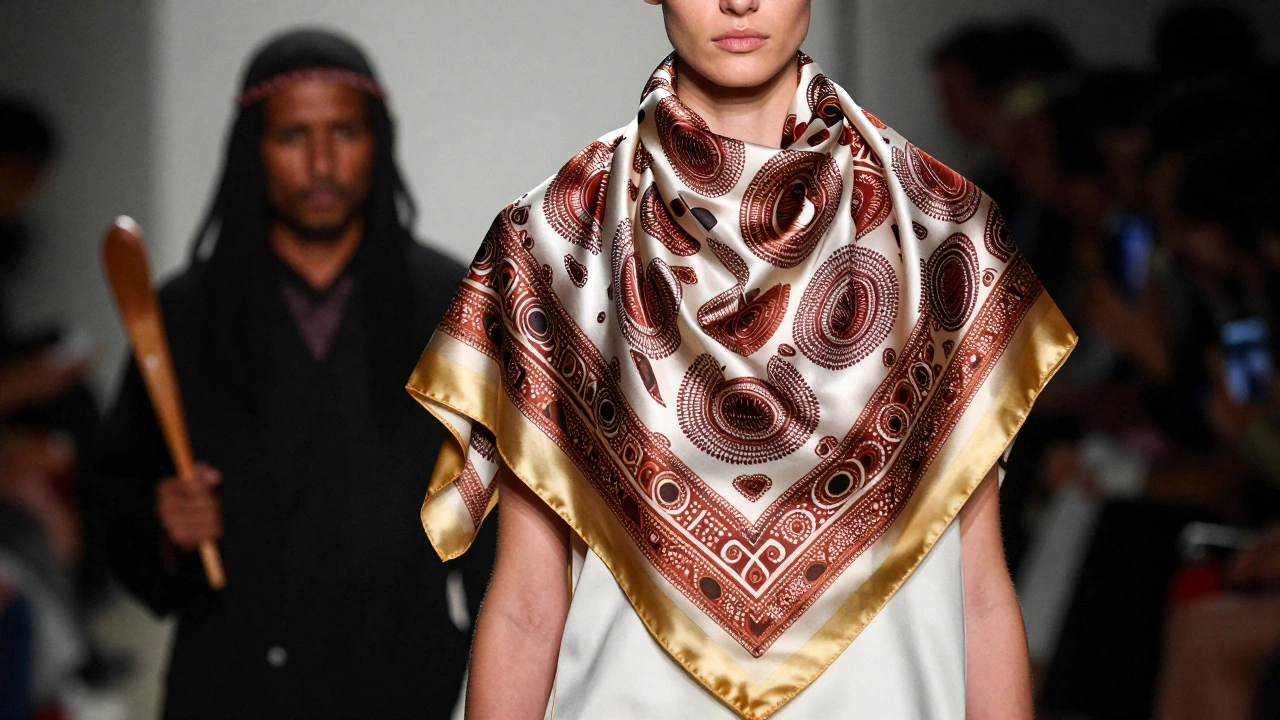
Let’s look at a concrete example that happened right under our noses in the global fashion world. In recent years, several high-end European fashion houses have released collections featuring intricate patterns directly copied from Indigenous Australian art and textile designs. These patterns aren’t random decorations; they carry specific stories, clan identities, and spiritual meanings for the Aboriginal communities who created them over thousands of years.
When a luxury brand prints these sacred symbols on a $2,000 silk scarf, they are engaging in social cultural exploitation. They didn’t ask permission. They didn’t share royalties. They often don’t even mention the source. To the consumer, it’s just "boho chic." To the community, it’s theft of identity. This creates a situation where the people who hold the cultural knowledge see no benefit, while corporations reap millions. It turns living heritage into disposable merchandise.
Hollywood’s "Noble Savage" Trope
Another classic example lives in film. Think about how many movies portray Native American characters solely as mystical guides, silent warriors, or tragic figures doomed by progress. This is known as the "Noble Savage" trope. It reduces complex, modern societies into flat stereotypes that serve the emotional journey of the white protagonist.
Why is this exploitation? Because it controls the narrative. It tells the audience what a culture *is* based on outdated myths rather than current reality. Furthermore, these roles rarely go to actors from those communities. Instead, non-Indigenous actors wear prosthetics or costumes to play parts written by outsiders. The box office revenue flows to studios, not to the communities whose image is being sold. This denies Indigenous people the chance to tell their own stories in their own voices.
The Music Industry and Rhythmic Theft
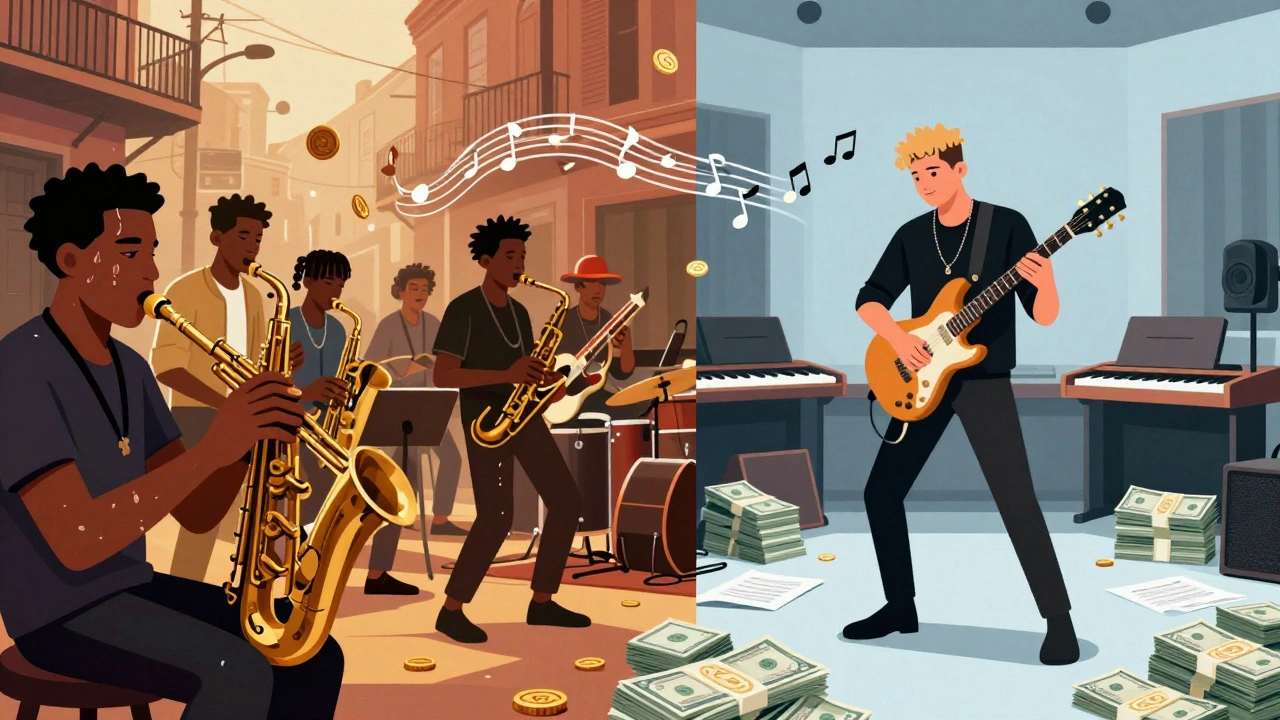
Music offers perhaps the most audible examples of cultural exploitation. Consider the rise of Reggae and Jazz. Both genres were born from the struggles and creativity of Black communities in Jamaica and the United States, respectively. Yet, for much of the 20th century, white artists covered these songs, claimed them as original works, or profited massively from the styles while the original creators remained in poverty.
This isn’t just about plagiarism; it’s about systemic erasure. When a major label signs a pop star to sing a song in a "world music" style but refuses to collaborate with traditional musicians from that region, they are exploiting the aesthetic without respecting the labor. The rhythm becomes a commodity, stripped of its context and history. Listeners enjoy the sound, but the economic engine of that culture remains disconnected from the profits generated abroad.
Festivals and Sacred Rituals as Entertainment
Social cultural exploitation also happens at festivals. Imagine a tourist destination where local rituals are performed daily for paying visitors. The ceremony might involve prayer, dance, and offerings that are deeply sacred to the community. However, the timing, duration, and performance are altered to fit the tourists’ schedule and expectations.
In Bali, for instance, some temples have faced pressure to commercialize ceremonies. While tourism brings income, it can also dilute the spiritual significance of events. If a ritual becomes a show, it loses its authenticity. The community members become performers rather than practitioners. This dynamic forces them to choose between preserving their faith and earning a living, often leading to a loss of cultural integrity. The visitor gets a photo op; the host loses a piece of their soul.
How to Spot Cultural Exploitation
You don’t need a degree in anthropology to recognize exploitation. Ask yourself three simple questions:
- Who benefits financially? If the creator of the culture sees none of the money, it’s likely exploitation.
- Was there consent? Did the community agree to have their symbols, stories, or practices used in this way?
- Is the representation accurate? Or does it rely on stereotypes, caricatures, and outdated myths?
If the answer to any of these is "no," you’re probably looking at exploitation. It’s easy to fall for the charm of "cultural appreciation," but true appreciation involves respect, collaboration, and fairness. It means hiring consultants from the culture, sharing credits, and ensuring the community has control over how their heritage is presented.
The Power of Ethical Storytelling
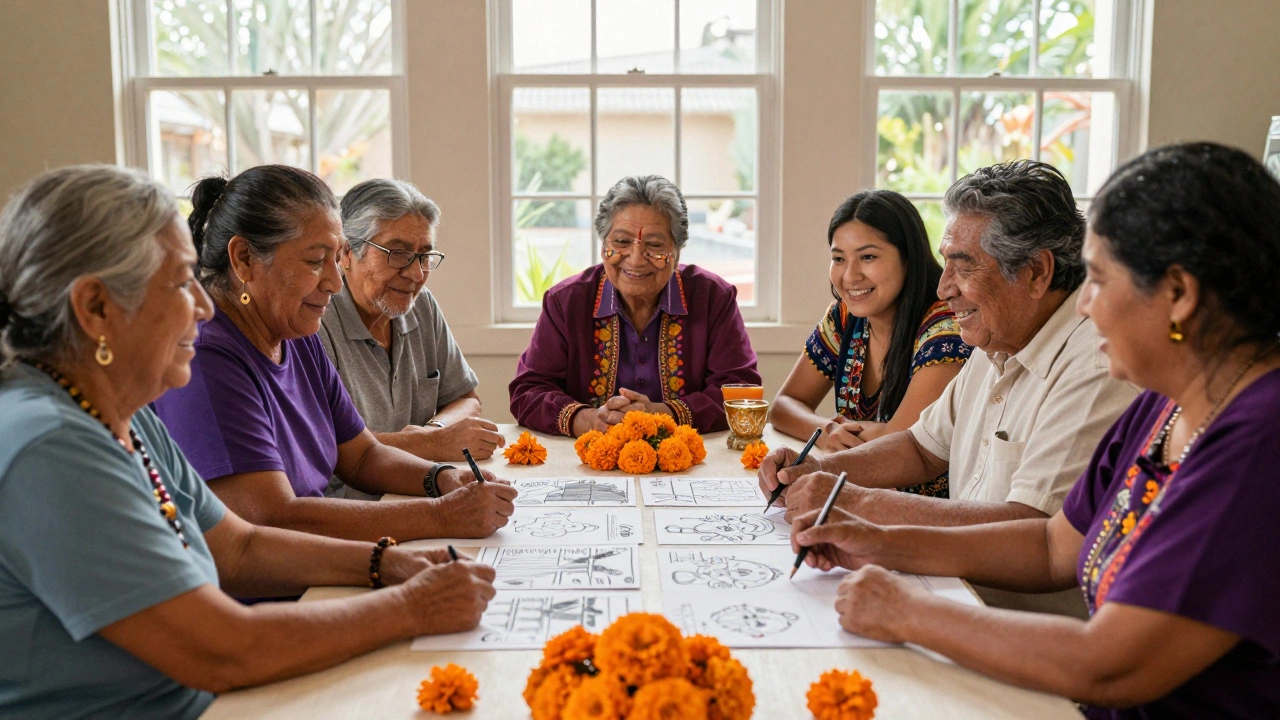
There is a better way. We are seeing a shift toward ethical storytelling, where creators prioritize partnership over extraction. Films like Coco worked closely with Mexican families to ensure respectful portrayal of Day of the Dead traditions. Fashion brands are now collaborating directly with Indigenous artisans, offering fair wages and co-designing products.
This approach doesn’t just help the marginalized communities; it makes for better art. When you include the authentic voices of a culture, you get depth, nuance, and truth. Sterotypes are boring because they’re false. Real stories are compelling because they’re human. By moving away from exploitation, we enrich our collective understanding and create a more equitable creative economy.
Why This Matters Now
In 2026, audiences are more aware than ever. Social media allows communities to call out exploitation instantly. Brands that ignore this risk boycotts, bad PR, and legal challenges. More importantly, consumers are demanding authenticity. We want to support creators who treat others with dignity. Understanding social cultural exploitation helps us make better choices as viewers, shoppers, and citizens.
It’s not about policing every interaction between cultures. It’s about recognizing power imbalances and working to level the playing field. When we celebrate diversity, let’s do it with respect, not robbery.
What is the difference between cultural appreciation and cultural exploitation?
Cultural appreciation involves learning about, respecting, and honoring another culture with permission and reciprocity. It often includes collaboration and credit. Cultural exploitation takes elements from a culture for personal gain without consent, credit, or fair compensation, often reinforcing stereotypes or harming the source community.
Can you give an example of cultural exploitation in literature?
An example would be a novel written by an outsider that uses stereotypical tropes about a minority group (such as the "magical negro" or "exotic other") to drive the plot, without consulting members of that community. If the book profits significantly while perpetuating harmful misconceptions and excluding authentic voices, it constitutes exploitation.
How does social media contribute to cultural exploitation?
Social media accelerates trends, allowing users to adopt cultural aesthetics (like hairstyles, clothing, or dances) as viral fads without understanding their historical context or significance. Influencers may gain fame and sponsorship deals using these trends, while the originating communities receive no recognition or financial benefit.
Is all borrowing from other cultures considered exploitation?
No. Cultural exchange has always been part of human history. Borrowing becomes exploitation when it involves power imbalances, lack of consent, misrepresentation, or unfair economic gain. Respectful exchange involves mutual understanding, credit, and often collaboration or compensation.
What can consumers do to avoid supporting cultural exploitation?
Consumers can research the origins of products and media they buy. Support brands and creators who partner directly with marginalized communities. Look for transparency in sourcing and storytelling. Use your voice to question representations that seem stereotypical or disrespectful, and demand accountability from companies.