Unreliable Narrator: Why Some Stories Can't Be Trusted
When a story feels off—even if you can’t quite put your finger on why—it might be because the person telling it is an unreliable narrator, a storyteller who distorts, hides, or misrepresents the truth, often intentionally. Also known as unreliable narration, this technique turns the reader into a detective, forcing you to read between the lines and question every word. It’s not about bad writing. It’s about smart writing that plays with perception.
Think of it like a friend telling you their side of a fight. They leave out key details. They twist facts to make themselves look better. That’s an unreliable narrator. In books, this can be someone lying to protect themselves, mentally unstable, too young to understand what happened, or even secretly the villain. The most powerful stories don’t just tell you what happened—they make you realize you’ve been misled the whole time. This trick shows up in everything from classic novels like The Catcher in the Rye to modern hits like Gone Girl. It’s not just a literary device—it’s a way to make readers feel the weight of deception, confusion, and hidden truth.
Writers use unreliable narrators to explore memory, trauma, bias, and identity. When the narrator doesn’t see the whole picture—or refuses to—you start noticing what’s missing. That’s where the real story lives. You begin to question: Who’s really in control here? What are they hiding? And why does it matter? This isn’t just about plot twists. It’s about how we all filter reality through our own fears, desires, and wounds.
What you’ll find below are posts that touch on this idea—not always directly, but in ways that matter. Whether it’s a romance novel where the hero’s version of events doesn’t add up, a historical fiction piece where the narrator’s bias colors the past, or a thriller where the protagonist’s mind is the real mystery, these stories all play with truth. You’ll see how unreliable narration shows up in unexpected places: in the way characters remember their childhood, in how villains justify their actions, or even in how readers assume a narrator is trustworthy when they’re not. This isn’t just about books. It’s about how we understand people, stories, and ourselves.
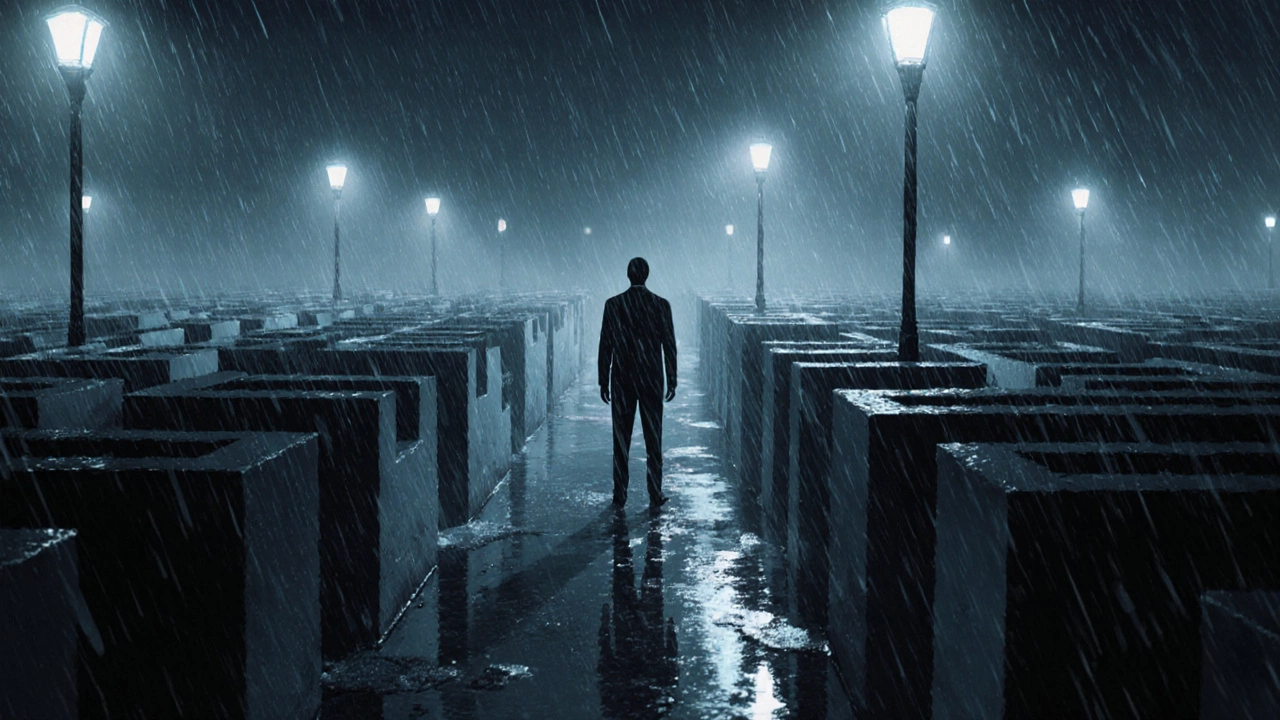
What Is a Dark Psychological Thriller? Definition, Themes, and Top Picks
Explore the dark psychological thriller genre: definition, key elements, themes, top books, movies, and how to spot and enjoy these mind‑bending stories.