Historical Fiction: Real Events, Imagined Lives
When you read a historical fiction, a genre that weaves real historical events with fictional characters and narratives. Also known as period fiction, it’s not just about costumes and castles—it’s about asking what people truly felt when the world was changing around them. This genre doesn’t just retell history. It lets you walk beside someone who lived through it—whether they were a soldier in Waterloo, a servant in Victorian London, or a woman hiding letters during the Partition of India.
What makes historical accuracy, the careful use of real dates, customs, language, and social norms from a specific time matter? Because one wrong detail—a phone in 1890, a word that didn’t exist yet, a food that hadn’t been imported—pulls you out of the story. Readers of historical fiction notice. They’ve read the diaries, watched the documentaries, and know when something feels off. That’s why the best books in this genre don’t just get the facts right—they get the feeling right. The smell of coal smoke in a 1920s factory. The fear in a mother’s voice when the draft notice arrives. The quiet rebellion of a woman learning to read in secret.
Then there’s the risk of anachronisms, mistakes where modern ideas, objects, or attitudes appear in the wrong time period. Think of a medieval knight using a phrase like "That’s not fair!"—it sounds wrong because the mindset behind it didn’t exist yet. Or worse, portraying past cultures through today’s moral lens, turning complex people into villains or saints. Good historical fiction avoids that. It doesn’t excuse the past, but it tries to understand it. And that’s why readers keep coming back—not for a history lesson, but for the human truth hidden between the lines.
Behind every great historical novel is a writer who spent months—or years—digging through archives, reading old newspapers, studying clothing patterns, even learning how to write with a quill. They don’t do it for fame. They do it because they believe the past still speaks. And if you’ve ever wondered how a woman in 17th-century Bengal survived, or what it felt like to flee a war with nothing but a child in your arms, then you’re already halfway into the world of historical fiction.
Below, you’ll find posts that break down what works—and what doesn’t—in this genre. From the biggest mistakes authors make to the books that got it absolutely right. No fluff. No theory. Just what real readers and writers know matters.
What Is the Point of Historical Fiction? Why We Read Stories Set in the Past
Historical fiction doesn't just retell the past-it makes us feel it. Learn why these stories matter more than ever, how they build empathy, challenge power, and help us understand ourselves today.
How Much of Historical Fiction Is True? Facts, Myths & How to Spot Accuracy
Explore how much truth lives in historical fiction, learn to spot factual accuracy, and get a checklist for evaluating novels that blend history with storytelling.
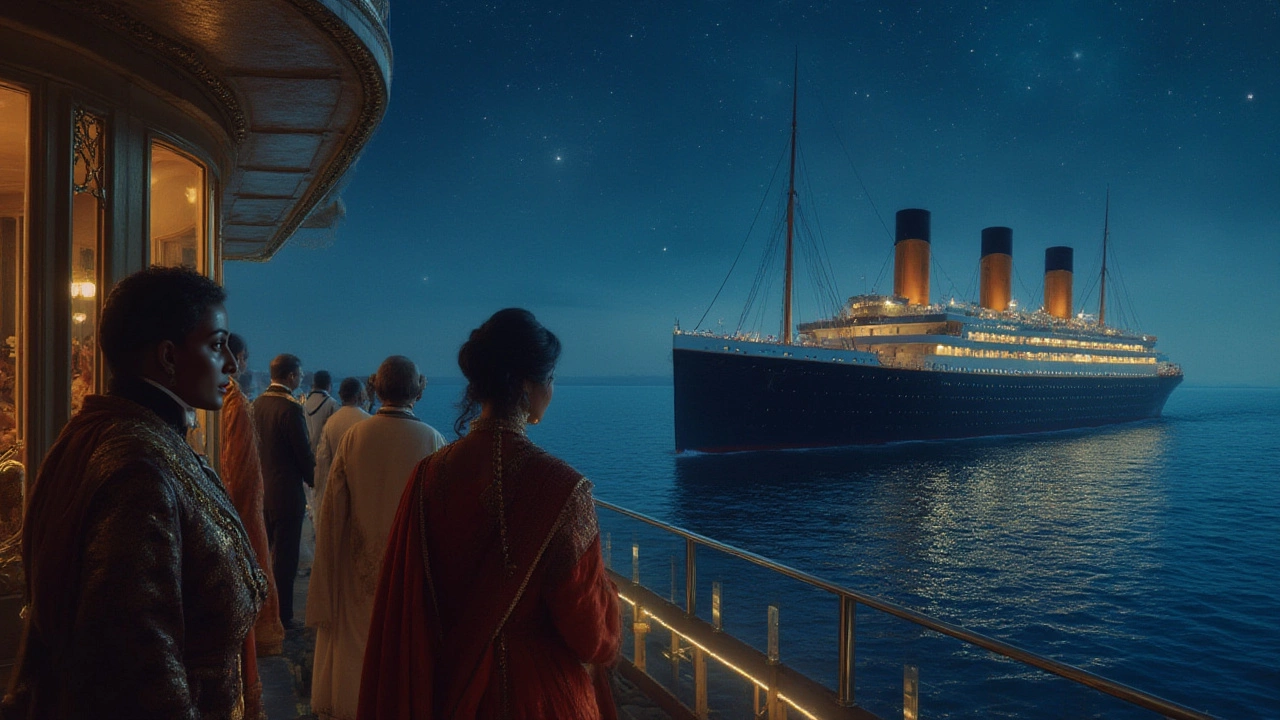
Is the Titanic a Historical Fiction or True Story? Facts vs. Myths Explained
Unravel the truth about the Titanic: Is it historical fiction or based on real events? Discover fascinating facts and myths about the Titanic's legacy.
Literary Nonfiction vs Historical Fiction: Key Differences Explained
Literary nonfiction and historical fiction sound similar, but they're worlds apart when you dive in. This article breaks down how each genre handles facts and storytelling. You’ll find out what makes each unique, where the lines blur, and how readers can spot the subtle differences. Expect some surprising examples and tips to help you tell them apart. It’s your go-to guide if you’re curious about how stories and history mix.
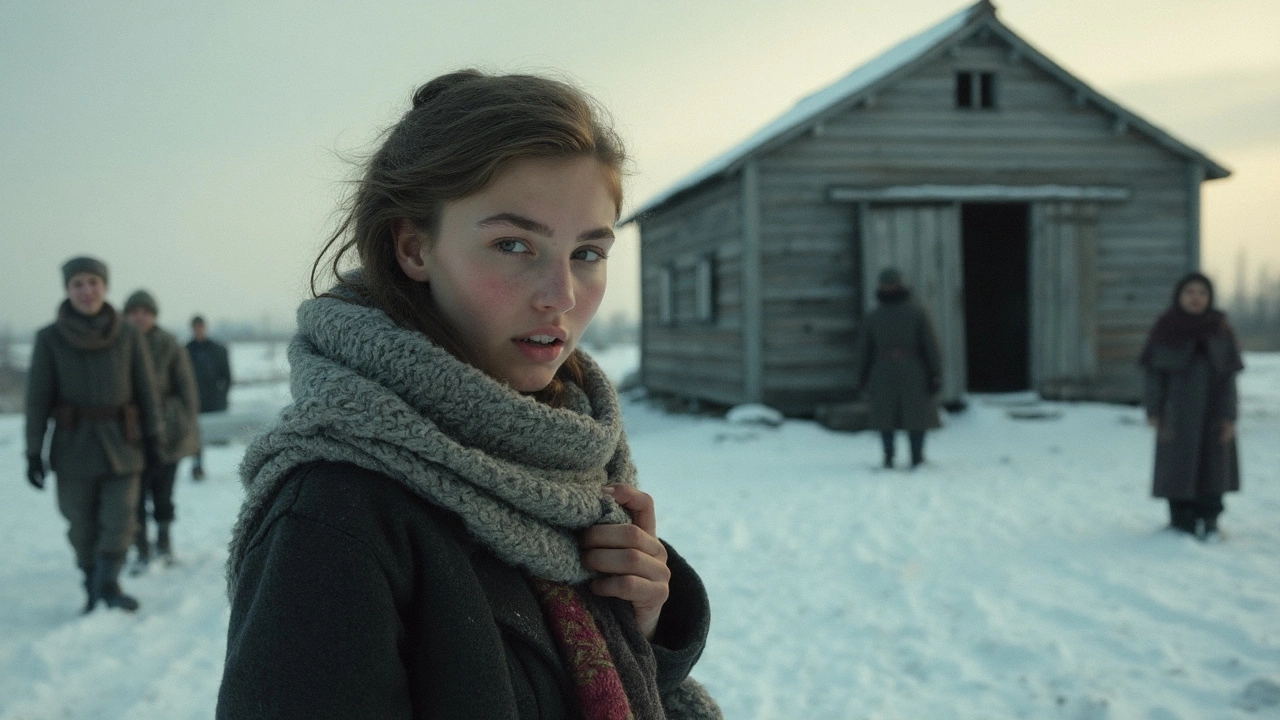
Book Between Shades of Gray: The Real Story Behind the Romance
Between Shades of Gray isn't your usual romance novel—it's built on raw, true events from history, following a teenage girl's fight to survive love and loss under Stalin's regime. This article breaks down what the book is based on and how real-life stories inspired the heart-wrenching storyline. Get a look at the real people and places behind the pages, why the setting matters, and how the romance threads through tough times. You'll also find a bunch of interesting facts that'll change the way you see this popular book.
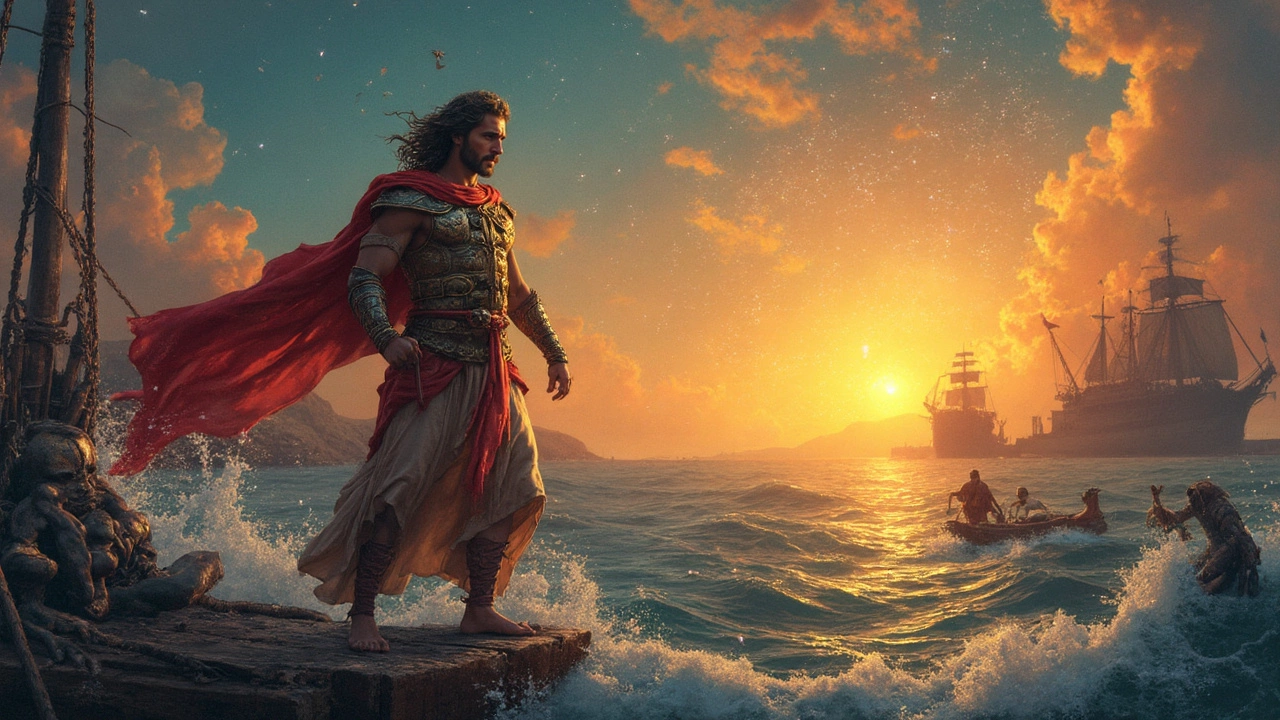
Is The Odyssey Historical Fiction? Unraveling the Myth and History
The Odyssey, a timeless classic attributed to Homer, straddles the line between myth and reality. This exploration dives into whether The Odyssey can be considered historical fiction, examining its mythical elements alongside historical context. By unpicking well-known tales within this epic, we'll shine a light on the mix of fact and fiction. Discover intriguing details about ancient Greece and its storytelling, delving into how The Odyssey has been interpreted through the ages.

Is 'Of Mice and Men' Historical Fiction?
Explore the debate over whether John Steinbeck's classic novel 'Of Mice and Men' fits within the historical fiction genre. Examine the story's setting and themes, and learn about the real-life influences that shaped Steinbeck's writing. This article offers insights into the novel's historical accuracy and its place in literary history, providing readers with food for thought regarding its classification.
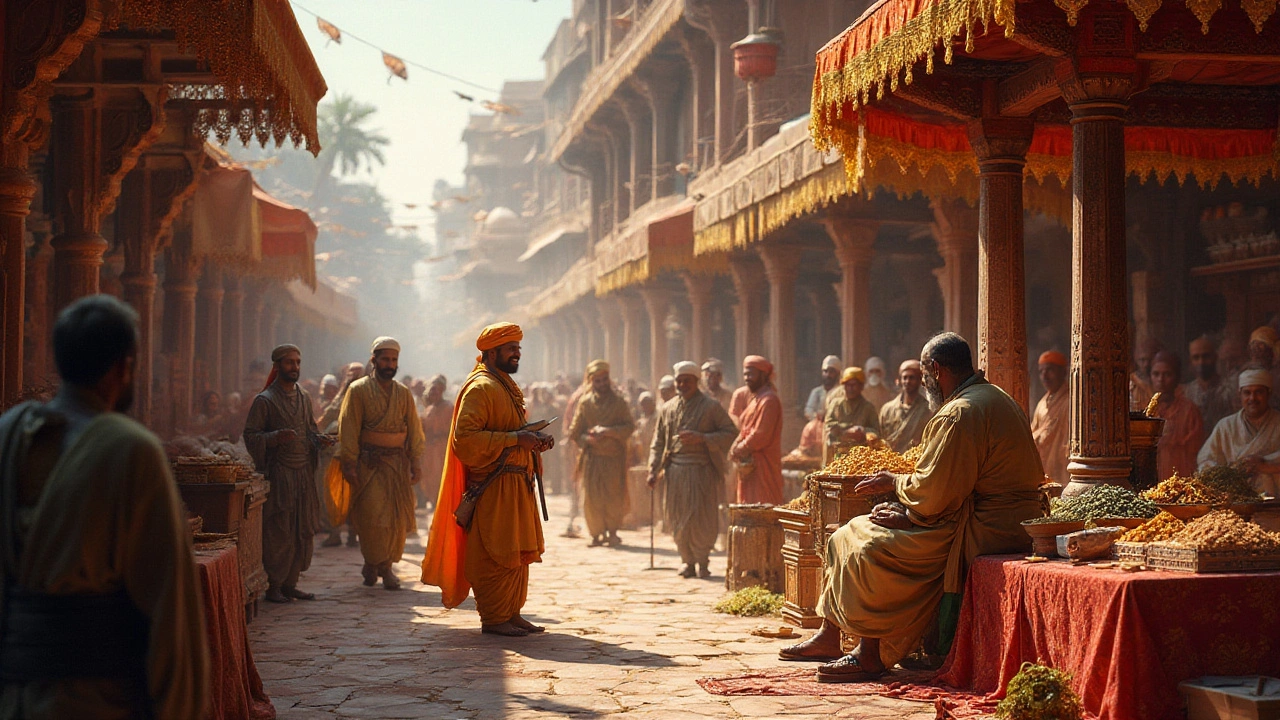
Historical Fiction vs. Fantasy: Understanding the Key Differences
Though often overlapping, historical fiction and historical fantasy offer readers distinct experiences. Historical fiction immerses the audience in a carefully researched setting and integrates fictional narratives with real historical events. Conversely, historical fantasy combines historical settings with fantastical elements, introducing magic or mythical beings. A deep understanding of both genres allows readers to appreciate the creative nuances and narrative techniques within each.