
Juvenile vs. Young Adult Fiction Analyzer
Enter a story concept to determine whether it fits the Juvenile (Middle Grade) or Young Adult category based on themes, protagonist focus, and content maturity.
Analysis Result
Story:
Recommended Category:
Reasoning:
Key Differences Reference
| Feature | Juvenile Fiction (MG) | Young Adult Fiction (YA) |
|---|---|---|
| Target Age | 8–12 years old | 12–18 years old |
| Protagonist Focus | External world, action, plot | Internal world, identity, emotion |
| Romance Level | Crushes, hand-holding, no sex | Dating, kissing, sexual activity possible |
| Violence & Language | Mild, implied, clean language | Graphic, realistic, strong language allowed |
| Ending Tone | Hopeful, resolved, optimistic | Ambiguous, bittersweet, or tragic |
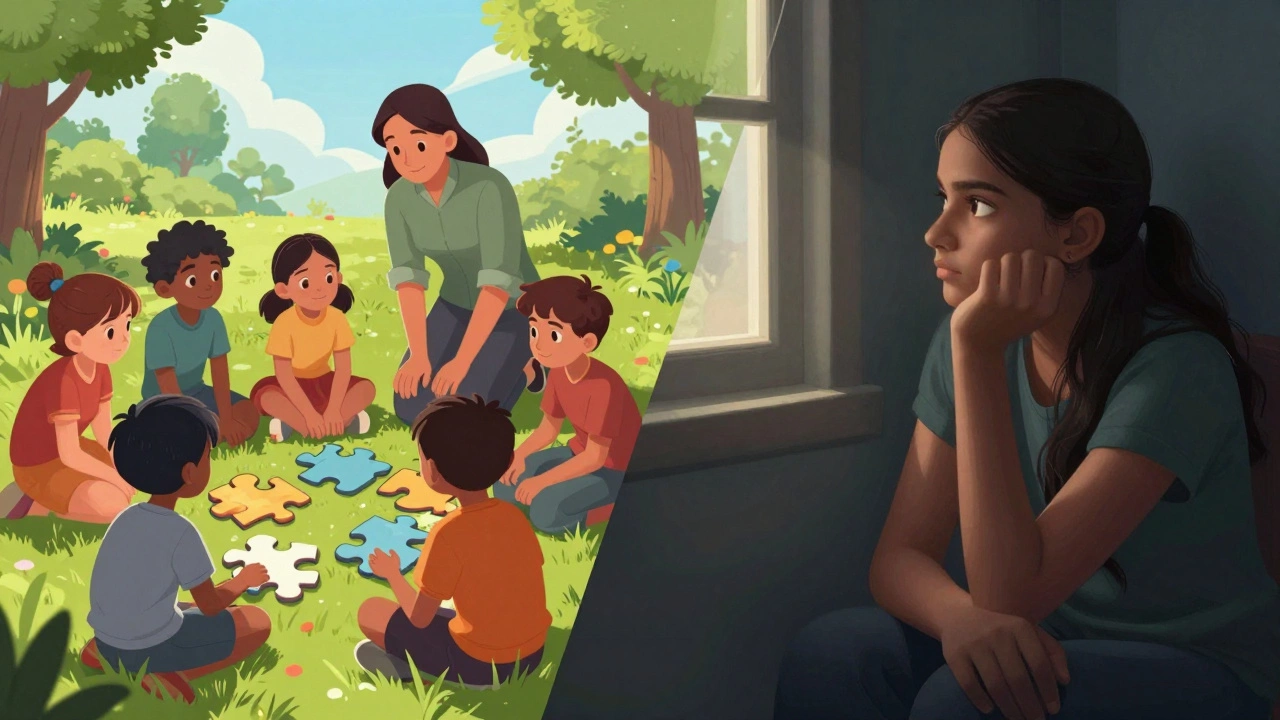
Walk into any bookstore today and you will see a clear divide on the shelves. On one side, you have bright covers with cartoonish illustrations aimed at kids. On the other, sleek, moody designs featuring attractive teenagers in dramatic poses. This visual split represents two distinct worlds of literature: Juvenile Fiction, often called Middle Grade (MG), which targets readers aged 8 to 12, and Middle Grade Literature. Next to it sits Young Adult Fiction, commonly known as YA, for readers aged 12 to 18. While both categories feature young protagonists, the differences go far deeper than just the cover art. Understanding these distinctions helps parents, teachers, and readers choose stories that match their emotional maturity and interests.
The core difference lies in who is experiencing the story. In juvenile fiction, the protagonist looks outward. They navigate school, friendships, and family dynamics. The stakes are personal but contained within their immediate world. In young adult fiction, the protagonist looks inward. They question their identity, morality, and place in society. The stakes are often existential or global. Let's break down exactly how these genres differ in content, style, and theme.
Age Range and Developmental Stages
The most obvious distinction is the target age group, but this number reflects specific developmental milestones. Juvenile fiction serves children between 8 and 12 years old. At this stage, children are developing logical thinking and empathy but still rely heavily on concrete experiences. They understand right and wrong clearly. Their social circles are tight-knit, usually centered around school and neighborhood friends.
Young adult fiction targets teens from 12 to 18. This period coincides with adolescence, a time of intense physical and emotional change. Teens are forming their own identities separate from their parents. They begin to think abstractly about justice, love, and death. A book written for a 10-year-old focuses on solving a mystery or winning a game. A book for a 15-year-old might explore the pain of first heartbreak or the confusion of political awakening. The reader’s brain is literally rewiring itself during these teen years, making them receptive to more complex narratives.
Themes and Content Maturity
What can characters talk about? What can they do? These questions define the boundaries of each genre. Juvenile fiction keeps themes accessible and hopeful. Common topics include friendship conflicts, learning new skills, dealing with bullies, or family changes like divorce or moving. Even when dark elements appear, such as a parent’s illness or a natural disaster, the resolution is usually positive. The world remains safe and understandable. Violence, if present, is implied or off-screen. Sexual content is virtually non-existent.
Young adult fiction tackles heavier, more controversial subjects. Romance is central to many YA plots, ranging from innocent crushes to explicit sexual encounters. Themes of mental health, addiction, abuse, war, and systemic injustice are common. Characters may make terrible mistakes and suffer lasting consequences. The ending does not always have to be happy; it just has to be honest. For example, while a juvenile novel might end with a character forgiving a friend, a YA novel might end with the character realizing the friendship was toxic and walking away forever. This shift allows older readers to process real-world complexities.
| Feature | Juvenile Fiction (Middle Grade) | Young Adult Fiction (YA) |
|---|---|---|
| Target Age | 8-12 years old | 12-18 years old |
| Protagonist Focus | External world, action, plot | Internal world, identity, emotion |
| Romance Level | Crushes, hand-holding, no sex | Dating, kissing, sexual activity possible |
| Violence & Language | Mild, implied, clean language | Graphic, realistic, strong language allowed |
| Ending Tone | Hopeful, resolved, optimistic | Ambiguous, bittersweet, or tragic |
| Narrative Voice | Third-person limited or simple first-person | Deep first-person, close third-person |
Narrative Structure and Point of View
How a story is told matters just as much as what happens. Juvenile fiction often uses a third-person limited perspective. This creates a slight distance between the reader and the character, allowing for clearer exposition and humor. The plot moves quickly. Chapters are short to keep younger readers engaged. Sentences are direct and easy to parse. Dialogue drives the action forward. Think of series like *Harry Potter* (early books) or *Percy Jackson*. The magic system or adventure hook is explained clearly so the child reader never feels lost.
Young adult fiction frequently employs a first-person point of view. This places the reader directly inside the protagonist’s head. We hear their inner monologue, their insecurities, and their raw emotions. The prose can be more lyrical or fragmented to reflect teenage mood swings. Pacing varies more; scenes of introspection can last several pages. Authors like John Green or Sarah Dessen use voice to create intimacy. You don’t just watch the character fall in love; you feel their anxiety and excitement. This narrative closeness mirrors the intensity of adolescent experience.
Character Agency and Relationships
In juvenile fiction, adults play a significant role. Parents, teachers, and mentors guide the protagonist. While the child hero solves the main problem, they often seek advice or permission from trusted adults. The relationship between peers is based on shared activities and loyalty. Betrayal hurts, but reconciliation is likely. The social hierarchy is simple: popular kids versus outcasts.
In young adult fiction, adults are often absent, unreliable, or antagonistic. Teens must solve their own problems without help. This reflects the reality of growing independence. Peer relationships are more complex. Friendships are tested by secrets, jealousy, and changing values. Romantic partners become primary confidants. The social hierarchy includes cliques, social media status, and academic pressure. Characters in YA novels learn that people are not purely good or evil; they are complicated. This moral ambiguity prepares readers for adult relationships.
Why the Distinction Matters
You might wonder why we need two separate categories. Can’t everyone read everything? The answer is yes, but with caveats. Reading up-older kids reading juvenile fiction-is generally fine. Many adults enjoy Middle Grade books for their simplicity and charm. However, reading down-young children reading YA fiction-can be problematic. Exposing an 8-year-old to graphic violence or sexual content before they are emotionally ready can cause distress. It can also distort their understanding of healthy relationships.
Conversely, forcing a teenager to only read juvenile fiction can feel patronizing. Teens crave respect and recognition of their growing maturity. When they pick up a YA novel, they see their struggles validated. They realize they are not alone in feeling confused or angry. This validation supports mental health and literacy development. Librarians and educators use these categories to curate collections that support cognitive and emotional growth at every stage.
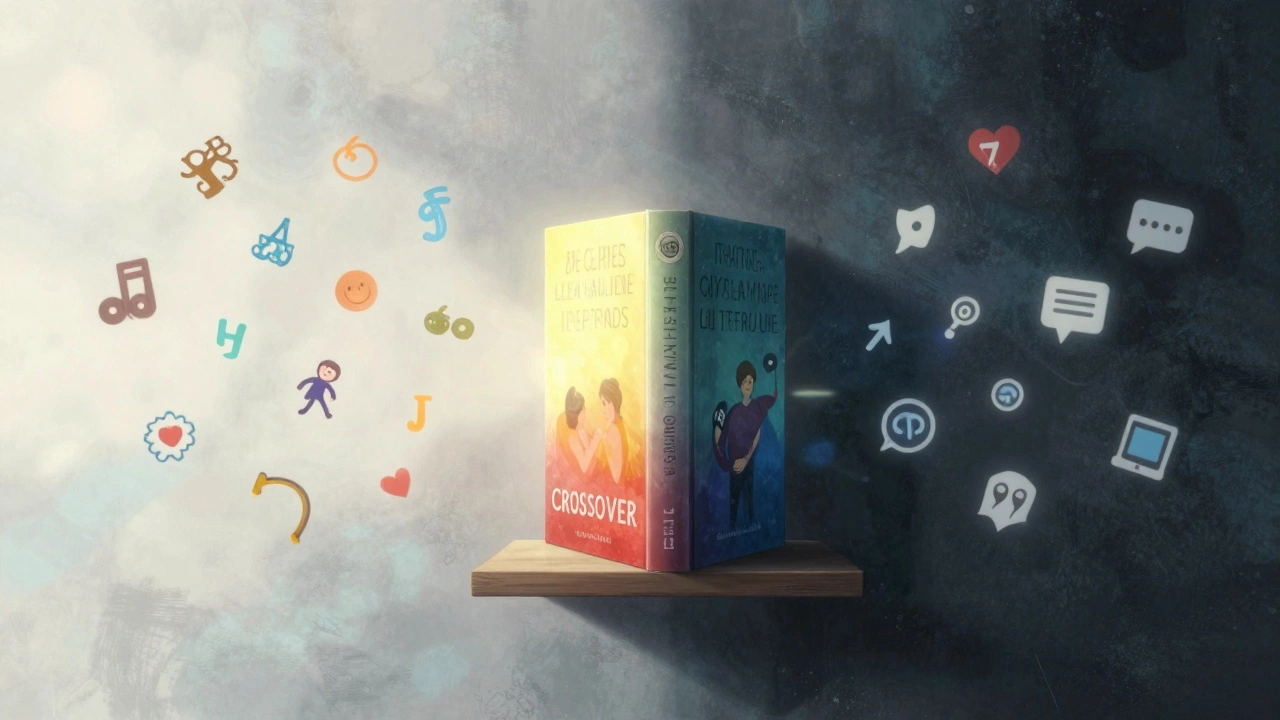
Blurring Lines and Crossover Appeal
The lines between these genres are not always rigid. Some books sit in the "crossover" zone. *The Hunger Games* by Suzanne Collins features a teenage protagonist and violent content, fitting YA criteria. Yet its fast-paced plot and clear moral choices appeal strongly to Middle Grade readers. Similarly, *Percy Jackson* starts as Middle Grade but grows darker and more complex as the series progresses, eventually bridging into YA territory. Publishers sometimes market the same book to both audiences depending on the cover design and marketing campaign.
As a reader, you should focus on content warnings rather than just the category label. Look for details about language, violence, and sexual content. Talk to your child about what they are reading. Ask them how the story made them feel. If a book causes anxiety or confusion, it might be too mature, regardless of its shelf placement. Ultimately, the goal is to foster a love of reading while ensuring the material is appropriate for the reader’s current life stage.
Is juvenile fiction the same as children's fiction?
Not exactly. Children's fiction is a broad umbrella term that includes picture books, early readers, and juvenile fiction (Middle Grade). Juvenile fiction specifically refers to chapter books aimed at ages 8-12. Picture books are for toddlers and preschoolers, while early readers are for ages 5-7. So, all juvenile fiction is children's fiction, but not all children's fiction is juvenile.
Can a 10-year-old read Young Adult books?
It depends on the individual child and the specific book. Some mature 10-year-olds can handle lighter YA titles with minimal romance or violence. However, many YA books contain themes like sexual assault, drug use, or intense psychological trauma that are inappropriate for pre-teens. It is best to check content guides or read reviews before letting a 10-year-old pick up a YA novel.
Why do Young Adult books have less descriptive prose?
YA books often prioritize voice and pacing over dense description. Teenagers are typically reading for entertainment and emotional connection. Long, flowery descriptions can slow down the narrative and disengage faster-paced readers. Instead, YA authors use sharp dialogue and internal monologue to convey setting and mood quickly, keeping the reader turning pages.
What is the difference between New Adult and Young Adult?
New Adult (NA) targets readers aged 18-30, focusing on college students or young adults entering the workforce. Unlike YA, which centers on high school experiences and finding identity, NA deals with post-secondary challenges like career stress, serious relationships, and financial independence. NA books often include more explicit sexual content and alcohol/drug use than YA.
Are there any rules about romance in Middle Grade books?
Yes, traditionally. Romance in Middle Grade is limited to crushes, holding hands, or maybe a chaste kiss on the cheek. Physical intimacy beyond that is considered inappropriate for the 8-12 age group. If a book features dating, kissing, or sexual tension, it is almost certainly classified as Young Adult. Publishers enforce these guidelines strictly to maintain age-appropriate categorization.