
Personal Development Plan Builder
Step 1: Define Your Target Role
Step 2: Skill Gap Analysis
Identify key skills required for your target role and rate your current proficiency. A score below 4 indicates a gap that needs addressing.
Step 3: Timeline & Review
Your Personalized PDP Blueprint
Based on your inputs, here is your strategic roadmap. Focus on closing the identified gaps using the suggested actions.
Plan Summary
Target Role
-
Timeline
-
Review Cycle
-
Detailed Gap Analysis & Action Plan
| Skill Area | Gap Status | Recommended Action Step |
|---|
Next Steps
- ✓ Share this plan with your manager or mentor during your next review.
- ✓ Set calendar reminders for your quarterly reviews.
- ✓ Start with the highest priority gap immediately to build momentum.
Most people know they want to get better at their jobs or improve their lives, but they have no idea where to start. They read a few self-help books, maybe attend a workshop, and then life gets in the way. The motivation fades, and six months later, nothing has changed. The missing piece isn't effort; it's structure. That is exactly what a personal development plan provides.
A personal development plan (PDP) is not just another to-do list. It is a strategic document that bridges the gap between where you are now and where you want to be. Think of it as a roadmap for your career and personal growth. Without it, you are driving without a GPS, hoping you end up in the right place. With it, you have clear milestones, specific actions, and a timeline to hold yourself accountable.
Why You Need a Personal Development Plan
You might think you can just "wing it" when it comes to your career. But in a rapidly changing job market, winging it rarely works. According to recent workforce studies, skills become obsolete faster than ever before. A PDP helps you stay relevant by identifying the skills you need before your employer does.
Here is why having a written plan changes everything:
- Clarity of Direction: Instead of vague wishes like "I want to be a leader," you define what leadership looks like for you and what steps lead there.
- Accountability: When goals are written down with deadlines, you are statistically more likely to achieve them. It moves goals from dreams to commitments.
- Resource Allocation: You stop wasting time on irrelevant courses or activities. You focus only on what moves the needle toward your specific objectives.
- Measurable Progress: You can track your improvement over time, which boosts confidence and provides concrete evidence for performance reviews.
Imagine trying to build a house without blueprints. You might buy materials, but the result will likely be unstable. Your career is the same. A PDP acts as those blueprints, ensuring every action you take supports the final structure you want to build.
The Core Components of an Effective PDP
Not all plans are created equal. A weak plan says, "I want to learn Python." A strong plan details how, when, and why. An effective personal development plan consists of five key components:
- Current State Assessment: Where are you right now? What are your strengths and weaknesses?
- Future Goals: Where do you want to be in 6 months, 1 year, or 3 years?
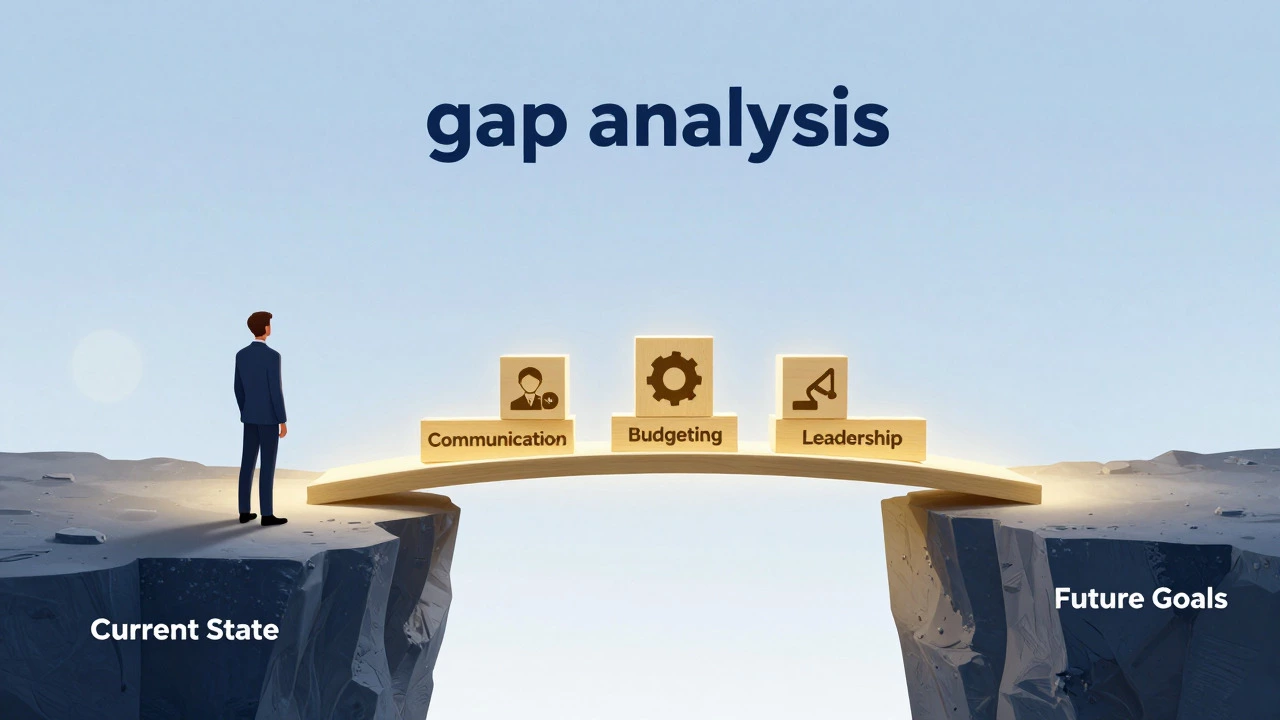
- Gap Analysis: What skills, knowledge, or experiences are missing between your current state and your goals?
- Action Steps: Specific activities you will undertake to close those gaps (courses, mentorship, projects).
- Timeline and Review Dates: When will you complete each step? When will you check your progress?
Missing any one of these components makes the plan fragile. For example, if you have goals but no timeline, they never happen. If you have actions but no gap analysis, you might be working hard on the wrong things.
A Real-World Example: Sarah’s Journey to Project Management
To make this concrete, let’s look at a fictional but realistic scenario. Meet Sarah. She is a junior marketing coordinator who wants to move into project management within the next two years. Here is how her personal development plan looks.
| Component | Details |
|---|---|
| Current Role | Junior Marketing Coordinator |
| Target Role | Project Manager (within 24 months) |
| Strengths | Excellent communication, creative thinking, proficient in social media tools. |
| Weaknesses / Gaps | Lack of formal project management methodology knowledge, limited experience with budgeting, poor delegation skills. |
| Goal 1 | Obtain PMP certification by Q4 2026. |
| Action Step 1 | Enroll in online PMP prep course; study 5 hours per week starting August 2026. |
| Goal 2 | Lead a cross-functional team project by Q2 2027. |
| Action Step 2 | Volunteer to coordinate the upcoming product launch campaign; request feedback from senior PM monthly. |
| Goal 3 | Improve budgeting skills. |
| Action Step 3 | Take a short course on financial literacy for non-financial managers by December 2026. |
| Review Date | Every 3 months with manager. |
Notice how specific Sarah’s plan is. She doesn’t just say "get better at managing." She identifies the exact certification she needs, the specific project she will lead, and the frequency of her reviews. This level of detail turns ambition into action.
How to Conduct a Gap Analysis
The most critical part of creating your own plan is the gap analysis. This is where you honestly assess what you lack. Many people skip this step because it feels uncomfortable. Admitting you don’t know something is hard. But without it, your plan is blind.
Start by looking at the job description of your dream role. List every required skill and qualification. Then, rate yourself on each one from 1 to 5. Any score below a 4 is a gap. These gaps become your learning objectives.
For example, if the job requires proficiency in data analytics and you rate yourself a 2, your action step might be to take a SQL course. If it requires public speaking and you rate yourself a 3, your action step might be to join Toastmasters. This method ensures your development efforts are directly tied to market demands.
Setting SMART Goals for Your PDP
Vague goals kill progress. "Learn more about leadership" is useless. How much more? By when? How will you measure it? This is where the SMART framework comes in. Every goal in your personal development plan should be:
- Specific: Clearly defined.
- Measurable: Quantifiable outcomes.
- Achievable: Realistic given your resources.
- Relevant: Aligned with your broader career objectives.
- Time-bound: Has a deadline.
Let’s transform a bad goal into a SMART one. Bad goal: "Read more industry news." SMART goal: "Read three articles from Harvard Business Review every Monday morning and summarize key takeaways in my journal by January 2027." See the difference? The second one leaves no room for ambiguity.

Common Pitfalls to Avoid
Even with a good template, many people fail to stick to their plans. Here are the most common traps:
- Overloading: Trying to change too much at once. Pick 2-3 major goals per year. More than that leads to burnout.
- Ignoring Feedback: A PDP is not static. If an action step isn’t working, change it. Regular reviews with a mentor or manager help keep you on track.
- Focusing Only on Hard Skills: Soft skills like communication, empathy, and adaptability are often what separate good employees from great leaders. Include them in your plan.
- No Celebration: Acknowledge small wins. Completing a course or leading a meeting successfully deserves recognition. It fuels motivation.
Another mistake is treating the PDP as a one-time event. It should be a living document. Update it quarterly. Life changes, markets shift, and so should your plan.
Tools and Resources to Support Your Plan
You don’t need expensive software to create a PDP. A simple spreadsheet or even a notebook works fine. However, certain tools can enhance the process:
- Learning Platforms: Coursera, LinkedIn Learning, and Udemy offer thousands of courses to fill skill gaps.
- Habit Trackers: Apps like Habitica or Notion templates help you maintain daily consistency.
- Mentorship Programs: Internal company mentors or external networks provide guidance and accountability.
- Performance Software: Some HR systems allow you to log development activities alongside performance reviews.
Choose tools that fit your workflow. If you hate apps, use paper. If you love data, use spreadsheets. The best tool is the one you actually use consistently.
Integrating Your PDP with Your Career
Your personal development plan should not exist in a vacuum. Share it with your manager. Discuss it during performance reviews. Align your personal goals with your company’s strategic objectives. When your growth benefits the organization, you are more likely to get support, resources, and opportunities.
For instance, if your company is expanding into a new market, and you develop skills in international marketing, you become invaluable. This alignment creates a win-win situation. You grow, and the company succeeds.
Remember, a personal development plan is an investment in yourself. It takes time and honesty to create, but the returns are immense. Start today. Identify one gap, set one SMART goal, and take the first step. Your future self will thank you.
How often should I review my personal development plan?
You should review your PDP at least every three months. Quarterly reviews allow you to adjust to changes in your role, industry trends, or personal circumstances. Annual reviews are also essential for long-term strategy adjustments.
Can a personal development plan help me get promoted?
Yes, absolutely. A well-executed PDP demonstrates proactivity, self-awareness, and commitment to growth. Managers value employees who take ownership of their development. Documenting your progress provides concrete evidence for promotion discussions.
What if I don’t know what my next career step is?
Start with skill exploration rather than role definition. Identify interests and strengths, then research roles that utilize them. Informational interviews with professionals in different fields can help clarify options. Your PDP can include exploratory goals like "attend three networking events in Q1."
Is a personal development plan only for professionals?
No. While often used in corporate settings, PDPs are valuable for anyone seeking growth. Students, freelancers, and entrepreneurs can use them to structure learning, build portfolios, and achieve personal milestones outside of traditional employment.
How do I measure soft skills in a PDP?
Soft skills are harder to quantify but can be measured through feedback and behavioral indicators. Use 360-degree feedback surveys, track instances of successful conflict resolution, or count times you facilitated team collaboration. Set goals like "receive positive feedback on communication in next performance review."