YHWH: Who Is This Divine Name and Why Does It Matter in Books and Belief?
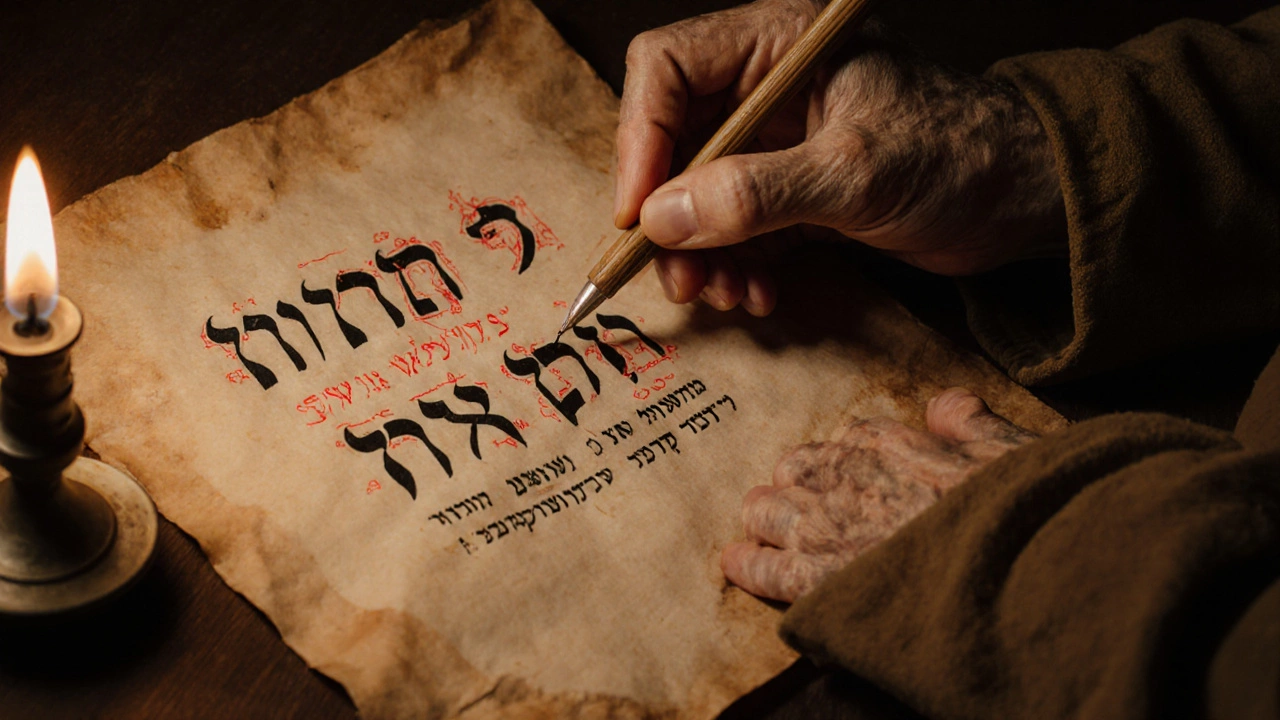
When you see YHWH, the four-letter Hebrew name for God in the Old Testament, often rendered as Jehovah or Yahweh. Also known as the Tetragrammaton, it is not just a label—it’s a declaration of presence, power, and mystery that echoes through centuries of religious texts, poetry, and fiction. Unlike generic terms like "God" or "Lord," YHWH carries weight. It’s the name God gives to Moses at the burning bush: "I AM WHO I AM." That’s not a title. It’s an identity. And it’s this identity that writers, theologians, and readers keep coming back to—whether they’re writing about ancient Israel, modern doubt, or speculative worlds where divine names hold real magic.
YHWH shows up in books not just as a theological concept, but as a narrative force. In historical fiction, it’s the unseen hand behind Exodus, the silence after a prophet’s warning, the tension in a character’s prayer. In dark romance, it’s the ghost of faith haunting a broken soul. In psychological thrillers, it’s the voice a character claims to hear—real or imagined. Even in books that don’t mention religion directly, the weight of YHWH lingers in themes of justice, redemption, and silence. You’ll find it in the quiet moments where characters face moral choices, in the way authors use capitalization to hint at something beyond human control. It’s not always named outright, but its presence shapes the tone, the stakes, the meaning.
And it’s not just about religion. YHWH appears in literary analysis, cultural studies, and even debates about language itself. Why do some translators replace it with "LORD"? Why do others insist on "Yahweh"? What happens when a novel uses YHWH as a character’s inner voice—or as a symbol of lost belief? These aren’t just academic questions. They’re human ones. People read books to understand where meaning comes from. YHWH, in all its mystery, is one of the oldest and most persistent answers humanity has tried to grasp.
Below, you’ll find posts that touch on this name indirectly—through stories of faith, identity, and the search for truth. Some dive into how sacred texts influence modern storytelling. Others explore how people wrestle with belief in a world that rarely speaks the old names. Whether you’re drawn to the poetry of ancient scripture, the psychology of doubt, or the power of a name that refuses to be fully spoken—you’ll find something here that speaks to the silence between the words.
What Is the Real Name of God? Historical Insights and Mythic Roots
Explore the true name of God, from YHWH to Yahweh, and see how ancient religions treated sacred names in history and fiction.