Twilight: What Makes This Vampire Romance a Cultural Phenomenon
When Twilight, the first book in Stephenie Meyer’s vampire romance series that ignited a global reading craze in the mid-2000s. Also known as the original YA vampire saga, it didn’t just sell books—it changed how publishers saw teen readers and how audiences connected with romantic fantasy. Before Twilight, vampire stories were mostly dark, gritty, or horror-focused. This one turned love into a supernatural contract, where the hero didn’t hunt humans—he fought his own hunger to protect them. That quiet, intense chemistry between Bella and Edward became the blueprint for a generation of romance novels.
Twilight didn’t exist in a vacuum. It rode the wave of young adult fiction, a genre that exploded after Harry Potter, targeting teens but secretly loved by adults. Also known as YA, it gave space to emotional intensity, first love, and identity struggles—all wrapped in fantasy. And it wasn’t alone. Around the same time, books like The Host and later Divergent followed its formula: relatable heroine, brooding love interest, high-stakes world. But Twilight was the spark. It turned book clubs into fan events, made prom night costumes look like vampire capes, and proved that a slow-burn romance could outsell action thrillers.
The backlash was loud—critics called it melodramatic, unrealistic, even problematic. But that didn’t stop millions of readers, mostly women under 25, from buying every copy they could find. It wasn’t about perfect characters. It was about feeling seen. For many, Bella’s awkwardness, her longing, her choice to love someone dangerous, mirrored their own hidden fears and desires. And that’s why it stuck. Even now, when you see a romance novel with a moody supernatural guy and a girl who doesn’t need saving—just understanding—you’re seeing Twilight’s shadow.
Today, the genre has moved on. Modern romance leans into diversity, consent, and emotional realism. But Twilight didn’t disappear. It paved the way. The books below explore what came after it: the rise of romance novels that ditched the vampire trope for something deeper, the psychology behind why we fall for forbidden love stories, and how a single series changed the entire publishing landscape. You’ll find interviews with authors who grew up reading it, breakdowns of its most copied tropes, and even the surprising link between Twilight and today’s most talked-about love stories. This isn’t just about vampires. It’s about what we were hungry for—and still are.
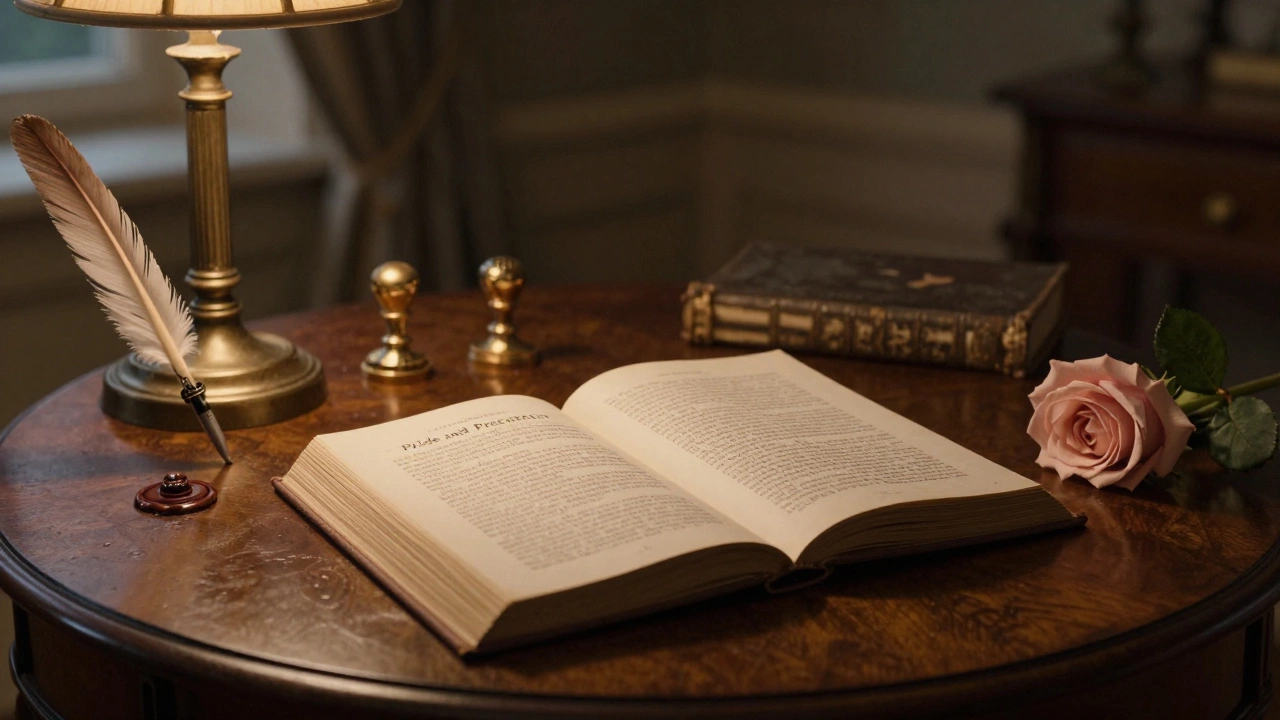
What Is the Most Sold Romance Book of All Time?
The most sold romance book of all time is Jane Austen's Pride and Prejudice, with over 20 million copies sold. Despite modern blockbusters like Twilight and 50 Shades, this 1813 novel remains unmatched in lasting sales and cultural impact.