Target Audience: Who Really Reads the Books You Love
When we talk about target audience, the specific group of readers a book is written for or expected to attract. Also known as reader demographic, it’s not just about age or gender—it’s about what someone is looking for when they open a book. Most publishers assume they know who this is. But the truth? The people buying romance novels aren’t just women in their 30s. The ones reading YA aren’t teens. And the fans of dark romance? They’re not all looking for steam—they’re looking for truth.
Take Young Adult fiction, a genre marketed to teens but overwhelmingly read by adults. Also known as YA, it’s become a cultural mirror for adults seeking simpler emotions, clearer stakes, and characters who still believe in change. Meanwhile, romance novel audience, the group drawn to love stories across all subgenres. Also known as romance readers, they’re not just chasing happily-ever-afters—they’re chasing emotional honesty, diverse identities, and slow-burn connections that feel real. Even historical fiction readers, those who pick up stories set in the past to understand the present. Also known as history-loving readers, they’re not history buffs in tweed jackets—they’re everyday people using the past to make sense of power, trauma, and identity today. And then there’s dark romance readers, those drawn to morally complex relationships where love and danger blur. Also known as anti-hero romance fans, they’re not looking for fantasy—they’re looking for raw, unfiltered emotional risk.
The old labels don’t fit anymore. A 50-year-old man might be the biggest fan of a queer YA novel. A 22-year-old woman might prefer gritty historical fiction over modern thrillers. The target audience isn’t a box you check—it’s a living, shifting group of people who read for connection, not category. What you thought was a teen book might be someone’s lifeline. What you assumed was just escapism might be the only place they feel seen.
That’s why the posts below don’t just list books—they reveal the people behind them. You’ll find out who’s really reading Dune, why adults are obsessed with Fourth Wing, and how Nora Roberts’ fans span generations. You’ll learn why historical fiction isn’t for the past, why dark romance isn’t just about sex, and how the quietest readers are the ones changing the game. This isn’t about guessing who should read what. It’s about seeing who actually does—and why it matters.
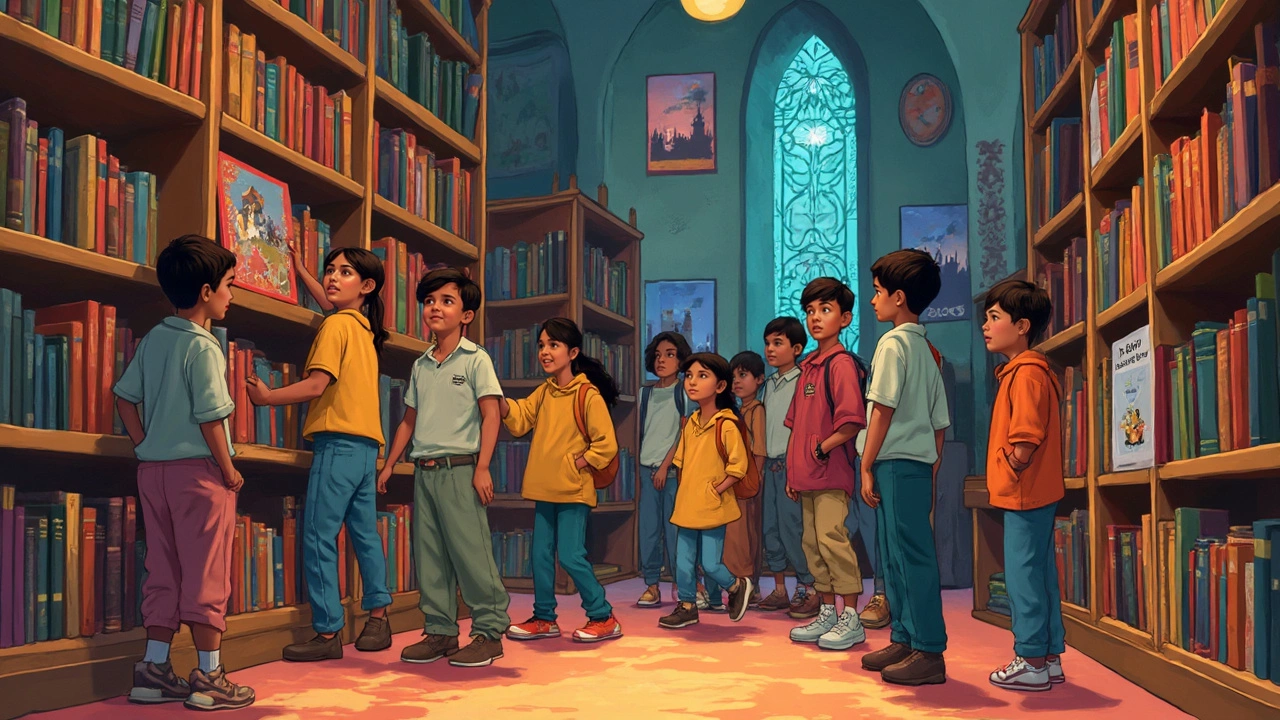
Is Harry Potter a Children's Book or YA? Breaking Down the Audience Debate
People love to argue about whether Harry Potter belongs on the children's shelf or the YA (young adult) shelf. The book series starts light and gets darker and deeper as it goes on, so where does it actually fit? This article tackles why the age debate matters, walks you through the changes in themes and style through each book, and explains what publishers and libraries do with the series. By the end, you’ll know what makes Harry Potter so hard to pin down and how that affects what you choose for yourself or the young readers in your life.