Screen Time Effects: How Digital Use Changes Your Brain, Sleep, and Relationships
When we talk about screen time effects, the measurable changes in behavior, cognition, and health caused by prolonged use of digital screens. Also known as digital device impact, it's not just about how many hours you spend on your phone—it's about what those hours do to your attention span, your sleep, and even how you connect with people around you.
These effects aren't the same for everyone. For kids, too much screen time can slow down language development and reduce face-to-face social play. For adults, it often means worse sleep because blue light tricks the brain into thinking it's still daytime. Studies show that people who scroll right before bed take longer to fall asleep and get less deep rest. And it’s not just sleep—constant notifications rewire how your brain handles focus. You start expecting quick rewards, making deep reading or long conversations feel harder. This isn’t about being weak or lazy—it’s biology responding to a new environment.
Screen time effects also show up in relationships. Couples report feeling more distant when one partner is always on their phone during meals or conversations. Parents notice kids asking for attention less often—not because they’re independent, but because they’ve learned that screens respond faster than people. And it’s not just personal. Schools, workplaces, and even healthcare systems are starting to see how screen habits affect learning, productivity, and mental health. The rise in anxiety and depression among teens doesn’t happen in a vacuum—it lines up closely with when smartphones became normal.
What you’ll find here isn’t another scare story about screens being evil. It’s real talk about what happens when your eyes are glued to a glowing rectangle for hours a day. You’ll see how screen time affects children differently than adults, why some people feel drained after scrolling while others feel fine, and what small changes actually make a difference. We’ll look at what the data says about sleep, attention, mood, and even eye strain—not myths, not opinions, but patterns from real studies and lived experience. And you’ll see how these effects connect to the books people are reading now: stories about focus, distraction, identity, and what it means to be human in a world that never stops pinging.
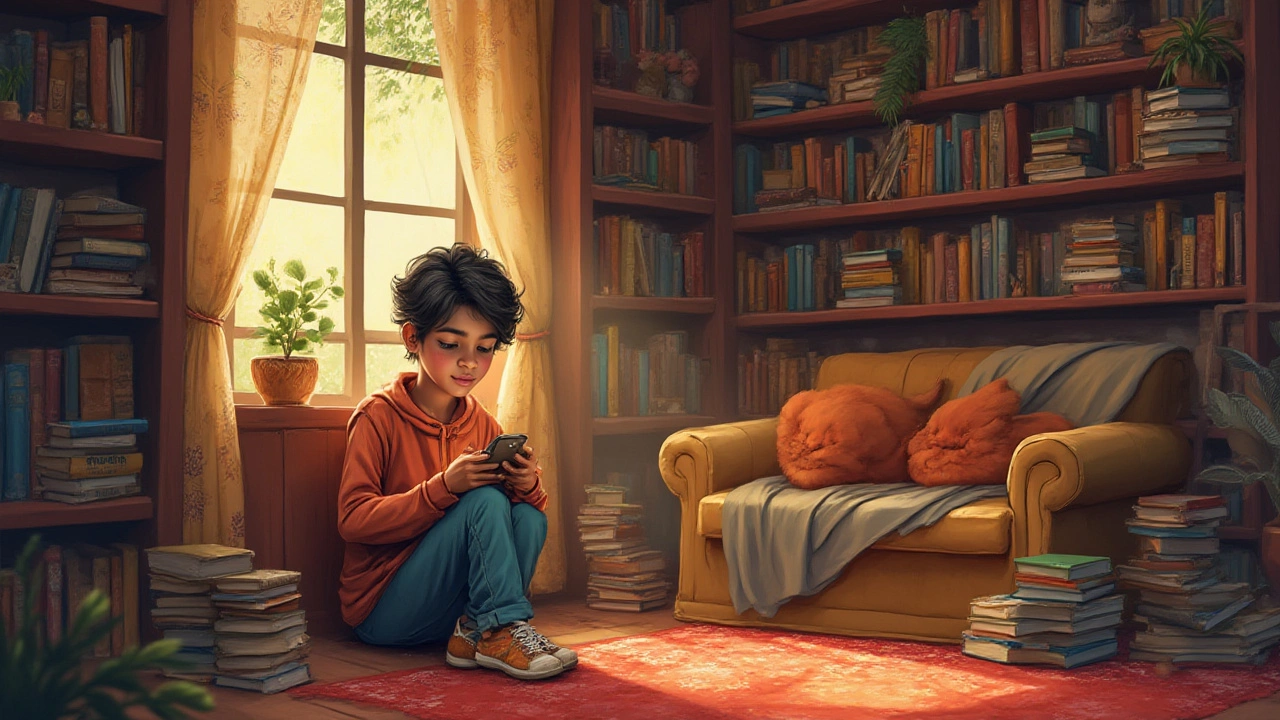
Why Is Reading Losing Popularity? Key Reasons and Surprising Facts
Explore why reading is falling out of favor. Uncover screen distractions, shifting habits, and what it means for books, with insightful facts and practical tips.