Literacy Rates: What They Really Mean and How Reading Changes Lives
When we talk about literacy rates, the percentage of people who can read and write at a basic level. Also known as reading proficiency, it’s not just a number on a government report—it’s the difference between someone being able to read a medicine label, fill out a job application, or understand their rights. In India, official literacy rates often hover around 77%, but that number hides a deeper truth: millions can sign their name but still struggle to read a paragraph. Real literacy isn’t about checking a box—it’s about confidence, control, and connection.
That’s why phonics instruction, a method of teaching reading by connecting sounds with letters. Also known as sound-based reading, it’s one of the most effective tools we have. Studies show kids who learn phonics early don’t just read faster—they read better, understand more, and keep reading longer. But here’s the problem: phonics isn’t taught the same way everywhere. In some schools, it’s the backbone of learning. In others, it’s an afterthought. And that gap? It shows up years later in adult literacy, job opportunities, and even mental health. Then there’s early literacy, the foundation of reading skills built before formal schooling. Also known as pre-reading development, it includes everything from hearing stories as a toddler to recognizing letters on a cereal box. It’s not about flashcards or apps—it’s about daily moments: a parent pointing at words, a grandparent reading aloud, a child asking what a word means. These small acts build brains that crave more.
And it’s not just kids. Adults who missed out on strong reading skills often feel stuck—unable to help their kids with homework, embarrassed to ask for help at the doctor’s office, or too intimidated to even pick up a book. But reading doesn’t have to be about school. It’s about power. The person who reads can navigate bureaucracy, find better jobs, understand health advice, and make smarter choices. That’s why the best literacy programs don’t just teach words—they rebuild identity. They show people that they’re not behind. They’re just waiting for the right chance.
What you’ll find here isn’t a dry list of statistics. It’s real stories, real data, and real solutions—like why literacy rates in rural India differ from cities, how books like those in the Young Adult Fiction category are helping teens stay engaged, and why the same phonics instruction that works for a six-year-old in Kerala can help a 45-year-old in Bihar relearn how to read. These aren’t abstract ideas. They’re tools. And they’re working—for people who got left behind, and for those who never had a chance to start.
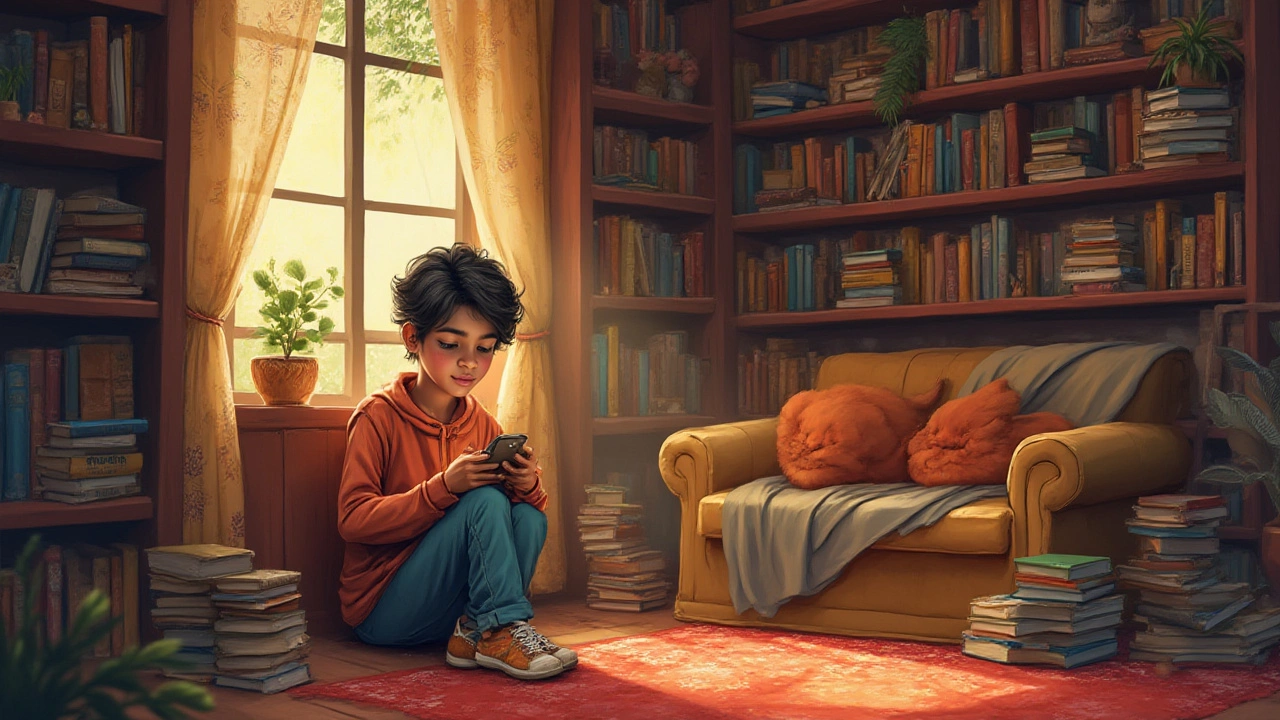
Why Is Reading Losing Popularity? Key Reasons and Surprising Facts
Explore why reading is falling out of favor. Uncover screen distractions, shifting habits, and what it means for books, with insightful facts and practical tips.