History and Storytelling: How True Events Shape the Books We Love
When you read a book that feels like it could have happened—because it did happen—you’re experiencing the power of history and storytelling, the fusion of real events with narrative structure to create meaning, emotion, and memory. Also known as narrative history, it’s not just about dates and names—it’s about why people acted, what they feared, and how they loved amid chaos. This isn’t just for academics. It’s for anyone who’s ever cried over a character in a novel, only to later find out they were real.
Stories rooted in history don’t need magic to be gripping. They use truth as their foundation. Take historical fiction, a genre where real people, places, and events are woven into imagined scenes to bring the past alive. It’s not about rewriting history—it’s about filling the gaps where records are silent. Who was the soldier behind the letter? What did the queen whisper before her fall? Writers dig through archives, letters, and diaries to answer those questions, then let imagination do the rest. But there’s a line: too much fiction turns it into fantasy; too little makes it dry. The best books walk that tightrope. That’s why historical accuracy, the careful use of verified facts to ground fictional narratives matters. Readers notice when a character uses a word that didn’t exist yet, or when a dress style is off by twenty years. Those mistakes break the spell.
And it’s not just about getting the details right. It’s about understanding why history repeats itself in stories. People still read about wars, revolutions, and forbidden love because those themes haven’t changed. What changed is who gets to tell the story. Today, we’re seeing more voices from colonized nations, women erased from records, and ordinary people caught in extraordinary times. That’s the real shift—not just new books, but new truths being told.
That’s what you’ll find in the posts below. From how much of historical fiction is actually true, to why some novels get the past wrong, and how real events inspire today’s biggest reads. You’ll learn how to spot a well-researched book, why some stories stick with us for decades, and what makes a historical tale feel more real than a news report. These aren’t just book reviews—they’re maps to the hidden layers behind every page.
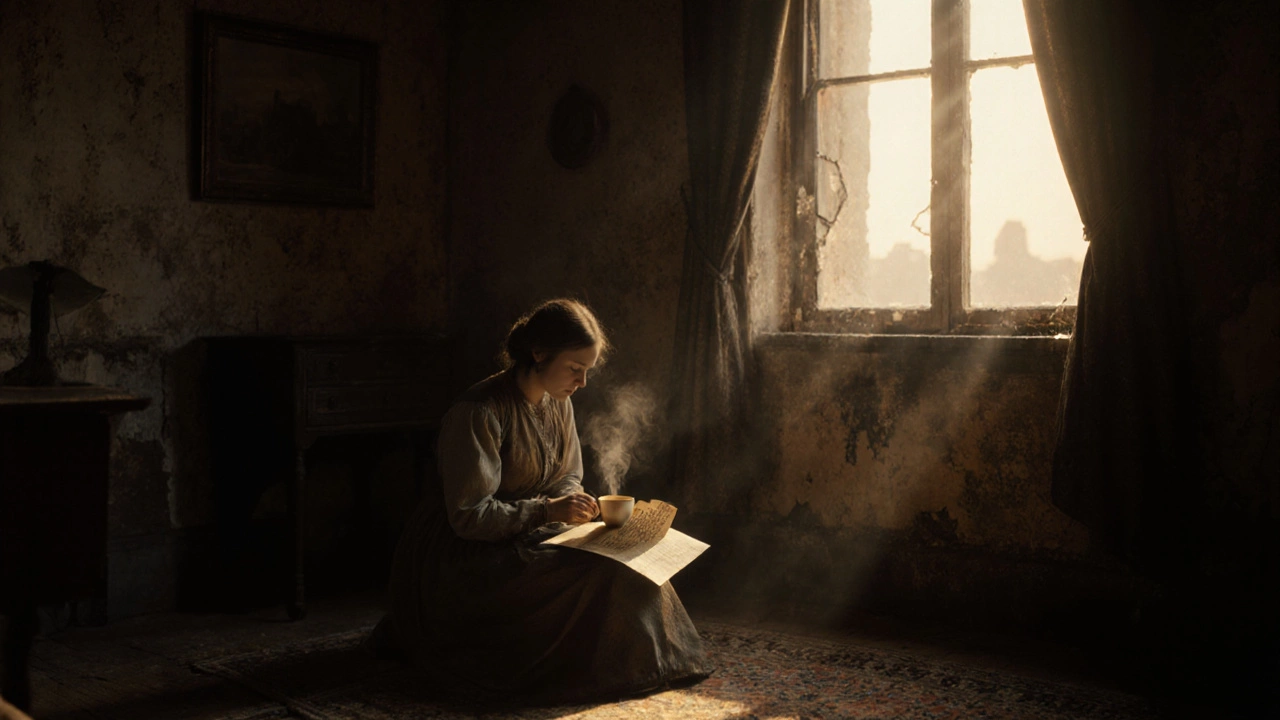
What Is the Point of Historical Fiction? Why We Read Stories Set in the Past
Historical fiction doesn't just retell the past-it makes us feel it. Learn why these stories matter more than ever, how they build empathy, challenge power, and help us understand ourselves today.