Historical Fantasy: Where Real History Meets Magic
When you read a story set in 16th-century France where witches secretly run the courts, or Ming Dynasty China where emperors ride winged tigers, you’re not reading pure history—you’re reading historical fantasy, a genre that blends real historical settings with supernatural elements like magic, mythical creatures, or alternate timelines. Also known as fantasy with historical roots, it’s not about rewriting history—it’s about asking what if the hidden forces behind it were real.
Unlike historical fiction, a genre focused on accurate portrayals of past events, people, and cultures, historical fantasy doesn’t worry about strict accuracy. It uses the past as a stage, not a textbook. Think of it like this: historical fiction tells you how people lived. Historical fantasy tells you what they believed—deep down—that something else was pulling the strings. And that’s why it works. People in the past didn’t have our science. They had myths, omens, and gods. Historical fantasy takes those beliefs and makes them real. It’s not about dragons in castles—it’s about why a medieval queen would trust a soothsayer over her council. It’s about the magic people swore they saw, even if no one else could.
It’s also closely tied to alternate history, a subgenre where small changes in the past create wildly different present-day worlds. But here’s the difference: alternate history asks, "What if the Nazis won?" Historical fantasy asks, "What if the witches helped them win?" The magic isn’t just decoration—it’s the reason things turned out the way they did. That’s why readers of historical fantasy aren’t just looking for adventure. They’re looking for meaning. They want to feel the weight of the past, but with a twist that makes it feel alive again.
You’ll find this in the posts below—stories where the Battle of Hastings had secret spellcasters, where samurai fought ghost armies, where the Black Death was no accident but a curse. These aren’t just books. They’re doorways. And each one lets you walk through a version of history that never happened… but somehow feels more true than the textbooks ever did.
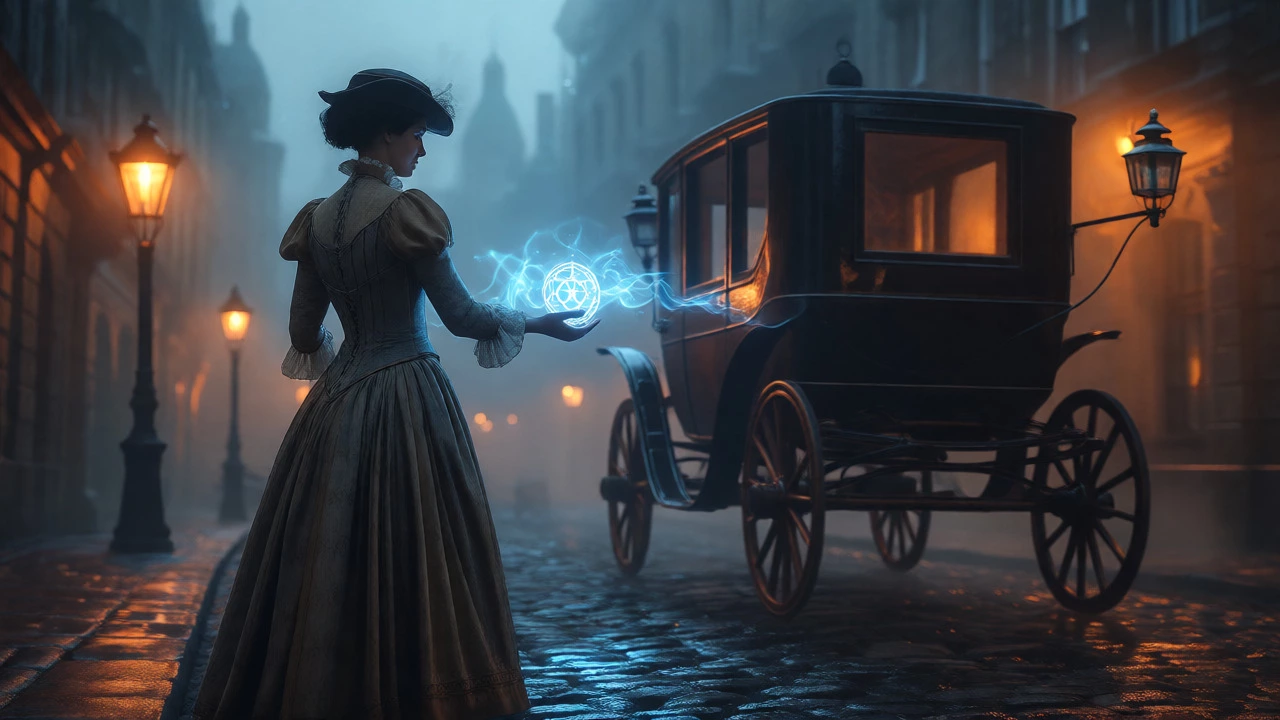
What Counts as Historical Fantasy? Defining the Genre
Confused about what makes a book historical fantasy? We break down the genre's boundaries, distinguishing it from alternate history and urban fantasy. Learn how magic interacts with real-world timelines and discover examples from Jonathan Strange to Naomi Novik.
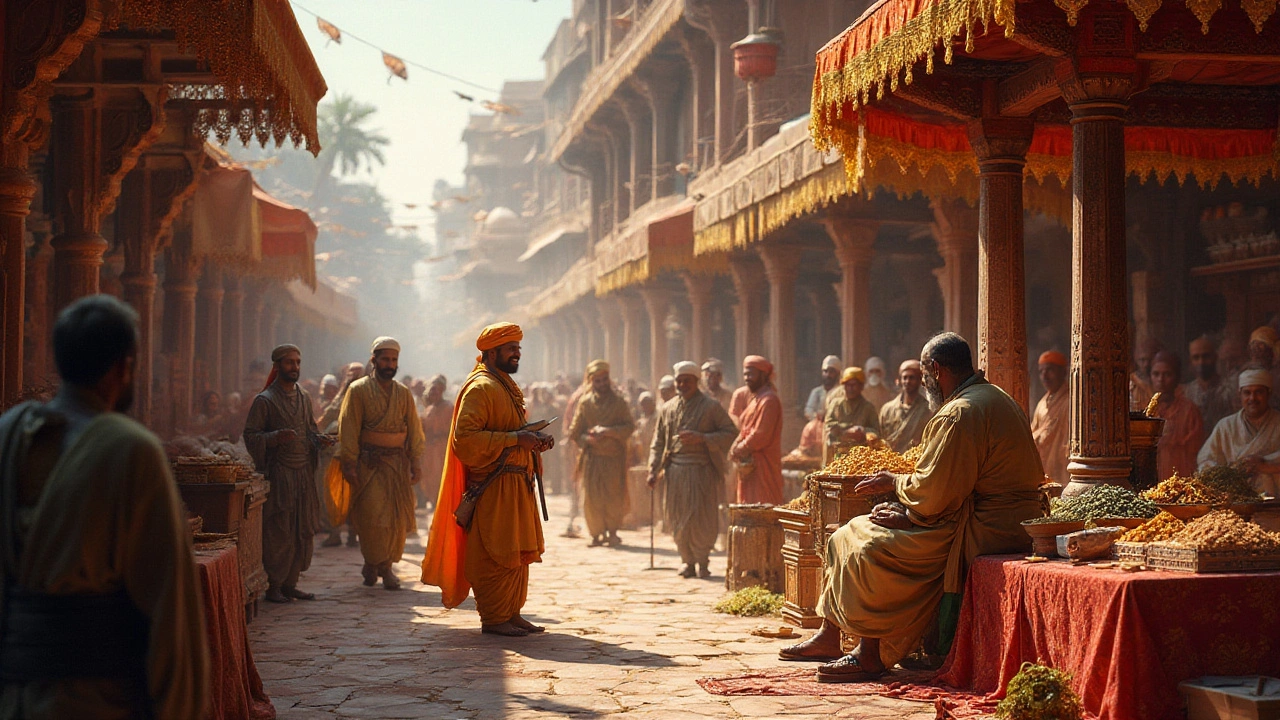
Historical Fiction vs. Fantasy: Understanding the Key Differences
Though often overlapping, historical fiction and historical fantasy offer readers distinct experiences. Historical fiction immerses the audience in a carefully researched setting and integrates fictional narratives with real historical events. Conversely, historical fantasy combines historical settings with fantastical elements, introducing magic or mythical beings. A deep understanding of both genres allows readers to appreciate the creative nuances and narrative techniques within each.