Harry Potter: The Coming-of-Age Series That Changed Modern Fantasy
When you think of Harry Potter, a seven-book fantasy series following a young wizard’s journey from orphan to hero, written by J.K. Rowling. Also known as the Harry Potter series, it’s not just about magic wands and flying brooms—it’s one of the most influential bildungsroman stories of the last 50 years. This isn’t just a story about defeating a dark lord. It’s about learning who you are when no one’s watching, how friendship holds you together when everything falls apart, and how courage isn’t the absence of fear—it’s acting despite it.
The bildungsroman, a literary genre focused on the psychological and moral growth of the protagonist from youth to adulthood has existed since the 18th century, but Harry Potter made it global. Unlike older coming-of-age tales set in quiet villages or boarding schools with stiff collars, this one took place in a magical world where your worst enemy could be your own doubt. The series tracks Harry’s growth from a scared boy living under the stairs to a leader who chooses sacrifice over survival. Alongside him, Ron learns self-worth, Hermione fights prejudice with knowledge, and even Draco Malfoy’s arc hints at the cost of blind loyalty. This isn’t fantasy escapism—it’s emotional realism wrapped in spells.
J.K. Rowling, the British author who created the Harry Potter universe didn’t just write books—she built a cultural blueprint. Her world had rules: magic had limits, choices had consequences, and power didn’t come from bloodlines but from character. The series didn’t shy away from loss, grief, or systemic injustice—Dumbledore’s secrets, Sirius’s wrongful imprisonment, the oppression of house-elves. These weren’t side notes. They were the heart of the story. And that’s why adults still read it. Not because they’re stuck in childhood, but because the questions it asks—Who are you when no one expects anything of you? Can love be stronger than hate?—never get old.
What makes Harry Potter different from other fantasy series isn’t the dragons or the Quidditch. It’s how deeply it understands growing up. You don’t need to believe in magic to feel what Harry feels. You just need to remember what it was like to be twelve and sure the whole world was judging you. That’s why this series still shows up in college syllabi, therapy sessions, and late-night book clubs. It’s not just a story about wizards. It’s a mirror for anyone who’s ever felt out of place—and found their people anyway.
Below, you’ll find posts that dig into why Harry Potter fits the classic bildungsroman mold, how it compares to other coming-of-age stories, and what it reveals about modern readers. Whether you’re revisiting the series or reading it for the first time, these pieces will help you see it differently.
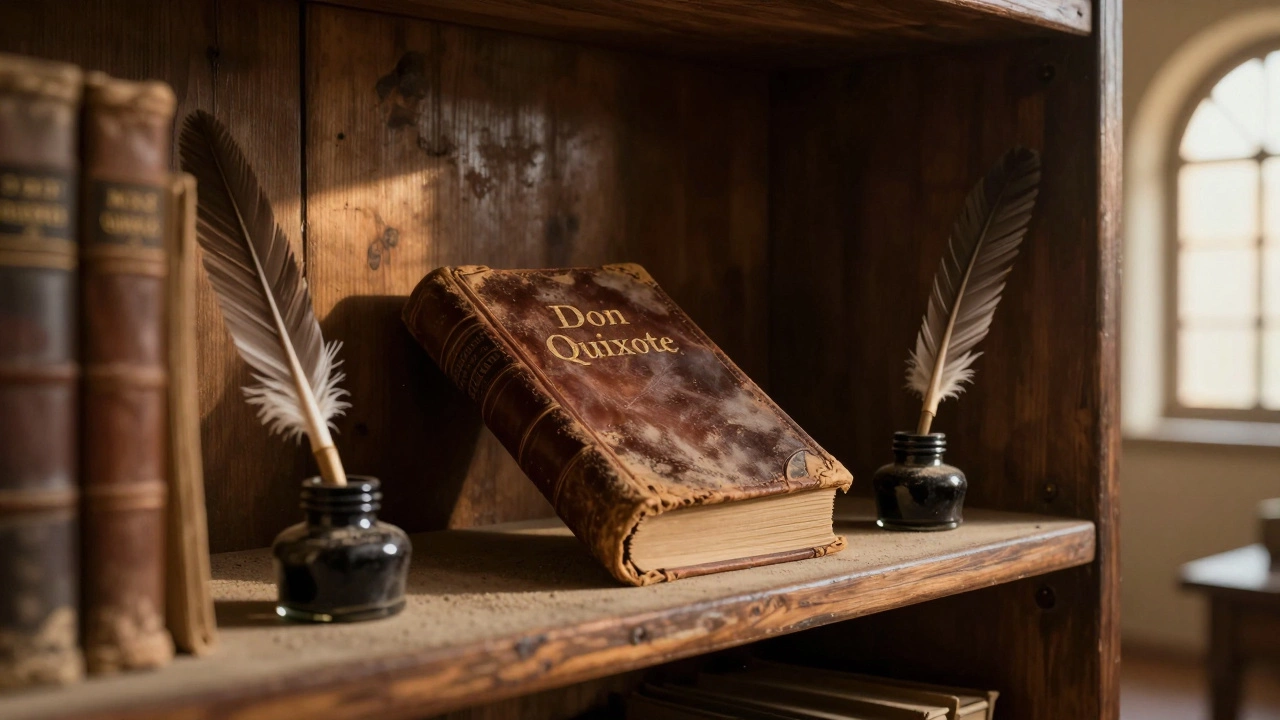
What Is Considered the Best-Selling Novel of All Time?
The best-selling novel of all time is Don Quixote, with over 500 million copies sold. More than just a classic, it pioneered modern storytelling and still resonates today.
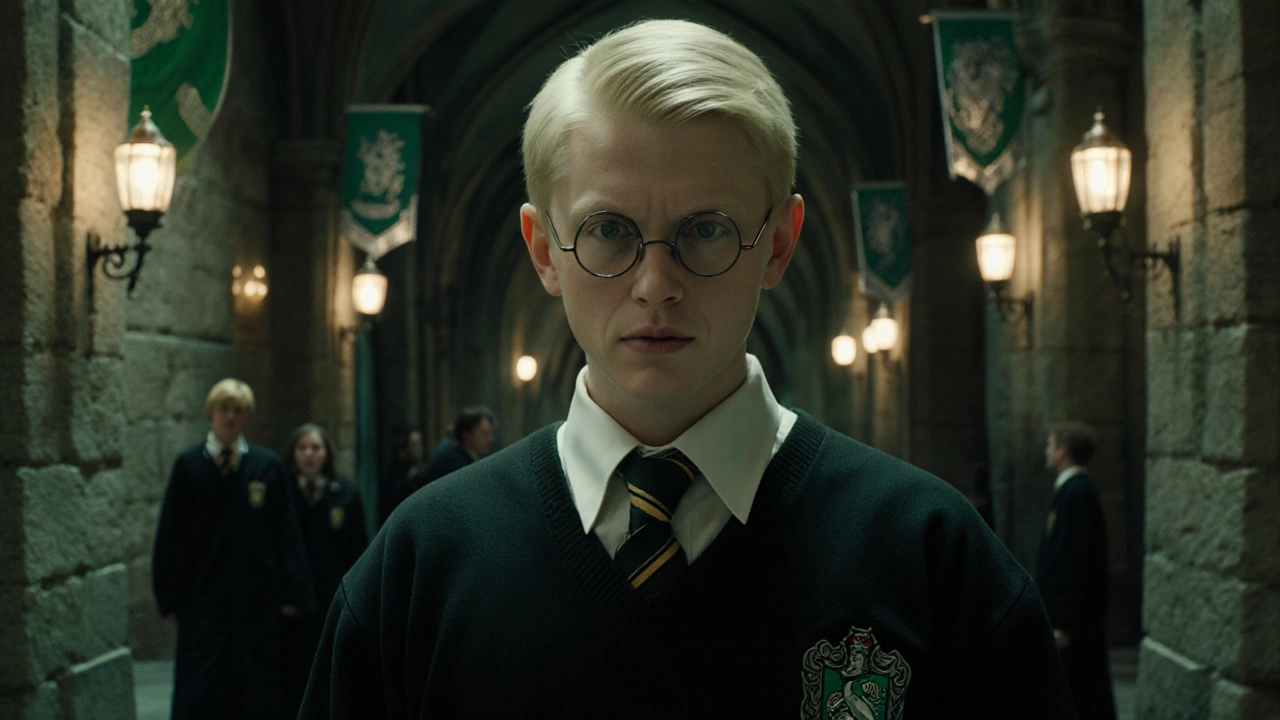
Is Draco Malfoy a Minor Character? Harry Potter Character Analysis
Explore Draco Malfoy's role in Harry Potter, measuring his screen‑time, plot impact, and character growth to determine if he truly is a minor character.
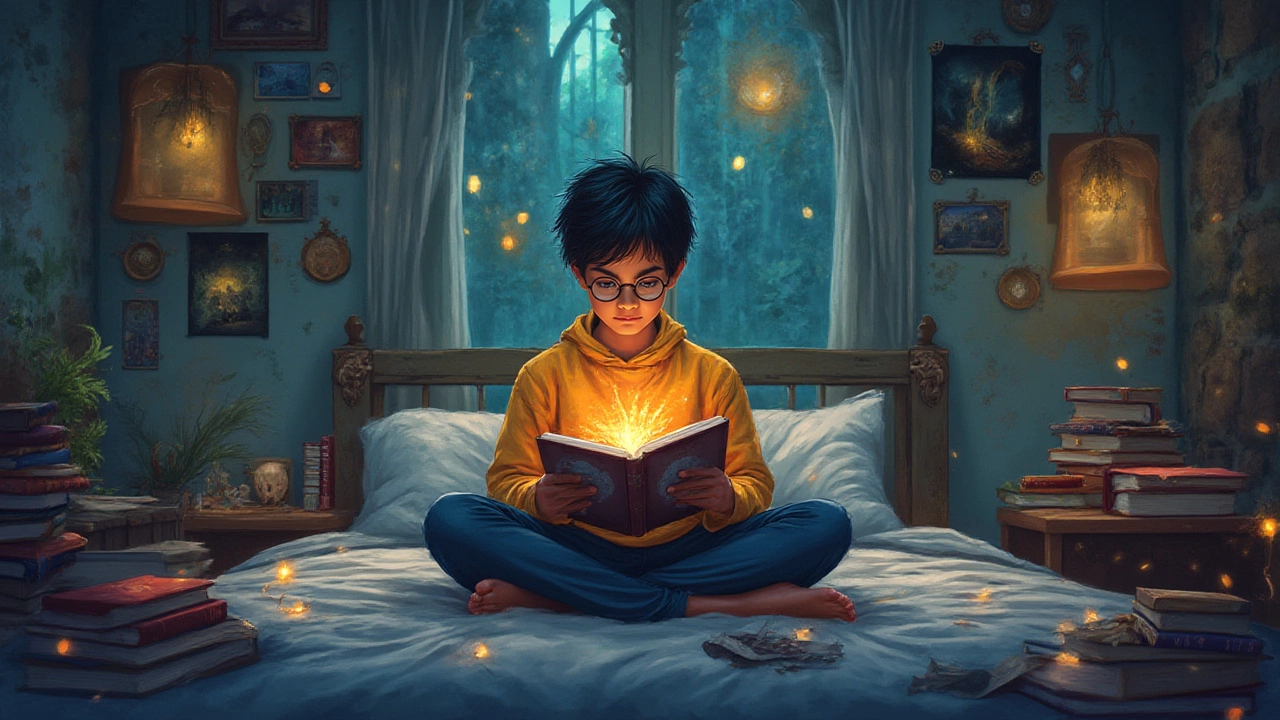
Is Harry Potter Really a Young Adult Book? Breaking Down the Magic
Is Harry Potter truly a young adult series? We dig deep into its age group, themes, marketing tricks, and reader debates—plus, what makes a book ‘YA’ at all.
First Billionaire Author: The Harry Potter Phenomenon
Curious about who became the first billionaire author? This article explores the path to that milestone and how the fantasy genre played a huge role. Learn more about the author who broke the earnings records, the factors behind their financial success, and how fantasy novels transformed publishing. Get practical tips for writers hoping to achieve something similar. Dive into facts about book sales, brand spin-offs, and more.
Is Harry Potter a Children's Book or YA? Breaking Down the Audience Debate
People love to argue about whether Harry Potter belongs on the children's shelf or the YA (young adult) shelf. The book series starts light and gets darker and deeper as it goes on, so where does it actually fit? This article tackles why the age debate matters, walks you through the changes in themes and style through each book, and explains what publishers and libraries do with the series. By the end, you’ll know what makes Harry Potter so hard to pin down and how that affects what you choose for yourself or the young readers in your life.