Fact vs Fiction: Where Truth Ends and Story Begins
When we talk about fact vs fiction, the distinction between real events and imagined stories. Also known as truth versus narrative, it's not always as clear-cut as it seems. People read historical fiction, stories set in the past that blend real events with invented characters and dialogue not to learn dates, but to feel what it was like to live through them. Think of books like Dune—a story built on advanced tech, yet driven by myth, religion, and power. Is it science fiction? Fantasy? Or something else entirely? That’s the power of fiction: it doesn’t need to be real to feel true.
Psychological thrillers, stories that twist the mind more than the plot rely on this blur. They don’t need monsters or explosions—just a character who can’t tell what’s real anymore. And romance? The best ones don’t just give you happy endings—they make you believe in love you’ve never had. Nora Roberts didn’t invent every relationship, but her stories feel more real than most people’s lives. That’s the magic. Fiction doesn’t replace fact; it helps us understand it. We read about grief in romance novels because we’ve felt it. We read about tyranny in dystopias because we fear it. We read about space empires in Dune because we wonder who really runs the world.
Why This Line Keeps Getting Blurred
Books like The Alchemist are sold as self-help, but they’re really parables. Harry Potter is a coming-of-age tale, but millions of adults read it to remember what it felt like to believe in magic. Even Fifty Shades Darker—a story many call unrealistic—resonates because it taps into real emotional patterns, even if the behavior is toxic. The line between fact and fiction isn’t a wall. It’s a mirror. We pick up books not to escape reality, but to see it more clearly.
Below, you’ll find deep dives into how authors weave truth into lies, how readers find meaning in made-up worlds, and why some stories stick with us longer than any news headline. Whether it’s the quiet power of historical fiction, the emotional truth in romance, or the unsettling blur of psychological thrillers—these aren’t just books. They’re mirrors. And they’re telling you something about yourself.
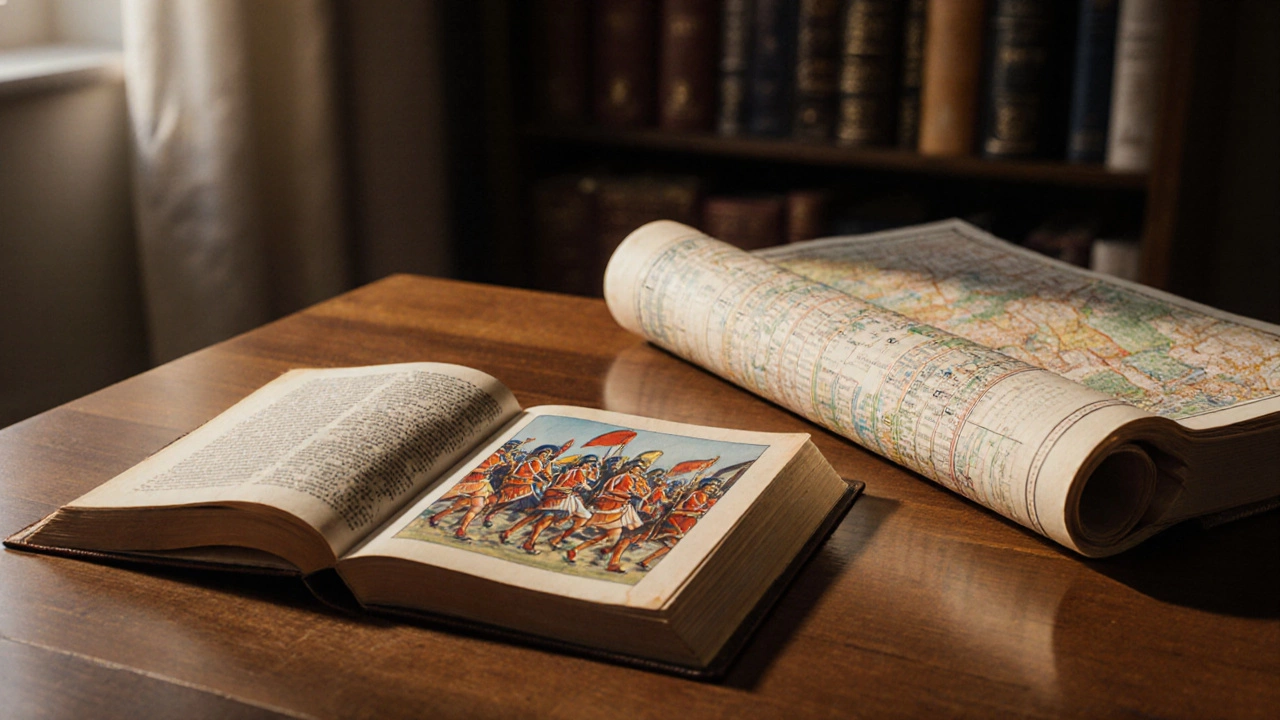
How Much of Historical Fiction Is True? Facts, Myths & How to Spot Accuracy
Explore how much truth lives in historical fiction, learn to spot factual accuracy, and get a checklist for evaluating novels that blend history with storytelling.